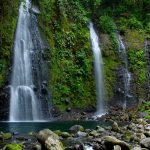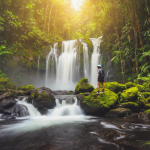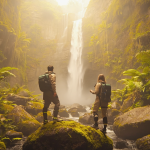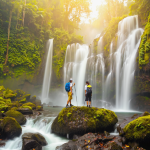
Most visitors arrive in Jacó expecting a beach day. They leave wondering why nobody told them about the rainforest waiting ten minutes inland. The Central Pacific coast of Costa Rica packs more biological diversity, more dramatic terrain, and more raw adventure into a single day than most destinations manage in a week. The challenge is never finding things to do. It’s knowing how to sequence them so you don’t spend your best daylight hours sitting in a shuttle or waiting at a trailhead.
This guide is a practical, step-by-step itinerary builder for a Jacó day trip that actually delivers. Whether you’re a cruise passenger with six hours to spare, a San José traveler looking for a weekend escape, or an international visitor based in Jacó for the week, the framework here works. You’ll find specific timing, logistics, what to pack, common mistakes that waste hours, and how to build a day around the two experiences that define this region: waterfall trekking and wildlife encounters. No vague suggestions, no filler. Just a real plan.
What Makes Jacó the Ideal Base for a Full-Day Adventure?
Jacó sits at the geographic center of Costa Rica’s Central Pacific adventure corridor, placing it within easy reach of national parks, primary rainforest, river systems, and coastal marine ecosystems. This concentration of accessible terrain is what makes the Jacó day trip format so effective. You’re not driving two hours to reach the trailhead. The trailhead is practically at your door.
The town itself is located in Puntarenas province, roughly 100 km southwest of San José via the Costanera Sur highway (Route 34) and the Autopista Próspero Fernández. That drive typically takes 90 to 110 minutes depending on traffic near the capital. For cruise passengers arriving at the port of Caldera, Jacó is only about 30 minutes by road, making it one of the most popular shore excursion destinations on Costa Rica’s Pacific coast.
What’s often underestimated is how quickly the terrain changes once you leave the beach. Within a ten to twenty minute drive inland from Jacó’s main boulevard, the landscape shifts from surf shops and sodas to dense secondary forest, river canyons, and cascading waterfalls. The Tárcolles River corridor to the north and the mountains behind the coast to the east create a concentrated adventure zone that rewards early starts and efficient planning.
Jacó’s infrastructure also matters. The town has well-maintained roads, multiple reputable tour operators, bilingual guides, and a genuine culture of outdoor adventure that has developed over decades of tourism. You’ll find equipment rental, pre-trip meals, and shuttle services all within walking distance of most hotels. For travelers who want to maximize their time in nature rather than logistics, this is as convenient as it gets in Central America.
One practical note on seasons: Costa Rica’s dry season (verano, roughly December through April) brings clear skies, lower river levels, and predictable trail conditions throughout the mountains above Jacó. The green season (invierno, May through November) intensifies the waterfalls dramatically, makes the forest more lush and alive, and coincides with peak nesting activity for many species. Neither season is wrong for a day trip; they’re simply different experiences. Plan accordingly and dress for both possibilities.
Step 1: Set Your Wake-Up Window (5:30 AM to 6:30 AM)
The single biggest mistake travelers make on a Jacó day trip is starting too late. By 10:00 AM, the most popular waterfall trails have lines. By noon, the heat peaks. By 2:00 PM, afternoon rains arrive in the green season. The entire logic of a successful day hinges on being on the trail or in the water before the crowds and weather catch up with you.
Target a wake-up between 5:30 and 6:00 AM for tours that depart at 7:00 or 7:30 AM. This isn’t hardship. Sunrise in Costa Rica during the dry season arrives around 5:45 AM, and the morning light over the coastal mountains is genuinely spectacular. You’re not waking up to suffer; you’re waking up to get first access to the best conditions of the day.
What to do in the first hour:
- Eat a real breakfast. Waterfall trekking and river hiking are physically demanding. A typical Costa Rican breakfast (gallo pinto, eggs, fruit, coffee) will serve you far better than a granola bar. Most hotels near Jacó’s center serve from 6:00 AM, and several sodas open early for exactly this market.
- Confirm your tour pickup time and location the night before. Don’t assume. Reputable operators like Costa Rica Waterfall Tours provide specific pickup windows, and being ready at the curb five minutes early prevents the scramble that throws off the whole day.
- Apply sunscreen before you leave the room. Not at the trailhead. Before. The walk from hotel to van, the drive through open terrain, and the first thirty minutes of trail are all UV exposure that accumulates before most people think to reach for the bottle.
- Pack your bag the night before. This sounds obvious. It prevents the 6:50 AM panic of searching for your water sandals.
Common mistake to avoid: Booking two separate tours with different operators on the same day without confirming they don’t overlap. Many travelers book a morning waterfall tour and an afternoon ATV excursion separately and discover at pickup that the timings conflict. Use a single operator who offers combined or sequential packages, or at minimum call both operators to verify the handoff window is realistic.
Estimated time for this step: 60 to 90 minutes from wake-up to van departure.
Step 2: Choose Your Waterfall Experience (7:00 AM to 10:30 AM)
Waterfall trekking is the defining experience of the Jacó region, and choosing the right tour format is the decision that shapes your entire day. The mountains behind Jacó’s coastline feed dozens of rivers and seasonal streams that drop through basalt canyon walls into pools ranging from ankle-deep to fully swimmable. The quality of your experience depends heavily on matching the terrain to your group’s fitness level and interests.
There are broadly three formats for guided waterfall tours in Costa Rica from Jacó:
Format A: Trail-Access Waterfall Hike (Best for Families and Moderate Fitness)
This is the most common format. A guide leads a group along established forest trails to one or more waterfall pools. Trail distances typically range from 1 to 4 km round trip, with elevation changes that range from gentle slopes to moderate scrambles over root systems and river rocks. Swim time at the base of the falls is included, and guides explain local flora, fauna, and geology en route. Expect to spend 2.5 to 3.5 hours total. This format works well for families with children over seven, travelers with mild mobility considerations, and anyone who wants immersive nature without extreme physical challenge.
Format B: Multi-Waterfall Trekking Circuit (Best for Active Travelers)
More demanding in distance and terrain, these tours visit two or three separate waterfalls along connected trail systems. You’re covering more ground, crossing rivers, and sometimes scrambling down canyon walls with rope assistance. The payoff is access to falls that see far fewer visitors than the roadside stops. Guides on these tours are typically trained in wilderness first aid and carry communication equipment. Budget 4 to 5 hours for this format. It suits travelers comfortable with moderate hiking who want a genuine jungle experience rather than a scenic photo stop.
Format C: Rappelling and Canyoning Waterfall Tours (Best for Thrill Seekers)
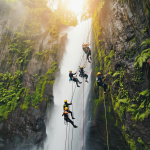
These tours combine trekking with technical elements: rappelling down waterfall faces, jumping from cliff ledges into plunge pools, and navigating canyon slots. Equipment (harnesses, helmets, ropes) is provided by the operator. This is the highest-intensity format and is most appropriate for adults in good physical condition. Minimum age and weight restrictions apply and vary by operator. If canyoning or rappelling is on your Costa Rica bucket list, the mountains behind Jacó are among the most accessible locations in the country for these activities.
Pro tip: Book waterfall tours with operators who include transportation in the package. Many of the best sites are accessed via unpaved roads that require 4WD vehicles. If you’re navigating independently, a rental vehicle rated for off-road terrain is non-negotiable. For most visitors, a guided tour handles this logistics problem automatically and is more cost-effective than renting appropriate vehicles separately.
For waterfall photography: arrive early (you already are, per Step 1), shoot in the first hour of trail access when light angles through the forest canopy, and bring a waterproof case or dry bag for your camera. The mist zone around active waterfalls is hard on electronics.
What to wear: Quick-dry shorts or athletic pants, water shoes or trail runners that can get wet, a lightweight moisture-wicking top, and a hat for forest gaps. Leave cotton behind. It holds moisture and causes chafing on longer hikes. A dry change of clothes in a sealed bag in your daypack transforms the post-swim van ride from miserable to comfortable.
Step 3: Wildlife Watching En Route (Woven Throughout the Morning)
The wildlife watching on a Jacó day trip is not a separate scheduled activity but rather a continuous thread woven through every other element of the day. The region around Jacó sits within one of the most biodiverse corridors in the Americas, and the transition zones between coastal scrub, secondary forest, and primary rainforest are exactly the edge habitats where wildlife concentrations peak.
Costa Rica is home to more than 5% of the world’s total biodiversity despite occupying just 0.03% of the planet’s land area. More than 900 bird species, 230 reptile species, and hundreds of mammal species occupy the country’s ecosystems. The Central Pacific region, specifically the area surrounding Jacó and extending toward Manuel Antonio to the south, is one of the most accessible zones for observing this biodiversity without deep backcountry travel.
What you’re likely to encounter on a morning waterfall trek from Jacó:
- White-faced capuchin monkeys: Highly visible, often moving in noisy troops through the mid-canopy. They frequently descend to river edges to drink and are completely accustomed to human presence on established trails.
- Two-toed and three-toed sloths: Harder to spot because they’re motionless and blend perfectly into cecropia tree canopies. A good guide knows where to look. This is genuinely one of the strongest arguments for using a local expert rather than self-guiding.
- Scarlet macaws: Unmistakable in flight. The population along the Central Pacific coast has recovered substantially over recent decades and morning flights between feeding trees are a reliable spectacle.
- Caimans and crocodiles: The Tárcolles River, north of Jacó, hosts one of the most accessible American crocodile viewing spots in all of Costa Rica. The bridge over the Tárcolles is a classic stop on any day trip itinerary that routes north.
- Poison dart frogs: Small, vivid, and found in the leaf litter along humid forest trails. Guides spot these routinely. They are toxic to predators but not dangerous to careful observers who don’t handle them.
- Basilisk lizards: Common along stream edges, occasionally running across water surfaces on their hind legs (earning the local nickname “Jesus Christ lizard”).
Practical wildlife watching advice: Move slowly, speak quietly, and watch the canopy edges rather than the trail surface. Most amateur wildlife watchers look straight ahead at eye level; most animals are above them in the trees or below them in the leaf litter. Your guide will signal stops. Trust those signals. A two-minute silent pause when a guide raises their fist has more wildlife payoff than thirty minutes of walking while talking.
Step 4: Mid-Morning Recovery and Fuel Stop (10:30 AM to 12:00 PM)
After three to four hours of active trekking, your body needs calories and hydration before you tackle the afternoon. This is not optional for travelers who want to sustain energy through a full day of adventure. The post-waterfall window from around 10:30 AM to noon is the ideal time to eat, rest briefly, and reframe your afternoon plan based on how the morning went.
Most guided tours return to Jacó’s main area by late morning. If your operator drops you at your hotel, you have several good options nearby:
- Local sodas (casual Costa Rican restaurants): These small family-run spots serve casados (a traditional plate of rice, beans, salad, protein, and plantains) for $6 to $10 USD. They’re almost always better value and more authentic than the beachfront tourist restaurants. Ask your guide for a recommendation; they know which spots are reliable.
- Hydration protocol: Drink more water than you think you need. The combination of tropical heat, physical exertion, and swimming (which masks sweat loss) leads to faster dehydration than most visitors expect. Electrolyte packets are worth carrying. Coconut water from street vendors is an excellent natural alternative.
- Foot care: If you’ve been hiking in wet shoes, change into dry footwear during the break. Blisters from prolonged wet-shoe hiking are the most common physical complaint on multi-activity days and are completely preventable with a dry pair of shoes in your bag.
What to do if you’re ahead of schedule: Walk Jacó’s beach. The 4 km stretch of dark volcanic sand is one of the longest continuous beach walks in Puntarenas province. The morning surf is typically active (Jacó is one of Costa Rica’s most consistent surf breaks), and watching local surfers while cooling down after a forest trek is one of those genuinely lovely transitional moments that makes a day feel full rather than rushed.
What to avoid during this window: Heavy alcohol consumption before afternoon activities. Obvious in hindsight, but the beach bar culture in Jacó is genuinely appealing after a satisfying morning outdoors, and several travelers have learned the hard way that afternoon ATV rides or river kayaking are significantly less enjoyable after two midday beers in the heat.
Step 5: Afternoon Adventure Options (12:00 PM to 4:00 PM)
The afternoon window is where you customize your Jacó day trip to match your group’s specific interests. The morning waterfall trek covers the primary experience. The afternoon is where you layer in a second activity that either contrasts with the morning (something faster-paced, ocean-based, or more social) or deepens it (a longer wildlife circuit, a second waterfall, a cultural visit).
Here’s a decision framework based on what different traveler profiles typically choose:
| Traveler Type | Best Afternoon Activity | Estimated Duration | Physical Intensity |
|---|---|---|---|
| Families with young children | Beach time, mangrove boat tour, or sea turtle conservation visit (seasonal) | 2 to 3 hours | ⚠️ Low to moderate |
| Active couples | Kayaking, stand-up paddleboarding, or horseback riding through coastal forest | 2 to 3.5 hours | ✅ Moderate |
| Thrill seekers | ATV through mountain trails, zip-line canopy tour, or white-water rafting on the Río Savegre | 3 to 4 hours | ✅ High |
| Wildlife/nature focus | Carara National Park guided walk or Tárcolles crocodile river cruise | 2 to 3 hours | ⚠️ Low to moderate |
| Cruise passengers (limited time) | Single guided waterfall tour with hotel beach drop-off, then return to port | 4 to 5 hours total | ✅ Flexible |
| Solo travelers / photographers | Second waterfall circuit or sunset ocean kayaking | 3 hours | ✅ Moderate |
Carara National Park: The Afternoon Wildlife Anchor
For travelers whose primary interest is wildlife rather than adrenaline, Carara National Park is the afternoon destination of choice. Located approximately 25 km north of Jacó on the Costanera Sur, Carara sits at the transition zone between the dry forests of Guanacaste and the humid forests of the South Pacific. This ecological convergence makes it one of the highest bird-diversity corridors in Costa Rica, and it’s the most reliable location in the country for seeing scarlet macaws in the wild.
The park is managed by SINAC (Sistema Nacional de Áreas de Conservación) and requires a formal entrance fee, which your tour operator will typically include in the package price. Self-guided entry is permitted, but the difference between walking the main trail alone and walking it with a naturalist guide who spots camouflaged species you’d otherwise walk past is substantial. Budget 2 to 2.5 hours for a meaningful visit. The main Quebrada Bonita loop trail is approximately 3.5 km and is well-maintained year-round.
Tárcolles River Crocodile Tour
The Tárcolles River mouth, just north of Carara, hosts a large population of American crocodiles. Boat tours depart regularly and last approximately 90 minutes to 2 hours, getting close enough to large crocodiles resting on the riverbanks that photography is effortless. The river also supports healthy populations of herons, kingfishers, anhingas, and various shorebirds. This is an ideal option for families with children who find slower-paced nature walks challenging but respond well to boat-based wildlife viewing.
Step 6: The Golden Hour and Sunset (4:00 PM to 6:30 PM)
Jacó’s sunsets are among the most dramatic on Costa Rica’s Pacific coast, and building them into your day adds a genuine crescendo to an already full itinerary. The combination of maritime horizon, offshore clouds, and the silhouette of the coastal mountains creates sunset conditions that consistently produce spectacular color. This is not hyperbole; the Pacific sunset from Jacó’s beach is one of the most photographed natural events in Puntarenas province.
By 4:00 PM, most active tours have wrapped. You’re back in town, changed into dry clothes, and have roughly two to three hours before dark. Here’s how to use them well:
- Walk the beach southward from Jacó’s center toward Playa Hermosa. This 8 km stretch of coastline begins just south of town and offers quieter sections of beach with fewer vendors and more space to decompress after an active day. Playa Hermosa is also a world-class surf break; the late afternoon sessions typically draw Jacó’s most experienced local surfers and are genuinely worth watching.
- Sunset from Mirador viewpoints: Several hillside lookout points above Jacó’s main beach offer elevated perspectives for sunset photography. Ask locally for current accessible routes; some are informal paths through private land that shift seasonally.
- Beachfront hammock time: Genuinely underrated as an end-of-day activity. After 6 to 8 hours of active movement, horizontal stillness while watching the sun drop into the Pacific is a legitimate form of travel satisfaction.
If you’re extending into the evening, Jacó’s food scene rewards exploration. The town has evolved considerably from its early reputation as a purely party destination. Modern Jacó has quality seafood restaurants serving ceviche and whole fish, Italian trattorias, Thai-fusion spots, and excellent traditional Costa Rican cooking at family sodas scattered between the main avenue’s tourist-facing restaurants. A post-adventure dinner featuring fresh Pacific catch is one of those experiences that makes a day feel truly complete.
Step 7: Logistics, Packing, and Pre-Trip Preparation
A well-packed bag is the foundation of a comfortable day trip. The difference between a traveler who breezes through a full day of adventure and one who suffers through the afternoon often comes down to a few small items they either brought or forgot. This checklist is specific to Jacó-region day trips and reflects the actual terrain and conditions of the Central Pacific coast.
The Jacó Day Trip Packing List
| Item | Why It Matters | Priority |
|---|---|---|
| Water shoes or trail runners | Waterfall trails involve river crossings and wet rock surfaces. Flip-flops are dangerous. | ✅ Essential |
| Dry change of clothes in a sealed bag | Post-swim comfort for the drive back and afternoon activities. | ✅ Essential |
| Reef-safe sunscreen | Required near waterways to protect aquatic ecosystems. Apply before departure. | ✅ Essential |
| 2 liters of water minimum | Tours may not have water resupply points. Don’t rely on finding it en route. | ✅ Essential |
| Insect repellent (DEET or picaridin) | Forest trails near waterways have mosquitoes, especially in the green season. | ✅ Essential |
| Lightweight rain jacket or poncho | Afternoon showers are predictable from May to November. Takes up almost no space. | ⚠️ Seasonal |
| Waterproof phone case or dry bag | Mist from waterfalls, river crossings, and rain will reach your electronics. | ✅ Essential |
| Snacks (energy bars, fruit, nuts) | Some tours run longer than scheduled. Having food avoids blood sugar crashes mid-trail. | ⚠️ Recommended |
| Small first aid kit | Blister bandages, antihistamine, antiseptic wipes. Guides carry comprehensive kits but personal basics are sensible. | ⚠️ Recommended |
| Cash in USD (small bills) | Tips for guides, roadside food stops, and park fees. USD is universally accepted alongside colones. | ✅ Essential |
Booking Logistics: What to Confirm Before You Go
Before your day trip begins, confirm these five things with your tour operator:
- Exact pickup time and hotel address confirmation. Operators serve multiple properties across Jacó. Confirm your specific pickup point, not just the general hotel name.
- What’s included in the package price. Transportation, guide fees, park entrance fees, equipment, and lunch or snacks are not universally included. Know what you’re paying for.
- Fitness and age requirements for each activity. Especially relevant for families with young children or travelers with physical limitations.
- Cancellation and weather policy. Tropical weather is unpredictable. Understand what happens if the morning tour is affected by weather and whether a rescheduled option is available.
- What the guide carries in terms of safety equipment. Reputable operators carry first aid kits, communication devices, and emergency protocols. This is worth asking about once, not repeatedly.
Day Trips from Jacó for Cruise Passengers: A Specific Framework
Cruise passengers face a fundamentally different planning challenge than hotel-based travelers. The shore excursion window is fixed, the return deadline is non-negotiable, and the logistics of port departure (Caldera) to Jacó and back must be accounted for precisely. Missing the ship’s departure is not a theoretical risk; it happens to travelers who underestimate drive times and tour overruns.
The port of Caldera is approximately 30 to 40 minutes from central Jacó depending on traffic at the port access road. Ships typically allow passengers ashore from 7:00 or 8:00 AM, with all-aboard times ranging from 3:00 PM to 5:00 PM depending on the cruise line and itinerary. This creates a practical excursion window of approximately 5 to 7 hours.
Here is the recommended structure for cruise passengers on a Jacó day trip:
- 7:00 AM: Depart port via pre-booked private transfer or tour pickup. Do NOT rely on taxis that aren’t pre-arranged. Wait times and negotiation at Caldera can consume 20 to 30 minutes you don’t have.
- 7:45 AM: Arrive Jacó area. Begin guided waterfall tour immediately. No time for a leisurely breakfast first.
- 11:00 AM to 11:30 AM: Return from waterfall. Quick stop for lunch at a roadside soda or a restaurant with fast service. Avoid sit-down restaurants with long menus during this window.
- 12:00 PM to 1:30 PM: Brief beach walk, optional souvenir shopping on Jacó’s main avenue, or a quick crocodile bridge stop on the way back toward Caldera.
- 2:00 PM: Depart Jacó for Caldera. This is the hard cutoff. Do not push past 2:00 PM if your all-aboard is 3:30 PM or earlier.
- 2:40 PM to 3:00 PM: Arrive at port with buffer time to clear security and board.
The most important rule for cruise passengers: Build in a 45-minute buffer before your all-aboard time. Unexpected road delays on the Costanera Sur near Jacó are rare but real, particularly if there’s been rain on the coastal hills. Forty-five minutes of buffer transforms a potential catastrophe into a minor inconvenience.
Day Trips from Jacó Costa Rica: Extending to Manuel Antonio and Carara
For travelers based in Jacó for multiple days, the surrounding region offers several full-day excursion options that use Jacó as a hub. These aren’t just Jacó-adjacent; they’re among the best single-day nature experiences in all of Central America.
Manuel Antonio National Park (South, Approximately 65 km)
Manuel Antonio is arguably the most famous national park in Costa Rica and for legitimate reasons. The park combines white-sand beaches with primary tropical forest and one of the highest concentrations of accessible wildlife in any protected area in the country. The drive from Jacó via the Costanera Sur takes approximately 60 to 75 minutes and passes through the growing town of Quepos, which is worth a brief stop for fresh fruit at the market.
Entry to Manuel Antonio from the Jacó area requires advance reservations for park entry, as daily visitor numbers are strictly limited by SINAC to protect the ecosystem. Book online before your trip. Guided tours that include park entry as part of a package solve this problem automatically and add the value of professional wildlife spotting throughout the trails.
A Manuel Antonio day trip from Jacó works best when you depart no later than 7:00 AM to reach the park at opening (7:00 AM) and avoid the midday crowds. The park closes at 4:00 PM (closed Tuesdays). Return to Jacó by late afternoon. This is a full-day commitment; don’t try to combine it with a morning waterfall tour unless you have exceptional energy and logistics.
Carara National Park and Tárcolles River Combination (North, 25 km)
This combination works as a half-day extension to a morning waterfall tour. Carara National Park’s main trails are accessible from Jacó in under 30 minutes. Pair a 90-minute Carara guided walk with a Tárcolles crocodile boat tour and you have a complete wildlife day that complements rather than duplicates the morning waterfall experience. Scarlet macaws, crocodiles, herons, and a dozen other species in a single morning is a genuinely compelling wildlife portfolio.
Guided Waterfall Tours Costa Rica: How to Choose the Right Operator
The quality gap between a mediocre guided waterfall tour and an exceptional one is large, and the difference is not primarily about the waterfall itself. The falls don’t change. The guide does. A skilled naturalist guide transforms a wet walk through the forest into an education in tropical ecology, local conservation history, and species identification that enriches every subsequent nature experience you have in Costa Rica.
When evaluating adventure tours in Jacó, Costa Rica, consider these five criteria:
- Guide certification and training: Look for operators whose guides are certified by the Instituto Costarricense de Turismo (ICT) and trained in wilderness first aid. This is a baseline, not a premium indicator.
- Group size limits: Smaller groups (eight or fewer) allow for better wildlife spotting, more personalized attention, and less trail impact. Tours marketed on group size limits are signaling quality.
- Ecotourism credentials: Operators holding CST (Certificación para la Sostenibilidad Turística) certification from the ICT meet a verified standard for environmental and social responsibility. This certification involves independent auditing, not self-declaration.
- Verified reviews: Look for reviews that describe specific guide interactions, specific wildlife sightings, and specific moments on the trail. Generic “great experience!” reviews tell you nothing. Reviews that say “our guide Rodrigo spotted three sloths and explained the symbiotic relationship between the cecropia tree and the Azteca ant colony” tell you something real.
- Transparent pricing and inclusions: Reputable operators quote prices that include transportation, guide fees, entrance fees, and equipment. Operators who quote low and then add fees at each step are a red flag. Get the full package price in writing before booking.
Costa Rica Waterfall Tours operates from Jacó’s Central Pacific hub and specializes in exactly this kind of immersive, expert-guided waterfall and adventure experience. Their tours are designed to accommodate a range of fitness levels and group compositions, with genuine expertise in both the natural history of the region and the logistics of getting visitors safely to the best locations. If you’re ready to stop planning and start booking, their full portfolio of adventure tours in Jacó Costa Rica is the place to start.
Waterfall Trekking Costa Rica: Safety Basics Every Visitor Should Know
Waterfall environments are genuinely beautiful and genuinely hazardous, and the same conditions that make them spectacular create specific risks that casual hikers sometimes underestimate. This section isn’t designed to frighten you; it’s designed to prepare you. Waterfall trekking in Costa Rica with a reputable operator is safe. Waterfall trekking independently without preparation is where incidents occur.
Understand these five risk categories before you go:
Slippery Rock Surfaces
The rocks immediately surrounding active waterfalls are coated with algae and mineral deposits that make them extremely slippery when wet. This applies even to rocks that appear dry because mist reaches further than visible spray. Proper water shoes with grippy rubber soles are the primary mitigation. Moving slowly and using three points of contact when scrambling on wet rock is the technique. Your guide will demonstrate appropriate footing on the approach trail; watch and follow.
Flash Flooding
River levels in tropical systems can rise rapidly following heavy rain, even when skies are clear at your location. Guides monitor weather conditions in the upper watershed (the mountains above the waterfall) and will make conservative decisions about trail access based on conditions you may not be able to observe. Trust those calls without pushback. A cancelled waterfall descent due to upstream rain is an inconvenience. A flash flood is a different category of event.
Jumping Into Pools
Plunge pools beneath waterfalls look uniform from above but often contain submerged rocks, varying depth zones, and strong hydraulic currents near the base of the falls. Your guide will indicate specific safe jumping points if jumping is permitted. Do not jump from any surface that has not been explicitly cleared by your guide. This applies regardless of what you see other visitors doing.
Sun Exposure and Heat
Forest canopy provides significant shade on trails, which can create a false sense of protection. Trail gaps, river crossings, and approach roads can involve prolonged direct sun exposure. Cumulative UV load over a full active day in the tropics is substantial. Reapply sunscreen at the midday break even if you don’t feel burned.
Dehydration
Addressed in the packing section but worth repeating here: dehydration impairs judgment and physical coordination before it manifests as thirst in hot conditions. Drink regularly throughout the morning even if you don’t feel thirsty. 2 liters is a minimum; 3 is better for high-intensity routes.
Adventure Tours Jacó Costa Rica: Building a Multi-Day Framework
For travelers spending multiple days in or near Jacó, a single day trip is just the starting point. The region supports three to five days of non-overlapping adventure activities without repeating any experience. The following framework distributes activities across a four-day stay to maximize variety and physical recovery.
| Day | Morning Activity | Afternoon Activity | Intensity Level |
|---|---|---|---|
| Day 1 | Guided waterfall trekking (primary experience) | Beach, town exploration, local dinner | Moderate |
| Day 2 | Carara National Park wildlife walk | Tárcolles crocodile river tour | Low to moderate |
| Day 3 | Full-day Manuel Antonio National Park | Beach at Manuel Antonio, return to Jacó by evening | Moderate |
| Day 4 | ATV mountain ride or zip-line canopy tour | Surf lesson or kayak on the ocean | High |
This framework deliberately places the most physically demanding day (Day 4) after three days of acclimatization and progressively builds intensity. Travelers arriving from sea level to tropical humidity often underperform on physically demanding activities in the first 24 to 48 hours; this sequence respects that biological reality.
Frequently Asked Questions About Jacó Day Trips
What is the best time of year for a Jacó day trip focused on waterfalls?
Waterfalls are active year-round but peak in volume and drama during the green season (May through November) when rainfall is highest. Trails can be muddier and rivers higher, but the falls themselves are spectacular. The dry season (December through April) offers easier trail conditions, clearer skies, and more predictable weather, but waterfall volumes are lower. Both seasons deliver genuine experiences; the choice depends on your tolerance for mud and your preference for dramatic water volume versus easier hiking.
How far is Jacó from San José, and can I do this as a day trip from the capital?
Jacó is approximately 100 km from San José via the Autopista Próspero Fernández and Route 34, typically a 90 to 110-minute drive. A day trip from San José to Jacó and back is absolutely feasible. Depart by 6:00 AM, complete a morning waterfall tour, enjoy lunch in Jacó, and return to San José by 5:00 to 6:00 PM. Several operators offer San José pickup as part of their tour package; confirm availability when booking.
Are guided waterfall tours in Costa Rica suitable for children?
Many are, with age and fitness caveats. Standard trail-access waterfall hikes are appropriate for children seven and older who are comfortable on uneven terrain and can follow safety instructions from a guide. Canyoning and rappelling tours typically have minimum age requirements of twelve to fourteen and minimum weight requirements for harness safety. Always disclose your children’s ages and comfort levels when booking so the operator can recommend the appropriate tour format.
What should I wear on a waterfall trek near Jacó?
Quick-dry athletic shorts or pants, a moisture-wicking top, water shoes or trail runners (no flip-flops), a hat, and reef-safe sunscreen. Bring a swimsuit under your clothes for swimming at the waterfall pool. Leave cotton clothing behind as it holds moisture and chafes on longer hikes. A dry change of clothes in a waterproof bag in your daypack is strongly recommended for the return journey.
Is it safe to swim at waterfalls near Jacó?
At designated swimming pools in guided tour locations, yes, with appropriate precautions. Your guide will identify safe swimming areas and flag any hazards. Never swim directly beneath a waterfall unless your guide has explicitly confirmed it is safe; the hydraulic forces at the base of active falls can be disorienting even for strong swimmers. Follow all guide instructions regarding entry and exit points.
How much do adventure tours in Jacó typically cost?
Prices vary by tour type, group size, and operator. Standard guided waterfall hikes typically range from $50 to $90 USD per person including transportation and guide. Multi-activity packages (waterfall plus one additional activity) range from $90 to $150 USD. Canyoning and rappelling tours with technical equipment typically range from $80 to $130 USD. Full-day multi-park excursions range from $80 to $180 USD depending on inclusions. Always confirm what’s included (transportation, entrance fees, equipment, lunch) before comparing prices between operators.
Do I need to speak Spanish to take a guided tour in Jacó?
No. Reputable tour operators in Jacó offer fully bilingual guides (English and Spanish) as standard. Some operators also accommodate French, German, and Portuguese-speaking groups. Confirm language availability when booking if English is not your first language.
What’s the difference between a day trip to Jacó and a day trip from Jacó?
A day trip to Jacó typically refers to travelers based in San José or arriving by cruise who spend a day in the Jacó area. A day trip from Jacó refers to travelers staying in Jacó who use it as a base to reach more distant destinations like Manuel Antonio, Carara, or the Río Savegre. Both frameworks work; the distinction matters for logistics planning, particularly transportation timing.
Can cruise passengers from Caldera do a waterfall tour and return in time?
Yes, with careful timing. The port of Caldera is 30 to 40 minutes from Jacó’s waterfall access points. A morning waterfall tour departing at 7:30 AM and returning by 11:30 AM leaves adequate time for lunch and port return by 2:00 PM (giving a 45-minute buffer before a 3:30 PM all-aboard). Pre-book a tour that includes port pickup and confirm your all-aboard time with the operator at the time of booking.
What wildlife am I most likely to see on a Jacó day trip?
White-faced capuchin monkeys, two-toed and three-toed sloths, scarlet macaws, basilisk lizards, poison dart frogs, and a wide variety of herons and forest birds are the most commonly encountered species. American crocodiles are reliably seen on the Tárcolles River. Coatis and white-tailed deer are occasionally seen on forest trails. Species visibility varies by season, time of day, and trail location; a good naturalist guide significantly increases your encounter rate.
Should I book in advance or can I arrange tours when I arrive in Jacó?
Booking in advance is strongly recommended, particularly during the dry season (December through April) when demand is highest and popular tour slots fill quickly. Walk-in availability exists but is unreliable for specific departure times. For cruise passengers, advance booking is non-negotiable because your time window is fixed and cannot accommodate tour delays caused by last-minute availability searches.
What’s the best single activity for a first-time visitor to Jacó with only half a day?
A guided waterfall tour is the definitive first-time Jacó experience. It combines the region’s signature landscape (tropical forest), its most iconic natural feature (cascading waterfalls), and its most rewarding activity format (guided nature immersion with swimming) into a single 3 to 4-hour package. If you only have half a day in the region, this is the activity that best represents what makes Jacó and the Central Pacific coast genuinely different from every other beach destination.
Key Takeaways
- Start early. A 6:00 AM wake-up and 7:30 AM tour departure is the foundation of a productive Jacó day trip. The best light, the coolest temperatures, and the emptiest trails all exist in the first three hours of the day.
- Choose your waterfall tour format based on fitness level. Trail-access hikes suit families and moderate hikers; multi-waterfall circuits suit active travelers; canyoning and rappelling formats suit thrill seekers with no physical limitations.
- Wildlife watching is woven throughout, not separate. Every drive, every trail, and every river crossing is a wildlife opportunity if you’re moving slowly and paying attention.
- Pack smart, not heavy. Water shoes, reef-safe sunscreen, 2+ liters of water, insect repellent, and a dry change of clothes cover 90% of common day trip discomforts.
- Cruise passengers need tighter logistics. Pre-book with an operator who understands port timing, build a 45-minute buffer before all-aboard, and depart Jacó no later than two hours before your deadline.
- Use a local guide. The difference between a self-guided walk and an expert naturalist guide isn’t just convenience; it’s the difference between walking through a forest and understanding one.
- Jacó’s natural assets extend in every direction. Carara National Park to the north, Manuel Antonio to the south, and the mountain watershed directly inland create a three-direction adventure radius that no other Central Pacific town can match.
Ready to stop planning and start moving? The adventure tours team at Costa Rica Waterfall Tours operates out of Jacó with deep expertise in the Central Pacific region’s waterfall and wildlife experiences. Browse their full range of guided excursions, check availability, and book your day directly at Costa Rica Waterfall Tours adventure tours. Your best day in Costa Rica is already waiting.
About the author
Costa Rica Waterfall Tours Editorial Team · Editorial Team
Book Your Guided Waterfall Adventure