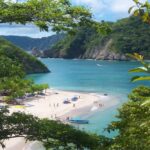
Most travelers arrive in Jacó with a rough plan: beach time, maybe a surf lesson, a cold beer at sunset. What they leave wishing they’d done is almost always something else entirely. The waterfall they almost skipped. The mangrove tour they booked last-minute. The wildlife encounter that stopped them cold on a jungle trail. Jacó has a curious reputation problem, it’s dismissed by some as a party town when it’s actually one of the most action-packed adventure staging grounds on the entire Central Pacific coast of Costa Rica. The beach is the backdrop, not the main event.
This guide ranks the top Jacó attractions not by popularity or how often they show up on generic travel blogs, but by the actual return on experience, how much they deliver relative to the time, money, and energy you invest. Whether you’re a cruise passenger with six hours at the Caldera port, a family with kids who need structure and shade, a couple chasing the kind of nature encounter that becomes a story you’ll still be telling in ten years, or a solo traveler building a genuine Costa Rica bucket list experience, this ranked breakdown is designed to help you spend your limited time on what truly matters.
The ranking logic is simple: depth of experience over convenience, authentic over staged, and transformative over transactional. A two-hour beach bar crawl scores low. A guided waterfall trek that drops you into a hidden canyon scores high. Let’s get into it.
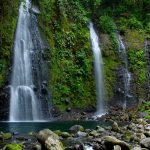
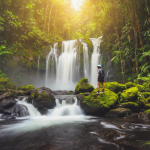
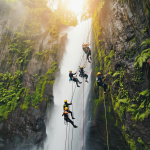
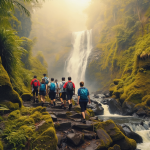
1. Guided Waterfall Tours, The Single Highest-Value Experience in the Region
If you do one thing in Jacó, this is it. Guided waterfall tours represent the clearest expression of what the Central Pacific jungle actually is, layered, alive, and completely different from what you see from the road. No other activity in the region combines ecological richness, physical engagement, photographic reward, and sheer sensory impact in the same package.
The waterfalls accessible from Jacó sit inside primary and secondary rainforest that receives intense rainfall during the green season (May through November), feeding cascades that range from gentle tiered falls to powerful multi-drop chutes. Even in the dry season (December through April), the falls run strong enough to deliver the full experience because the surrounding watershed retains moisture year-round. This is one of the most biodiverse corridors in all of Costa Rica, a country that holds roughly 5% of the world’s biodiversity despite covering less than 0.03% of the Earth’s surface.
What separates a guided waterfall tour from simply hiking to a waterfall is everything that happens along the way. A knowledgeable local guide reads the forest differently than you can on your own, pointing out poison dart frogs resting on leaf litter, identifying the call of a motmot overhead, explaining which plants the indigenous Huetar people used medicinally. The journey to the falls is half the experience, and without a guide, most visitors miss it entirely.
Why Professional Guiding Changes the Experience
Safety is the practical argument for guided tours, and it’s a real one. Trails in the Central Pacific jungle are often unmarked, can shift after heavy rain, and cross rivers that rise quickly. A licensed guide from a reputable operator understands current trail conditions, knows the safest crossing points, and carries first aid equipment designed for remote environments. But beyond safety, a local guide transforms what would be a sweaty hike into an interpretive experience that sticks with you.
Costa Rica Waterfall Tours operates guided waterfall excursions out of Jacó that are specifically designed to deliver this full-spectrum experience. Their tours are structured to accommodate a range of fitness levels, you don’t need to be an athlete to access some of the most stunning waterfall environments in the country. Booking in advance is strongly recommended, particularly during the dry season when tour slots fill quickly.
How to apply this: Book a guided waterfall tour as the anchor of your Jacó itinerary, not an afterthought. Give it a full morning. Wear quick-dry clothing, bring a dry bag for your phone, and eat a light breakfast beforehand. If you’re traveling with children, confirm the fitness level requirements with the operator before booking, most tours have family-friendly options that don’t involve strenuous scrambling.
Explore guided waterfall tour options departing from Jacó and lock in your slot before the dates disappear.
2. Mangrove Kayaking or Boat Tours, Where the Jungle Meets the Sea
Jacó sits at the confluence of two distinct ecosystems: the Pacific ocean to the west and the Tárcoles River estuary to the north. The Tárcoles and its surrounding mangrove network is one of the most ecologically significant wetland systems on Costa Rica’s Pacific coast, and exploring it by kayak or small boat is a fundamentally different experience from anything you’ll find on the beach.
Mangroves are among the most misunderstood ecosystems on the planet. They look impenetrable and murky from the outside, but once you’re inside the network of prop roots and tidal channels, they reveal themselves as nurseries for an enormous range of marine life, resting grounds for migratory birds, and hunting territory for some of Costa Rica’s most iconic reptiles. The Tárcoles River is famous for its American crocodile population, one of the densest concentrations in Central America. Seeing a 3-metre crocodile resting on a mudflat from a low-profile kayak is a very different experience from watching one through a car window on the bridge above the river.
Bird Diversity That Rivals Dedicated Birding Destinations
The mangrove estuary near Jacó draws serious birders from across the Americas because the habitat concentrates species that are otherwise difficult to observe. Roseate spoonbills, boat-billed herons, yellow-crowned night herons, and various egret species use these tidal flats regularly. Mangrove black hawks nest in the root systems. During migration season, the shorebird diversity spikes dramatically, with species stopping over on their way between North and South America.
For non-birders, the sheer abundance of wildlife visible on a two-hour mangrove tour is still deeply impressive. The combination of crocodiles, herons, kingfishers, and the occasional boa constrictor draped over a mangrove branch creates a wildlife encounter that feels genuinely wild rather than curated.
How to apply this: Schedule your mangrove tour for early morning when wildlife activity is highest and temperatures are manageable. Bring polarized sunglasses, they cut glare on the water and dramatically improve your ability to spot crocodiles and fish below the surface. Tipping your guide is standard practice in Costa Rica and deeply appreciated.
3. Surfing, The Experience That Defines Jacó’s Identity
Jacó Beach is one of the most accessible surf breaks in Costa Rica for beginners, and the town’s identity is inseparable from surfing culture. The main beach break is consistent, relatively forgiving, and supported by a dense network of surf schools that range from budget operations to professional instruction outfits. For anyone who has never surfed before, Jacó is genuinely one of the best places in the world to try it, the wave energy is manageable, the water is warm year-round (typically 27–29°C), and there are always instructors in the water.
Beyond the main beach, the Central Pacific coast near Jacó has more advanced options for experienced surfers. Playa Hermosa, just 8 km south of Jacó, is a world-class beach break that has hosted professional surfing competitions and offers powerful, fast waves that challenge even experienced riders. The contrast between these two breaks within such a short distance is one of the things that makes the Jacó area so surf-versatile.
Surf Tourism and the Seasonal Window
The green season (May through November) generally produces the best surf conditions on the Central Pacific coast. South swells from the Southern Ocean push consistent overhead-plus surf to Playa Hermosa during this period. The dry season still offers surfable conditions, particularly for beginners who benefit from the smaller, more manageable surf. Timing your visit around the swell calendar adds significant value to a surf-focused trip.
How to apply this: First-timers should book a two-hour group lesson with a certified instructor rather than renting a board independently. The instruction dramatically accelerates your learning curve and eliminates the risk of colliding with other surfers in the lineup. Intermediate surfers should rent from a reputable shop and ask locals about current conditions before paddling out at Playa Hermosa, the break can be deceptively powerful.
4. Wildlife Watching at Carara National Park, One of Costa Rica’s Most Underrated Reserves
Carara National Park sits approximately 23 km north of Jacó and represents one of the most ecologically significant protected areas on the Central Pacific coast. What makes Carara unique within Costa Rica’s national park system is its position at the transition zone between the dry forests of Guanacaste to the north and the humid tropical forests of the southern Pacific, this overlap creates a habitat mosaic that supports an exceptional diversity of species.
Carara is one of the last remaining strongholds for the scarlet macaw on the Pacific coast of Costa Rica. The park’s macaw population has recovered substantially following conservation efforts coordinated by SINAC (Sistema Nacional de Áreas de Conservación), Costa Rica’s national conservation areas authority. Watching a flock of scarlet macaws fly over the forest canopy at dusk, their red-and-blue plumage catching the last light, is one of those wildlife encounters that justifies an entire trip.
What to Expect on a Carara Visit
The park has several trail systems of varying difficulty. The Laguna Meándrica trail passes through riverine forest along the Tárcoles River and is exceptional for crocodile, caiman, and waterbird observation. The main loop trails penetrate deeper into the humid forest and are where you’re most likely to encounter monkeys (howler and white-faced capuchin), coatis, and a dense population of reptiles including basilisks and various iguana species.
A licensed naturalist guide makes an enormous difference at Carara. The park’s understory is thick, and spotting wildlife without a trained eye is genuinely difficult. Local guides know the roosting trees, the fruiting figs that attract birds, and the specific spots where animals concentrate at different times of day.
How to apply this: Arrive at the park gate at opening time (typically 07:00) to maximize wildlife activity before the heat of the day. Wear neutral colors (avoid white and bright patterns), move slowly, and keep noise to a minimum. The park charges a standard national park entry fee, and guided tours can be arranged through operators in Jacó.
5. ATV and Off-Road Jungle Exploration, For High-Energy Days
For travelers who want physical engagement with the landscape but prefer wheels to boots, ATV tours through the jungle and coastal hills around Jacó deliver a genuine rush. The terrain surrounding Jacó is dramatically hilly, the coastal mountains rise steeply behind the town, and the trails that cut through them offer sweeping views of the Pacific, dense forest canopy, and river crossings that require actual skill to navigate safely.
ATV tours typically run two to four hours and cover a mix of terrain: dirt tracks through cattle pasture, forested trails, river crossings, and ridge-top viewpoints. Some operators include a waterfall stop as part of the route, which adds ecological value to what would otherwise be a pure adrenaline activity. The combination works well for groups with mixed interests, those who want the adventure element get it, and the natural scenery provides something for everyone.
Safety Standards and What to Look For in an Operator
ATV tours carry inherent risk, and the quality difference between operators is significant. Reputable companies provide helmets, goggles, and gloves; conduct a pre-ride safety briefing; require guests to sign a liability waiver; and maintain their machines to a visible standard. Ask to see the ATVs before you commit, worn tires, loose controls, or mechanical noise are red flags.
Costa Rica’s road traffic law and adventure tourism regulations, overseen in part by the Instituto Costarricense de Turismo (ICT), require licensed operators to meet specific safety standards. Using an ICT-licensed operator provides baseline assurance that the company has met regulatory requirements.
How to apply this: Book through your hotel or a known operator rather than accepting solicitations on the street. Confirm whether the tour price includes helmets and what the minimum age policy is if you’re traveling with children. Wear closed-toe shoes and long pants regardless of the heat, the additional protection is worth it on unpaved trails.
6. Zip-Lining Through the Forest Canopy, The Aerial Perspective
Zip-lining in Costa Rica has become so ubiquitous that it risks being dismissed as a tourist checkbox, but the canopy experience around Jacó genuinely earns its place on this list. The reason is context: zip-lining in a country with 25%+ of its territory under formal protection means the forest you’re flying over is actually intact, wild, and biologically dense in a way that most canopy tours elsewhere in the world simply cannot match.
A well-run zip-line tour near Jacó will take you through multiple platforms set at different heights in the forest canopy, with cables that range from short orientation runs to longer lines that carry you 200+ metres above the forest floor. The silence between launches, when you’re standing on a platform 30 metres up and listening to the forest, is often what people remember most, more than the adrenaline of the lines themselves.
What Separates Good Zip-Line Operators from Average Ones
The equipment and the guides are everything. High-quality operators use dual-trolley systems with independent braking mechanisms, conduct regular equipment inspections, and employ guides who are trained in emergency procedures. The best tours also incorporate naturalist interpretation, stopping at platforms to identify birds, explain the structure of the canopy, and provide ecological context that transforms an adrenaline activity into an educational experience.
How to apply this: Ask specifically whether the operator holds ICT licensing and whether guides have formal naturalist training. If the price is dramatically lower than comparable operations in the area, that’s a signal worth investigating. The best zip-line experiences are worth paying a modest premium for, because the safety infrastructure and interpretive quality are where the cost difference goes.
7. Sport Fishing, World-Class Offshore Action from the Central Pacific
The waters off Jacó and the broader Central Pacific coast are among the most productive sport fishing grounds in the entire Pacific. The offshore topography, deep water canyons and seamounts relatively close to shore, concentrates pelagic species including sailfish, marlin, mahi-mahi, wahoo, and yellowfin tuna in numbers that attract serious anglers from around the world.
The dry season (December through April) is generally considered peak season for billfish in this region, with sailfish in particular reaching high concentrations. The green season shifts the target species profile somewhat, with mahi-mahi and tuna being more reliably abundant. Year-round, the fishing off Jacó is exceptional by global standards, this is not a destination that requires special timing to deliver results.
Catch-and-Release Culture and Sustainable Fishing Practices
Responsible sport fishing operators on the Central Pacific coast have embraced catch-and-release practices for billfish species, which helps maintain the population health that makes the fishery so productive. When booking a charter, ask specifically about the operator’s catch-and-release policy. Companies that prioritize conservation tend to also be more knowledgeable about finding fish, because they’re invested in the long-term health of the resource rather than just filling a cooler.
Half-day inshore trips targeting roosterfish, snapper, and jack species are an excellent option for travelers who want the fishing experience without committing to a full-day offshore charter. The inshore fishery around Jacó and Playa Herradura is genuinely productive, and roosterfish are one of the most visually dramatic and hard-fighting inshore species anywhere in the tropics.
How to apply this: Book charters directly through established marinas rather than through street vendors. Confirm what’s included in the charter price (fuel, bait, tackle, food, and drink) before signing anything. For multi-person groups, a shared charter is significantly more cost-effective than a private boat and often results in more fishing lines in the water simultaneously.
8. Horseback Riding Through the Coastal Jungle and Beach, Slow Travel Done Right
In a destination dominated by high-speed, high-adrenaline activities, horseback riding offers something genuinely different: a slow, quiet immersion in the landscape that no ATV or zip-line can replicate. Horses move at a pace that allows you to absorb the environment, the smell of the jungle, the sound of the birds, the texture of the light filtering through the canopy, without the noise and mechanical interruption of motorized alternatives.
The Central Pacific coast has terrain perfectly suited to horseback tours. Beach rides along the black sand stretches south of Jacó at sunrise or sunset are quietly spectacular. Forest rides through the hills above town reveal agricultural landscapes, small family farms, and patches of secondary forest that you’d never access on foot within the time constraints of a typical vacation day. Some operators combine a beach section with a river crossing and a forested return route, creating a varied experience within a single two-hour window.
Animal Welfare Standards and What to Look For
The quality of horseback tours varies considerably, and animal welfare is a legitimate concern worth investigating before booking. Well-run operations maintain horses in visible good health, appropriate body condition, clean hooves, well-fitted tack, and a calm demeanor. Horses that appear underweight, show sores from ill-fitting saddles, or are visibly stressed by the workload are red flags. Operators who allow their horses to rest between tours and who limit ride weight capacities to protect their animals are the ones worth supporting.
How to apply this: Book through your accommodation or a local operator with visible reviews and a physical presence. Ask to see the horses before committing. Sunrise and sunset rides are worth the early start or late scheduling, the light, the temperature, and the wildlife activity all align at those hours in ways that midday rides simply cannot match.
9. Sunset Sailing or Catamaran Tours, The Definitive Pacific Farewell
The Pacific sunsets visible from Jacó and the surrounding coast are consistently extraordinary, dramatic cloud formations, warm light that turns the ocean copper and gold, and a horizon that extends uninterrupted to the edge of the world. Watching this from a catamaran deck with the boat moving gently through the swell is one of those experiences that doesn’t require any active effort to be memorable.
Catamaran tours out of Herradura Bay (the main protected harbor north of Jacó) typically include snorkeling stops at rocky outcrops and reefs where marine life concentrates, dolphin-watching opportunities as pods follow the boat, and the sunset sail itself. The combination makes for a full afternoon and evening that covers three distinct experiences, underwater, at the surface, and above it, within a single booking.
Dolphin and Whale Encounters Along the Central Pacific Coast
The Central Pacific waters see regular dolphin activity from multiple species, including bottlenose and spotted dolphins that often bow-ride alongside sailing vessels. During the green season and into the late dry season, humpback whales pass through the region on their migration routes, sightings from catamaran tours are not guaranteed but are a genuine possibility that adds an extraordinary dimension to an already strong afternoon.
How to apply this: Book sunset catamaran tours at least a day in advance during high season, they fill quickly and operators often prioritize advance bookings. Bring a light layer for the return trip after sunset, as the breeze on the water drops the temperature noticeably. Waterproof your phone or camera for the snorkeling section.
10. Visiting Playa Hermosa and the Coastal Villages South of Jacó
The stretch of coastline south of Jacó, through Playa Hermosa, Esterillos Oeste, Esterillos Centro, and Esterillos Este, is one of the most beautiful and undervisited sections of the Central Pacific coast. These beaches are long, dark-sanded, backed by jungle, and largely free of the development density that characterizes Jacó’s main beach. The contrast in atmosphere between central Jacó and these southern coastal villages is striking, and it’s worth dedicating at least a half-day to exploring this corridor.
Playa Hermosa (the Central Pacific version, not the Guanacaste beach of the same name) is a serious surf break and a wildlife nesting site. Olive ridley sea turtles nest along this beach, with nesting activity typically concentrated during the rainy season. Witnessing a turtle nesting event at night, conducted only through organized and regulated tours to minimize disturbance, is a genuinely profound wildlife experience.
The Drive South as an Experience in Itself
The coastal road south of Jacó passes through a landscape of palm oil plantations, small fishing communities, and patches of remnant coastal forest. Stopping at small sodas (local family restaurants) along the way for a casado or fresh ceviche is as authentic a Costa Rica experience as anything you’ll find on a guided tour. The southern villages have a quieter, more lived-in quality than tourist-heavy Jacó, and the locals’ relationship with the coast is visibly more permanent and less commercial.
How to apply this: Rent a car or hire a local driver to explore this corridor independently. The road is paved and straightforward. Start at Playa Hermosa for a surf observation or walk, then continue south through the Esterillos beaches, stopping wherever looks interesting. The return to Jacó takes 45–60 minutes from the furthest point, making this a comfortable half-day loop.
Jacó as a Base for Day Trips: What the Location Actually Unlocks
One of Jacó’s most significant advantages as a destination is geographic position. The town sits at a midpoint on the Central Pacific coast that puts an extraordinary range of experiences within comfortable day-trip distance. Understanding this geography unlocks a completely different tier of possibilities that many visitors miss because they’re thinking about Jacó as a destination rather than a staging ground.
| Destination | Distance from Jacó | Key Experience | Best For |
|---|---|---|---|
| Carara National Park | ~23 km north | Scarlet macaw watching, wildlife trails, Tárcoles river | ✅ Birders, wildlife enthusiasts, families |
| Manuel Antonio National Park | ~75 km south | Beach, rainforest, sloths, capuchin monkeys | ✅ First-time visitors, couples, families |
| San José | ~90 km northeast | Pre-Columbian Gold Museum, Central Market, culture | ⚠️ Best as arrival/departure day activity |
| Waterfall sites near Jacó | 30–60 min from Jacó | Guided jungle waterfall trekking | ✅ All traveler types, top priority |
| Puntarenas city | ~55 km northwest | Ferry connections, local seafood, port culture | ⚠️ Niche interest, transit point |
The Manuel Antonio day trip from Jacó is particularly well-established and worth serious consideration. Manuel Antonio National Park, administered by SINAC, is one of the most visited parks in the country for good reason, the combination of white-sand beaches, accessible rainforest trails, and reliably visible wildlife (three-toed sloths, white-faced capuchin monkeys, squirrel monkeys, and an enormous range of birds) creates a day-trip experience that consistently exceeds expectations. The drive south from Jacó takes roughly 90 minutes and passes through the coastal communities of Parrita and Quepos.
How to Build a Jacó Itinerary That Actually Delivers
The mistake most visitors make in Jacó is treating each day as a blank slate and deciding activities the morning of. This approach works fine in some destinations, but in Jacó it means you’ll miss out on the best guided experiences because they’ve already sold out, you’ll make decisions under the pressure of time, and you’ll likely default to whatever’s easiest to access from your hotel rather than what’s most rewarding.
The better approach is to anchor each day around one high-value experience and fill the remaining hours with low-planning activities. Here’s a framework for a four-day visit:
| Day | Morning Anchor (Book Ahead) | Afternoon Fill | Evening |
|---|---|---|---|
| Day 1 | Guided waterfall tour | Beach, recovery, local soda lunch | Sunset from the beach, town exploration |
| Day 2 | Carara National Park (early start) | Surf lesson or ATV tour | Sunset catamaran tour |
| Day 3 | Day trip to Manuel Antonio | Manuel Antonio beach and park | Return to Jacó, dinner out |
| Day 4 | Mangrove kayak tour | Drive south to Playa Hermosa / Esterillos | Horseback sunset ride (optional) |
This structure ensures that every day has at least one genuinely memorable experience that you’ll look back on, rather than a succession of pleasant but undifferentiated beach days. The waterfall tour goes on Day 1 deliberately, it sets the tone for the trip and establishes Jacó as the adventure hub it actually is, rather than letting the default beach-and-bar vibe define the first impression.
What Cruise Passengers Should Prioritize with Limited Shore Time
Cruise passengers disembarking at Puerto Caldera, approximately 15 km north of Jacó, face a fundamentally different planning problem than multi-day visitors. With typically four to eight hours of shore time, the priority calculus changes: fewer activities, deeper engagement, and zero tolerance for logistics that go wrong.
The single best use of shore time from Caldera is a guided waterfall tour that departs and returns within the available window. Reputable operators who work regularly with cruise passengers understand the hard deadline of ship departure and build their tours to accommodate it. This is not the time to experiment with an operator you found through a random flyer, use a company with an established track record and clear communication about timing.
The second-best option for cruise passengers with a full day ashore is the Carara National Park combination, a guided walk in the park followed by a quick stop at the Tárcoles bridge for crocodile viewing, then time in Jacó itself for lunch and local shopping. This itinerary covers three distinct experiences (wildlife, nature, culture) within a structured timeline and returns passengers to the port with comfortable buffer time.
What to avoid with limited shore time: sport fishing charters (too time-variable), sunset catamaran tours (timing conflicts with ship departure), and any activity that requires a long drive in traffic without a reliable return guarantee. Stick to operators who explicitly communicate experience working with cruise groups.
The Ecotourism Lens: Why How You Travel Matters Here
Costa Rica’s conservation model is fundamentally different from most other ecotourism destinations in the world. The country’s protected area system, governed by SINAC and MINAE (Ministerio de Ambiente y Energía), covers more than 25% of national territory, a commitment made possible in part because tourism revenue is demonstrably tied to the health of natural ecosystems. When travelers choose activities that support conservation rather than degrade it, they’re participating in a system that actually works.
The Certificación para la Sostenibilidad Turística (CST), administered by the ICT, is Costa Rica’s national framework for evaluating tourism operators on environmental, social, and economic sustainability criteria. Operators who hold CST certification have been independently evaluated on how they manage waste, interact with local communities, protect wildlife, and educate guests. It’s an imperfect but meaningful signal that a company has made sustainability commitments beyond marketing language.
When booking activities in Jacó, asking operators about their CST status or their specific conservation practices is not only reasonable, it’s the kind of demand signal that pushes the industry toward better standards. Choosing an operator who trains naturalist guides, who maintains trail infrastructure without degrading it, and who pays living wages to local employees is a meaningful act with compounding effects on the destination you’re visiting.
This is particularly relevant for waterfall tours, where the trail systems used by commercial operators pass through sensitive ecosystems. Operators who limit group sizes, who stay on marked trails, and who brief guests on wildlife interaction protocols are protecting the very thing that makes the experience worth having. The difference between responsible and irresponsible waterfall tourism is visible in the condition of the trail, the behavior of the guide, and the quality of the pre-tour briefing.
Frequently Asked Questions About Jacó Attractions
What is the best time of year to visit Jacó for outdoor activities?
Jacó offers outdoor activities year-round, but the optimal timing depends on what you’re prioritizing. The dry season (December through April) brings reliable sunshine, lower humidity, and calm ocean conditions ideal for catamaran tours and sport fishing. The green season (May through November) fills the waterfalls to full power, produces the best surf conditions, and supports higher wildlife activity in the forests. Many experienced travelers prefer the shoulder months of May and November as the sweet spot between crowd levels and conditions.
Are Jacó’s waterfall tours suitable for families with young children?
Many waterfall tours in the Jacó area are designed to accommodate families, including children as young as six or seven years old. The key variable is the specific tour’s fitness requirements, some involve steep trails and river crossings, while others are accessible to younger children. Contact the operator directly to describe your children’s ages and fitness levels and ask for a recommendation. Costa Rica Waterfall Tours offers options that accommodate family groups with children.
How far is Jacó from the Juan Santamaría International Airport in San José?
Jacó is approximately 100–110 km from Juan Santamaría International Airport (SJO) in Alajuela, near San José. The drive takes roughly 90 minutes to two hours depending on traffic on the Costanera Sur highway and through the mountains via the Cerro de la Muerte bypass. Private shuttle services and shared transfers are widely available and are the most convenient option for travelers arriving with gear or in groups.
What should I pack for a waterfall tour in Jacó?
Essential items include water shoes or sandals with straps (flip-flops are not safe on wet rocks), a dry bag or waterproof case for your phone and camera, quick-dry clothing (avoid cotton), insect repellent (DEET or picaridin-based), sunscreen, a reusable water bottle, and a light snack. Operators typically provide safety equipment, but confirming what’s included when you book is always wise. Leave valuables at your accommodation.
Is Jacó safe for tourists?
Jacó is a well-established tourist destination with a strong infrastructure for visitor safety. Like any destination, it has areas that are safer than others and times of day when precautions are more relevant. The main beach area and tourist corridors are generally safe during daylight hours. Standard precautions apply: don’t leave valuables on the beach, use hotel safes, and book activities through established operators rather than street vendors. For outdoor activities, using licensed guides and reputable tour companies is the single most effective safety measure.
Can I see sloths and monkeys near Jacó?
Yes. Sloths are present in the forests around Jacó, though they require a trained eye to spot. White-faced capuchin monkeys are regularly visible in the Carara National Park area and in some coastal forest patches near town. A naturalist guide dramatically increases your chances of encountering and identifying wildlife during any forest-based activity. Manuel Antonio National Park, roughly 90 minutes south, offers more reliable sloth and monkey sightings in a smaller, more easily navigable area.
What’s the difference between the dry season and green season for waterfall tours?
Waterfall tours operate year-round from Jacó. In the dry season (December through April), the falls are calmer and the trails are drier, making for more comfortable hiking. In the green season (May through November), rainfall dramatically increases the volume and power of the falls, the visual and auditory impact is significantly more dramatic. The tradeoff is that trails can be muddier and river crossings deeper. Both seasons offer genuinely excellent experiences; the green season simply delivers a more visually powerful waterfall.
How do I get from Jacó to Manuel Antonio National Park?
Manuel Antonio is approximately 75 km south of Jacó via the Costanera Sur highway, passing through Parrita and Quepos. The drive takes roughly 90 minutes by car or private shuttle. Public buses connect Jacó to Quepos (the town nearest to the park entrance) with reasonable frequency. Most visitors opt for a private shuttle or rental car for the flexibility to control timing, which matters for the park’s limited daily visitor capacity, the park requires advance online reservations through the SINAC booking system.
Are there good restaurants and local food experiences in Jacó?
Jacó has a surprisingly diverse food scene for its size, ranging from traditional Costa Rican sodas serving rice, beans, and fresh fish to upscale restaurants with international menus. For authentic local flavor, the smaller family-run sodas outside the main tourist corridor offer better value and more genuine cuisine. Fresh ceviche, casado (the traditional Costa Rican plate of rice, beans, salad, and protein), and patacones (fried plantain) are all excellent here. The seafood is particularly good given the proximity to active fishing communities.
What is the Certificación para la Sostenibilidad Turística and why does it matter when choosing a tour operator?
The CST is Costa Rica’s national sustainability certification for tourism businesses, administered by the ICT. It evaluates companies on four dimensions: physical-biological environment management, infrastructure and services, external client management, and socioeconomic environment. A higher CST rating indicates the operator has made verifiable commitments to environmental protection and community benefit. When choosing between operators for activities like waterfall tours, zip-lining, or kayaking, CST status is a useful baseline indicator of responsible practice.
How many days do I need in Jacó to experience the highlights?
Three to four days is the practical minimum to experience Jacó’s main attractions without feeling rushed. This gives you enough time for at least one waterfall tour, a Carara day trip or Manuel Antonio day trip, a surf or beach activity day, and a sunset experience on the water. Five to six days allows for deeper exploration of the southern coastal corridor and additional adventure activities like ATV tours or sport fishing. Cruise passengers with a single day ashore should focus on one or two high-impact activities rather than trying to cover multiple options.
Do I need to book activities in advance or can I arrange things when I arrive?
Advance booking is strongly recommended for guided waterfall tours, sunset catamaran trips, Manuel Antonio National Park visits, and sport fishing charters, particularly during the dry season (December through April) when demand is highest. Arriving without reservations for these activities frequently means missing out entirely. More spontaneous activities like surf lessons, ATV rentals, and beach-based activities are generally available on shorter notice, though even these benefit from a day’s advance booking during peak periods.
Key Takeaways
- Guided waterfall tours are the highest-value single activity available from Jacó, they combine ecological richness, physical engagement, professional safety, and photographic reward in a way no other activity matches.
- Jacó’s identity as an adventure hub is its most underappreciated asset. The town is a gateway to an extraordinary range of experiences within a 90-minute radius, from Carara National Park to Manuel Antonio to world-class offshore fishing.
- Book anchor activities before you arrive. Guided tours, national park visits, and catamaran cruises all have capacity limits that fill quickly, especially in the dry season (December through April).
- The green season offers different rewards, not inferior ones. Powerful waterfalls, greener forests, better surf, and lower crowds make May through November an excellent time to visit for travelers who plan around the rain rather than against it.
- Choose operators who hold ICT licensing and CST certification when possible. These are real indicators of safety standards and environmental commitment, not just marketing labels.
- Cruise passengers should prioritize guided waterfall tours or a Carara National Park combination for maximum impact within limited shore time. Confirm timing guarantees with your operator before booking.
- The drive south through Playa Hermosa and the Esterillos beaches is one of the most beautiful and undervisited coastal routes on the Central Pacific, worth at least a half-day if your schedule allows.
Start Your Jacó Adventure the Right Way
The experiences that define a great trip to Jacó aren’t the ones you stumble into, they’re the ones you planned for. The waterfall tours, the wildlife encounters in Carara, the catamaran sunset, the surf at Playa Hermosa: none of these happen by accident. They happen because someone looked at the list of what’s genuinely available in this extraordinary corner of Costa Rica’s Central Pacific coast and made a decision to prioritize depth over default.
If you’re building your Jacó itinerary and want to anchor it around the region’s most rewarding natural experience, start with what the landscape does best: take you into the jungle, beside a waterfall, with a guide who knows every sound and every species along the trail.
Browse guided waterfall tours and adventure excursions departing from Jacó, and secure your spot before the dates fill up.
About the author
Costa Rica Waterfall Tours Editorial Team · Editorial Team
Book Your Guided Waterfall Adventure