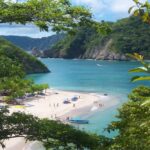
Picture this: you’re standing on a white-sand beach, turquoise water lapping at your feet, a tropical island rising behind you in a curtain of dense jungle. You’ve just snorkeled with dozens of colorful reef fish, eaten a fresh ceviche lunch under a palm-thatched roof, and you’re now deciding whether to kayak, swim, or simply lie in a hammock for the rest of the afternoon. That’s the Isla Tortuga promise, and for a lot of visitors, it delivers exactly that.
But here’s the honest question no travel blog seems willing to answer directly: is Isla Tortuga snorkeling actually good? Or are you paying for a beautiful setting wrapped around mediocre marine life? And how does a day trip to Tortuga Island stack up against other ocean excursions from Jacó, Costa Rica, when you factor in travel time, cost, and what you actually see underwater?
This breakdown covers all of it, the snorkeling conditions, the logistics, the pricing, the alternatives, and a direct recommendation based on who you are as a traveler. No fluff, no vague promises. Just an honest assessment of whether Isla Tortuga deserves a spot on your Central Pacific itinerary.
What Is Isla Tortuga, and Where Does It Actually Sit?
Isla Tortuga is a privately owned island located in the Gulf of Nicoya, off the Puntarenas coast of Costa Rica’s Central Pacific region. Despite its fame in tourist circles, it’s worth understanding the geography clearly: the island sits roughly 25 kilometres from the Puntarenas ferry terminal and about 100 kilometres from Jacó, making the logistics of getting there a real consideration depending on where you’re staying.
The island is technically two islands, Isla Tolinga and Isla Alcatraz, grouped together under the Isla Tortuga name for tourism purposes. The main beach visitors access spans roughly 800 metres of white sand with calm, protected waters on its leeward side, which is the primary snorkeling and swimming area. The island is situated within the Sistema Nacional de Áreas de Conservación (SINAC) management framework, though it operates under private tourism concessions rather than as a strict national park.
The Gulf of Nicoya itself is a complex marine environment. It’s a large estuarine gulf fed by several rivers, including the Río Tempisque, which means water clarity varies significantly depending on season, tidal cycles, and rainfall. This is a critical piece of information for anyone evaluating the isla tortuga snorkeling experience, because the gulf’s water conditions are nothing like the open-ocean visibility you’d find in, say, the Caribbean coast near Cahuita National Park or the Papagayo Peninsula in Guanacaste.
Getting There from Jacó: What the Trip Actually Involves
From Jacó, reaching Isla Tortuga requires a drive north along the Costanera Sur highway toward Puntarenas, followed by a boat transfer. The road journey alone runs 70–90 minutes depending on traffic. Most organized tour operators pick up guests in Jacó and drive them to a departure point near Paquera or Puntarenas, where a catamaran or speedboat takes over for the water crossing. Total one-way travel time from Jacó typically lands between 2.5 and 3.5 hours.
Cruise ship passengers docking at Puntarenas have a considerably easier journey, which is one reason Isla Tortuga is such a dominant shore excursion for cruise lines operating Pacific itineraries. For those passengers, the boat ride from the Puntarenas terminal to the island runs roughly 45–60 minutes, making the day very manageable. If you’re a cruise traveler reading this, Tortuga is genuinely convenient for you. If you’re based in Jacó, the calculus is different.
What You’ll Actually See Snorkeling at Isla Tortuga
The underwater environment at Isla Tortuga is pleasant, accessible, and well-suited to beginners, but it requires honest expectations. The snorkeling here is not the dramatic coral reef experience you might associate with the Caribbean or the Mesoamerican Barrier Reef. The Gulf of Nicoya is a warm, nutrient-rich body of water, and that combination creates specific conditions: visibility typically ranges from 3 to 8 metres on a good day, occasionally better during the dry season (December through April) when rainfall is minimal and river runoff is low.
What you will see regularly includes a solid variety of tropical reef fish: parrotfish in multiple color phases, sergeant majors (the small black-and-yellow striped fish that are often the first thing snorkelers spot), various species of wrasse, pufferfish, and the occasional spotted moray eel tucked under rocky outcrops. The rocky reef structures around the island’s edges host small communities of marine life that are reliably present throughout the year.
Marine Life Frequency: A Realistic Breakdown
Understanding what you’re likely to see versus what’s possible on an exceptional day helps set the right expectations for any ocean excursion in Costa Rica’s Central Pacific.
| Marine Species / Feature | Likelihood at Isla Tortuga | Best Season | Notes |
|---|---|---|---|
| Tropical reef fish (parrotfish, wrasse, sergeants) | ✅ Very High | Year-round | Consistent presence around rocky structures |
| Pufferfish | ✅ High | Year-round | Common in rocky reef areas |
| Spotted moray eels | ✅ Moderate–High | Year-round | Present but require looking under ledges |
| Sea turtles | ⚠️ Low–Moderate | Rainy season (May–Nov) | Occasional sightings, not guaranteed |
| Manta rays / stingrays | ⚠️ Low | Occasional | Sandy-bottom areas near beach edges |
| Dolphins (en route) | ✅ Moderate–High | Year-round | Spinner and bottlenose spotted from the boat frequently |
| Hard coral formations | ❌ Minimal | N/A | Gulf of Nicoya has limited hard coral development |
| Water visibility | ⚠️ Variable | Best: Jan–Apr | 3–8m typical; up to 10m in ideal dry season conditions |
The single most important factor affecting isla tortuga snorkeling quality is visibility, and visibility is directly tied to season and tidal timing. Tours that depart early (before 9:00 AM) tend to hit the water during incoming or slack tides, which are cleaner. Afternoon snorkeling sessions after heavy boat traffic has stirred up sand tend to be murkier. If your tour operator lets you choose, prioritize the morning water entry.
The Coral Situation: What No One Warns You About
One of the most common disappointments expressed by snorkelers at Isla Tortuga is the absence of extensive coral reef. Unlike the Caribbean coast, where Cahuita National Park protects one of Costa Rica’s few true coral ecosystems, the Pacific side of the country, including the Gulf of Nicoya, sees limited hard coral development. The reasons are primarily oceanographic: Pacific upwelling events bring cold, nutrient-dense water that’s less hospitable to coral polyps than the warmer, clearer Caribbean waters.
What exists at Tortuga is rocky reef habitat, which is ecologically rich in its own right but visually different from the branching coral structures many snorkelers picture when they imagine a tropical reef. If you’ve snorkeled in Hawaii, the Florida Keys, or the Belize barrier reef, manage your expectations accordingly. If this is your first time snorkeling anywhere, Isla Tortuga will be a genuinely memorable experience because the fish life is real, the water is warm, and the setting is beautiful.
How Does Isla Tortuga Compare to Other Ocean Excursions from Jacó?
For travelers based in Jacó, the more relevant question might not be “is Tortuga good?” but rather “is Tortuga the best use of my ocean excursion day?” The Central Pacific coast offers several competing experiences, and making the right choice depends on what you’re optimizing for.
Side-by-Side Comparison: Isla Tortuga vs. Competing Central Pacific Excursions
| Excursion | Snorkeling Quality | Travel Time from Jacó | Approx. Cost (USD) | Best For |
|---|---|---|---|---|
| Isla Tortuga | ⚠️ Moderate (variable visibility, no hard coral) | 2.5–3.5 hrs each way | $85–$140 per person | Beach lovers, cruise passengers, first-time snorkelers |
| Manuel Antonio coast snorkeling | ⚠️ Moderate (similar conditions to Tortuga) | 1–1.5 hrs from Jacó | $50–$90 per person | Those combining park visit with water activity |
| Jacó area sport fishing / boat tour | ❌ Not the focus | Departs from Jacó marina | $100–$300+ per person | Fishing-focused travelers |
| Cahuita NP (Caribbean) | ✅ High (real coral, better visibility) | 4.5–5.5 hrs from Jacó | $40–$80 per person (guided) | Dedicated snorkeling enthusiasts willing to travel |
| Central Pacific waterfall + nature excursion | N/A (land-based) | 30–90 mins from Jacó | $65–$120 per person | Wildlife, rainforest, and photography lovers |
The comparison reveals something important: for travelers specifically staying in Jacó, the travel time to Isla Tortuga is substantial relative to the snorkeling payoff. You’re committing the better part of a full day to a round-trip that, in terms of marine life quality, doesn’t dramatically outperform closer options. The experience wins on its totality, the island setting, the beach, the food, the boat ride with dolphin sightings, rather than on snorkeling excellence alone.
Is Isla Tortuga Worth Visiting? The Honest Answer
Yes, with the right expectations, and no, if you’re going specifically for world-class snorkeling. The is-it-worth-it question depends almost entirely on what you value in a day excursion and how much of your Costa Rica trip budget you’re willing to allocate to a single outing.
Isla Tortuga earns its reputation as one of Costa Rica’s iconic island experiences because it packages several pleasures into one day: a boat ride through the Gulf of Nicoya (frequently with dolphin sightings), arrival at a genuinely beautiful beach, snorkeling in calm, warm water, fresh seafood lunch, and free time to kayak, paddleboard, or simply relax on white sand. For most visitors, that’s a deeply satisfying day regardless of whether the underwater visibility was 4 metres or 8 metres.
Who Should Go to Isla Tortuga
- Cruise passengers docking at Puntarenas: The logistics work perfectly. The island is close, the tours are well-organized, and the experience matches the “tropical island” expectation of a Pacific cruise excursion. This is genuinely one of the better Puntarenas shore excursions available.
- First-time snorkelers: The calm, shallow water on Tortuga’s leeward beach is ideal for beginners. There’s enough marine life to make it exciting without the overwhelming currents or depth of open-ocean sites.
- Families with children: The protected beach, manageable boat ride, and included activities (kayaking, paddleboarding at most operators) make this a strong family day trip. Children who might struggle with rougher Pacific surf will feel comfortable here.
- Travelers who want a full beach day with a tropical island aesthetic: If your primary goal is white sand, palm trees, warm water, and a festive atmosphere, Tortuga delivers this more reliably than most Central Pacific beaches.
- Visitors who have already checked off other excursions and want contrast: If you’ve done a waterfall trek, a wildlife tour in Manuel Antonio, and a rainforest canopy, an island beach day provides a different kind of Costa Rican experience.
Who Should Skip Isla Tortuga
- Serious snorkelers and divers: If underwater visibility and coral reef quality are your primary metrics, the Gulf of Nicoya will disappoint. Consider the Caribbean coast (Cahuita, Puerto Viejo) or Guanacaste’s Papagayo area instead.
- Travelers based in Jacó with limited time: If you only have 3–4 days in the Central Pacific, the travel time to Tortuga consumes a full day that could yield richer wildlife and nature experiences closer to home. Ocean excursions from Jacó, Costa Rica that depart locally offer far better time efficiency.
- Budget-conscious travelers: At $85–$140 per person from Jacó (including transport), Tortuga is one of the more expensive half-day or full-day excursions in the region. The premium is partly for the island setting itself, not purely the activities.
- Those prone to motion sickness: The Gulf of Nicoya can get choppy, especially during the rainy season (May through November). The boat ride is not extreme, but it’s not a flat-water ferry either. Come prepared.
The Logistics Deep Dive: Getting to Isla Tortuga from Jacó
Planning the logistics of a Tortuga day trip from Jacó is where many visitors encounter frustrating surprises. The island doesn’t have a standard, fixed route the way a ferry terminal operates. Instead, access is almost entirely through organized tour operators who bundle transport, boat crossing, activities, and lunch into a package price.
Tour Operator Route: The Most Common Approach
The typical Jacó-based Tortuga tour runs as follows: early morning hotel pickup (usually 6:00–7:30 AM), van transfer north along the Costanera Sur toward Puntarenas, departure by boat from the Puntarenas area (either the main terminal or a private dock), 45–75 minute catamaran crossing to the island, 3–4 hours on the island, return crossing, van transfer back to Jacó. Total time from pickup to drop-off: 10–12 hours.
This is a long day. The math works better for travelers who genuinely want the island experience than for those treating it as a quick snorkeling stop. One practical advantage of organized tour packages is that gear (snorkel, mask, fins), lunch, and nonalcoholic drinks are typically included, which simplifies the day considerably.
Independent Access: Is It Possible?
Technically, independent travelers can reach Isla Tortuga by taking a public bus from San José or Jacó to Puntarenas, then booking a spot on one of the ferry or water taxi services that service the Nicoya Peninsula, but this doesn’t actually get you to Tortuga Island directly. The island is privately managed for tourism, meaning independent access without a tour booking is not straightforward. Most visitors who try to “go independent” still end up booking a boat transfer through one of the Puntarenas-based tour operators, which effectively recreates the guided tour structure anyway.
The practical conclusion: for travelers coming from Jacó, booking through a reputable operator is both the most convenient and often the most cost-effective approach when you factor in the coordination required.
What the Boat Ride Is Actually Like
Most Tortuga tours use medium-sized catamarans (capacity 40–80 passengers) or smaller speedboats for the crossing. Catamarans offer a more stable, comfortable ride with more deck space, onboard restrooms, and often a small bar. Speedboats cut travel time but offer a bumpier experience and less space. If you have the option, catamaran crossings are generally preferable for families, older travelers, and anyone who has experienced motion sickness before.
The boat ride through the Gulf of Nicoya is genuinely enjoyable on calm mornings. Dolphins (primarily spinner dolphins and bottlenose dolphins) appear alongside the boat frequently enough that most tours treat them as a standard feature rather than a bonus. Spotting frigate birds, brown pelicans, and the occasional magnificent frigatebird circling overhead adds to the wildlife count before you even reach the island.
Pricing Breakdown: What a Tortuga Trip Actually Costs
Understanding the full cost of an Isla Tortuga trip from Jacó requires looking beyond the advertised tour price. Here’s a realistic breakdown of what you should budget:
| Cost Item | Included in Most Packages? | Approximate Cost if Not Included |
|---|---|---|
| Tour package (transport + boat + island access) | ✅ Yes | $85–$140 per person base |
| Snorkel gear rental | ✅ Usually included | $10–$15 per person |
| Lunch (typically fresh seafood buffet) | ✅ Usually included | $20–$35 per person if not |
| Alcoholic beverages on island | ❌ Usually extra | $4–$8 per drink (₡2,000–₡4,000) |
| Paddleboarding / kayaking | ⚠️ Sometimes included | $15–$25 per person/hour |
| Sunscreen (reef-safe required) | ❌ No | $12–$20 per bottle if purchased locally |
| Tips for guides and crew | ❌ Not included but expected | $10–$20 per person recommended |
A realistic per-person budget for a Tortuga day trip from Jacó, including tips and a couple of drinks, runs $110–$175. For a couple, that’s $220–$350 for one day’s excursion. Whether that represents good value depends on how much you value the island-beach-snorkeling combination versus other ways you might spend that money in Costa Rica.
Snorkeling Gear and Preparation: What to Bring
Even when gear is included in your tour package, the quality of provided snorkel masks varies considerably. Ill-fitting masks are the single biggest reason beginner snorkelers have a poor experience, a mask that leaks constantly or fogs within minutes turns an enjoyable activity into a frustrating one. Here’s what preparation looks like for making the most of the water time at Isla Tortuga:
Gear Considerations
- Personal mask: If you snorkel even occasionally, bringing your own mask is worth it. Travel-size snorkel masks pack flat and are widely available. A properly fitted, fog-free mask transforms the experience.
- Reef-safe sunscreen: This is not optional at Isla Tortuga. The island’s management (and broader Costa Rican environmental regulation under the Ministerio de Ambiente y Energía (MINAE)) strongly encourages reef-safe, biodegradable sunscreen. Standard oxybenzone-based sunscreens contribute to coral bleaching, and while hard coral is limited at Tortuga, the rocky reef ecosystem is still sensitive. Bring it from home or purchase it in Jacó before departure, as island prices are significantly higher.
- Rash guard or wetsuit top: The Gulf of Nicoya water temperature runs 26–30°C year-round, so thermal protection isn’t needed. However, a rash guard provides UV protection and prevents skin abrasion if you’re floating over rocky reef areas.
- Underwater camera or waterproof phone case: The fish at Tortuga are approachable and photogenic. A waterproof camera or housing is one of the best investments you can make for this kind of trip. GoPro-style cameras on a wrist mount work well for snorkeling without the bulk of a handheld setup.
- Motion sickness medication: If you have any susceptibility, take it the night before and again 30–60 minutes before the boat departure. The Gulf crossing isn’t extreme, but an upset stomach will ruin the day regardless of how beautiful the destination is.
Costa Rica Wildlife and Nature Excursions: How Tortuga Fits the Bigger Picture
One of the most productive ways to think about Isla Tortuga is to place it within the broader context of Costa Rica wildlife and nature excursions rather than evaluating it in isolation. Costa Rica’s draw as a destination is the density and variety of natural experiences packed into a small country, and a well-planned itinerary mixes different ecosystem types rather than doubling down on one.
The Central Pacific coast, anchored by Jacó, is one of the most versatile bases for this kind of mixed itinerary. Within a 90-minute radius, you can access primary and secondary rainforest, Pacific beaches with nesting olive ridley sea turtles (at Playa Hermosa), montane cloud forest approaching the Talamanca range, river systems with crocodiles and water birds, and marine environments ranging from estuary to open ocean. Isla Tortuga represents the island-beach component of this menu, a specific flavor that not every itinerary requires, but that adds genuine variety for travelers who have time for it.
The Inland Alternative: What You’d Experience Instead
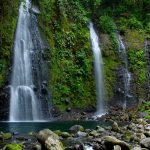
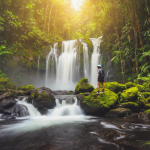
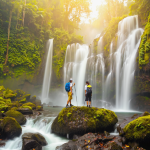
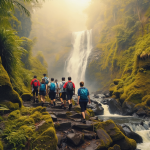
For travelers who are weighing Tortuga against a full-day inland excursion, here’s the honest comparison. A guided waterfall and wildlife tour operating out of Jacó typically delivers:
- Active hiking through secondary rainforest with real canopy wildlife (white-faced capuchin monkeys, three-toed sloths, poison dart frogs, toucans)
- Swimming in natural freshwater pools at the base of waterfalls, a genuinely different sensory experience from ocean snorkeling
- Close encounters with botanical diversity including orchids, bromeliads, and tropical fig trees
- Smaller group sizes and more personalized guide attention than the larger Tortuga catamaran tours
- Shorter travel time from Jacó (often 30–90 minutes to the trailhead)
- Comparable or lower cost in most cases
The inland versus ocean excursion choice isn’t about which is objectively better, it’s about which experience you haven’t had yet and what kind of memory you want to take home. First-time visitors to Costa Rica who only have 4–5 days often benefit more from the biodiversity-dense inland experience, while return visitors who have already trekked waterfalls may find the Tortuga island day a satisfying addition to a familiar repertoire.
Seasonal Timing: When Isla Tortuga Snorkeling Is at Its Best
Timing your visit to Isla Tortuga around Costa Rica’s two seasons makes a meaningful difference in snorkeling conditions specifically. The dry season (verano, December through April) delivers the most reliably clear water in the Gulf of Nicoya. Reduced rainfall means less river runoff, lower sediment load in the water column, and better horizontal visibility for snorkelers. Calm morning sea conditions during this period can push visibility to 8–10 metres on exceptional days.
The rainy season (invierno, May through November) doesn’t make Tortuga inaccessible, but it does introduce variability. Afternoon thunderstorms are common, and tours typically structure their schedule to complete snorkeling and beach time before the heaviest rain arrives (usually mid-to-late afternoon). The water can be significantly murkier during high rainfall periods, particularly after heavy rain events flush silt from the Tárcoles River and other Gulf tributaries. Operators occasionally cancel or reschedule trips during the height of tropical storm activity.
One counterintuitive advantage of the green season: the island is less crowded. The beach at Isla Tortuga during peak dry season, particularly around the Christmas holiday and school spring break periods, can feel overwhelmed with visitors when multiple tour boats arrive simultaneously. A rainy-season visit, particularly in September or October, often means a significantly quieter beach experience even if visibility is slightly reduced.
Month-by-Month Quick Reference
| Month | Season | Snorkeling Visibility | Crowd Level | Overall Rating |
|---|---|---|---|---|
| December–February | Dry | ✅ Best | ⚠️ High (holiday peaks) | ★★★★☆ |
| March–April | Dry | ✅ Excellent | ⚠️ Very High (spring break) | ★★★★☆ |
| May–June | Early Rainy | ⚠️ Moderate | ✅ Low | ★★★☆☆ |
| July–August | Rainy (brief dry spell) | ⚠️ Variable | ⚠️ Moderate (summer travel) | ★★★☆☆ |
| September–October | Peak Rainy | ❌ Often Poor | ✅ Very Low | ★★☆☆☆ |
| November | Late Rainy / Transitional | ⚠️ Improving | ✅ Low | ★★★☆☆ |
Choosing an Operator: What Separates Good Isla Tortuga Tours from Mediocre Ones
Not all Isla Tortuga tours are equivalent, and the operator you choose shapes the experience significantly. The island itself is the same for everyone, but the quality of guides, the size of the group, the vessel comfort, the food quality, and the honesty about what snorkeling conditions will be like on a given day vary widely between operators.
The Operator Selection Framework
When evaluating a Tortuga tour operator from Jacó, apply this decision framework before booking:
- Group size transparency: Ask directly how many passengers will be on the boat. A catamaran carrying 70 people delivers a very different experience from one carrying 25. Smaller groups mean more personalized attention, less crowding at the snorkel site, and quieter time on the beach.
- Guide credentials: In Costa Rica, reputable tour operators work with guides who hold certifications through the Instituto Costarricense de Turismo (ICT). ICT-licensed guides have completed formal training in both natural history and emergency protocols. Ask whether guides are ICT-certified, this is a meaningful quality signal, not a bureaucratic formality.
- Cancellation and weather policy: Understand exactly what happens if weather conditions make the crossing unsafe. Reputable operators reschedule or refund without penalty; others apply strict no-refund policies regardless of conditions. This matters more in the rainy season but is relevant year-round.
- Sustainability practices: Costa Rica’s Certificación para la Sostenibilidad Turística (CST) program rates tourism operators on environmental and social responsibility. Operators with CST certification have undergone independent auditing of their practices. This is particularly relevant for ocean excursions where marine environment impacts (anchor placement, snorkeler behavior near reef habitat, waste management) are direct concerns.
- Honest pre-trip communication: The best operators proactively tell you what conditions are expected on your specific tour date, including realistic visibility estimates. If a company only emphasizes the highlights and never mentions limitations, that’s a flag.
The Jacó Advantage: Why Ocean Excursions Based in Jacó Deserve More Credit
One argument that doesn’t get made often enough in Tortuga comparisons: Jacó’s own surrounding waters offer legitimate ocean excursion options that eliminate the long travel day entirely. Ocean excursions from Jacó, Costa Rica include whale watching during humpback migration seasons (which occur twice annually along the Central Pacific, roughly July through October for Southern Hemisphere humpbacks, and December through March for Northern Hemisphere populations), dolphin tours, estuary boat tours through the Tárcoles River mangroves (where American crocodiles reach impressive sizes), and sport fishing in productive offshore waters.
The Tárcoles River estuary tour, in particular, is underrated as an alternative for wildlife-focused travelers. The mangrove system supports enormous concentrations of water birds including roseate spoonbills, boat-billed herons, and multiple heron and egret species, alongside the famous crocodile population. A morning boat tour through the Tárcoles estuary costs $40–$70 per person, takes 2–3 hours, requires no long-distance transport, and delivers wildlife sightings that are often more dramatic than anything seen underwater at Tortuga.
This isn’t an argument against Isla Tortuga, it’s a reminder that the Central Pacific coast is rich enough that you don’t need to spend a full day traveling to access genuinely impressive natural experiences.
Decision Framework: Which Excursion Is Right for You?
Rather than a vague recommendation, here’s a concrete decision guide based on the most common traveler profiles planning Central Pacific excursions:
| Your Priority | Best Choice | Why |
|---|---|---|
| Snorkeling quality above all else | Cahuita NP (Caribbean) or Guanacaste | Genuine coral reef, better visibility, more diverse marine life |
| Tropical island beach day experience | ✅ Isla Tortuga | Unmatched in the Central Pacific for the white-sand island aesthetic |
| Wildlife diversity in a single day | Inland rainforest / waterfall tour | Mammals, birds, reptiles, amphibians, and botany in one immersive experience |
| Cruise shore excursion (Puntarenas) | ✅ Isla Tortuga | Proximity, established infrastructure, reliable timing for ship return |
| Budget optimization (under $70/person) | Local Jacó ocean or nature tour | Comparable wildlife quality at lower cost and less travel time |
| Family with young children (ages 4–12) | ✅ Isla Tortuga | Calm protected water, beach play time, manageable snorkeling for all ages |
| Photography focus | Waterfall + rainforest tour | Dramatic landscapes, wildlife, light through forest canopy, superior photographic variety |
| Repeat visitor wanting something new | ✅ Isla Tortuga | If you’ve done the rainforest, a Gulf island day provides genuine contrast |
Frequently Asked Questions About Isla Tortuga Snorkeling
Is the snorkeling at Isla Tortuga good for beginners?
Yes. The shallow, calm water on the island’s protected beach side makes it genuinely accessible for first-time snorkelers. Visibility is adequate on most days during the dry season, and the fish life is engaging enough to hold a beginner’s attention. Guides typically provide a brief orientation before entering the water, which helps new snorkelers with mask clearing and breathing technique.
Can you see sea turtles snorkeling at Isla Tortuga?
Sea turtle sightings while snorkeling at Tortuga are possible but not guaranteed. The Gulf of Nicoya does support green sea turtle and hawksbill turtle populations, and individual turtles occasionally appear in the snorkeling area. Rainy season visits (May through November) offer slightly better odds. If sea turtles are your primary objective, the nesting beaches at Tortuguero on the Caribbean coast or Ostional in Guanacaste offer dramatically more reliable encounters.
How long do you actually spend snorkeling on a Tortuga tour?
Most organized tours allocate 45–75 minutes of water time for snorkeling. Some tours structure this as one guided snorkel session, while others allow free time in the water throughout the beach period. The guided session is typically the more productive use of your water time, as guides know where fish concentrations are highest around the rocky reef structures.
Is Isla Tortuga snorkeling safe?
Yes, for the vast majority of visitors. The waters are calm, the depth in the snorkeling area is manageable (typically 2–6 metres), and all reputable operators provide flotation aids for non-swimmers or anxious beginners. There are no dangerous currents in the protected beach area. The main safety consideration is sun exposure, as the equatorial sun is intense even on overcast days, reef-safe SPF 50+ sunscreen is essential.
What time of year is best for Isla Tortuga snorkeling?
January through April delivers the best combination of water clarity, calm sea conditions, and reliable weather. March and April in particular offer excellent visibility and manageable crowds outside of the spring break peak weeks. November and early December are a good shoulder-season option with improving conditions and fewer visitors.
How far is Isla Tortuga from Jacó?
By road and sea combined, reaching Isla Tortuga from Jacó involves approximately 70–90 kilometres of road travel to the Puntarenas departure area, followed by a 30–45 kilometre boat crossing through the Gulf of Nicoya. Total one-way travel time runs 2.5–3.5 hours depending on the operator’s departure point and vessel speed.
Do you need to know how to swim to snorkel at Isla Tortuga?
Basic swimming ability is helpful, but non-swimmers can participate with the use of a life jacket or flotation vest, which reputable operators carry on board. The snorkeling area’s calm, shallow conditions make this more accessible than many open-ocean snorkeling sites. Communicate your swimming comfort level to the operator when booking so they can prepare appropriate equipment.
Is the Isla Tortuga tour worth the cost compared to other Costa Rica excursions?
The value equation depends on your itinerary context. As a standalone experience evaluated on cost per activity hour, Tortuga is on the more expensive end of Central Pacific excursions. Where it delivers strong value is as a bundled experience: island access, boat ride with dolphin watching, snorkeling, lunch, and beach activities in one package. For travelers who want all of those elements in a single day, the bundled pricing is reasonable. For travelers who only want the snorkeling component, there are more cost-efficient options.
Can you go to Isla Tortuga independently without a tour?
Practical independent access to Isla Tortuga is very limited. The island operates under private tourism concessions, meaning unguided independent visits are not readily available. Travelers can arrange a boat transfer from Puntarenas or Paquera independently and then pay island access fees separately, but this approach typically ends up costing more than a packaged tour while sacrificing the included meals, gear, and guided snorkeling.
Are there other beaches near Jacó better than Isla Tortuga for snorkeling?
The Central Pacific coastline near Jacó doesn’t have reefs that match or exceed Tortuga’s marine life diversity. Boca Barranca and Playa Hermosa are surf beaches rather than snorkeling destinations. The honest answer is that if you want the best Pacific snorkeling in Costa Rica, you need to travel north to the Papagayo Peninsula in Guanacaste, or cross to the Caribbean coast. Isla Tortuga is among the better Pacific snorkeling options in the region, even if it doesn’t reach the standard of the country’s top Caribbean sites.
What should I bring on an Isla Tortuga day trip?
Reef-safe sunscreen (SPF 50+), a rash guard, personal snorkel mask if you own one, motion sickness medication if needed, a reusable water bottle, underwater camera or waterproof phone case, cash in USD or colones for drinks and tips, and a dry bag for valuables. Most operators provide snorkel gear, but bringing your own mask significantly improves the experience.
How does Isla Tortuga compare to snorkeling at Manuel Antonio?
Both sites share similar limitations as Pacific snorkeling destinations: variable visibility, rocky rather than coral reef habitat, and comparable fish diversity. Manuel Antonio has the advantage of being closer to Jacó and offering the combined experience of one of Costa Rica’s most biodiverse national parks. Isla Tortuga has the advantage of a more secluded island setting and calmer, more protected water. For pure snorkeling quality, they’re roughly comparable. For overall day experience, the choice comes down to whether you prefer rainforest-plus-beach (Manuel Antonio) or island-beach-plus-boat-ride (Tortuga).
Key Takeaways
- Isla Tortuga snorkeling is best described as pleasant and accessible rather than exceptional. Variable Gulf of Nicoya visibility and limited hard coral mean the underwater experience doesn’t match the Caribbean coast, but the fish life and warm water make it genuinely enjoyable, particularly for beginners and families.
- The complete day experience is where Tortuga earns its reputation. The boat ride, dolphin sightings, white-sand beach, fresh seafood lunch, and kayaking/paddleboarding options combine into a satisfying full-day package that goes well beyond the snorkeling component alone.
- Logistics from Jacó are significant. Budget 10–12 hours for the full round-trip day. Travelers with limited time in the Central Pacific should weigh this carefully against closer excursions that deliver rich wildlife experiences with far less travel.
- Dry season (December–April) delivers the best snorkeling visibility. January through April are the optimal months. Rainy season visits are viable but come with reduced visibility and more weather variability.
- Cruise passengers from Puntarenas get the best deal. The proximity advantage makes Tortuga one of the strongest shore excursion options in the Central Pacific for cruise itineraries.
- Operator selection matters. ICT-certified guides, CST-accredited operators, small group sizes, and honest weather communication separate quality tours from crowded, generic experiences.
- A waterfall and rainforest excursion from Jacó offers a compelling alternative for travelers who prioritize wildlife diversity, shorter travel time, and a fundamentally different kind of natural immersion in Costa Rica’s ecosystems.
Planning Your Central Pacific Adventure: Where to Book
Whether Isla Tortuga goes on your list or you decide a waterfall and rainforest excursion is the better fit for your itinerary, the Central Pacific coast rewards travelers who plan their activities thoughtfully. The density of natural experiences available within a short radius of Jacó is genuinely remarkable, and the difference between an average day and an extraordinary one often comes down to the quality of your operator and the clarity of your expectations going in.
Costa Rica Waterfall Tours operates out of Jacó with a focus on guided nature and adventure excursions that put you inside the rainforest rather than watching it from a boat deck. For travelers who want experienced guides, small group sizes, and honest communication about what each experience delivers, their adventure tour offerings cover the Central Pacific’s most rewarding inland and ocean excursions from a base that couldn’t be more convenient. Browse the full tour menu, compare what’s available for your travel dates, and reach out with questions before you book, the team knows this region and will give you straight answers about which experience fits your group best.
Costa Rica’s natural abundance doesn’t require you to travel far or spend extravagantly to have an experience that stays with you. Sometimes the waterfall an hour from your hotel is more memorable than the famous island two and a half hours away. Sometimes it’s both. The goal is to make the choice with full information, and that’s exactly what this breakdown was designed to give you.
About the author
Costa Rica Waterfall Tours Editorial Team · Editorial Team
Book Your Guided Waterfall Adventure