Picture this: you step off the bus at Jacó’s central terminal, bags in hand, the Pacific air thick with humidity and the distant crash of waves. You’ve got four days, a loose itinerary, and a growing list of “must-do” activities that seems to contradict itself. Someone at the hostel tells you to rent an ATV. Your travel app suggests a zip-line. A cruise ship passenger at the café swears the mangrove kayak tour changed their life. And somewhere in the background, a local guide is quietly mentioning a waterfall trail that barely shows up on any tourist map.
This is the Jacó paradox: there is genuinely more to do here than most visitors expect, and the volume of options makes prioritization feel impossible. Jacó sits on Costa Rica’s Central Pacific coast, roughly 100 km southwest of San José, and it punches well above its weight as an adventure hub. The surrounding Puntarenas province delivers everything from jungle-edged coastline to interior cloud forest within a two-hour radius. Knowing which activities are worth your time, your dollars, and your physical energy is the difference between a trip that exceeds every expectation and one that burns itself out on mediocre zip-line queues.
This ranked guide cuts through the noise. Every Jacó beach activity below has been evaluated on three axes: adventure value (how genuinely thrilling or immersive the experience is), accessibility (whether it works across fitness levels, ages, and logistical constraints), and the probability of a memory that still feels vivid five years from now. The list runs from the most impactful at the top down to solid but secondary options. Start at number one.
1. Guided Waterfall Trekking: The Highest-Return Activity in the Jacó Region
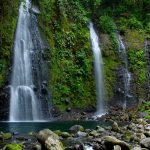
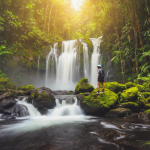
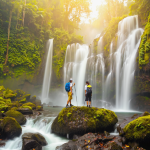
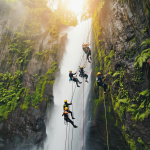
Waterfall trekking with an experienced local guide is the single activity most likely to redefine what a visitor expects from a Costa Rica trip. Nothing else in the Jacó activity ecosystem combines physical immersion, ecological depth, photographic reward, and sheer sensory impact the way a properly guided waterfall excursion does. This is not a gentle stroll to a roadside cascade. The Central Pacific’s interior watersheds, fed by year-round rainfall and drained by rivers cutting through primary and secondary rainforest, produce waterfalls of genuinely dramatic scale.
The terrain around Jacó connects to a network of rivers and tributaries that flow down from the Fila Costeña mountain range. During the green season (roughly May through November), water volumes surge and the falls reach their most spectacular height and force. During the dry season (December through April), trails are more accessible and water clarity is exceptional for swimming in the natural pools below. Both seasons offer a compelling but different experience, which means waterfall trekking is the rare activity that rewards repeat visits at different times of year.
Why a Guided Tour Changes Everything
The difference between showing up to a waterfall trailhead alone and going with an experienced local guide is the difference between seeing a photograph and understanding the story behind it. A knowledgeable guide identifies the poison dart frogs in the leaf litter, explains the root architecture of strangler figs, points out the canopy movement that signals a troop of white-faced capuchins overhead, and knows exactly where to position you for a photograph that will make every other travel shot in your camera roll feel ordinary.
Safety is the other critical variable. Waterfall trails in Costa Rica involve river crossings, slick volcanic rock, and elevation changes that demand route knowledge. Flash flooding is a genuine risk during the green season; a guide who monitors upstream weather conditions and knows alternate exit routes is not a luxury, it is the margin between a great story and a dangerous situation. The Instituto Costarricense de Turismo (ICT) licenses tour operators, and booking with a registered, reviewed company is the baseline standard for any adventure activity in Costa Rica.
What to Expect on a Waterfall Trek from Jacó
A standard guided waterfall excursion from Jacó runs between three and five hours, including transport. Expect moderate trail difficulty: some scrambling over roots and rocks, river crossings that may be knee-to-waist deep depending on season, and sustained uphill sections that reward a reasonable baseline of fitness. Most operators accommodate beginners with proper briefings and equipment. Bring river sandals or water shoes, a dry bag for electronics, reef-safe sunscreen, and more water than you think you need.
The payoff at the end of the trail, a curtain of white water dropping into a cold emerald pool framed by ferns and moss-covered boulders, is the kind of scene that makes visitors understand why Costa Rica’s ecotourism reputation is among the strongest on earth. Swimming beneath a working waterfall in the middle of a living rainforest is a tactile, immersive experience that no other activity on this list replicates.
For visitors serious about this experience, browse guided waterfall adventure tours from a Jacó-based operator with a track record of five-star experiences. Groups, families, solo travelers, and couples all find something here that fits.
2. Surfing: Jacó’s Defining Identity and a Legitimate Skill-Builder
Jacó has one of the most beginner-accessible surf breaks on the Central Pacific coast, and the consistent beach break makes it a genuine learning environment for first-timers and an enjoyable session for intermediates. The main beach at Jacó is a roughly 4-km stretch of dark volcanic sand with a beach break that produces rideable waves across a wide range of swells. It is not a destination for advanced surfers chasing perfection, that crowd migrates 10 km south to Playa Hermosa, one of Costa Rica’s most respected competitive surf venues, but for anyone learning or maintaining intermediate skills, Jacó’s main beach delivers.
Surf schools line the beachfront road (the Costanera Sur highway runs parallel to the beach), and lessons typically run 90 minutes to two hours with board rental included. Instructors working the Jacó beach break are accustomed to complete beginners and adjust their approach accordingly. Most people stand up on a board within the first lesson, which creates a disproportionate confidence boost for the rest of the trip.
Timing Your Sessions
The best surfing windows at Jacó’s main beach are early morning, typically between 06:00 and 09:00, when offshore winds create cleaner wave faces and the beach crowd is minimal. By midday, onshore winds chop up the surface. During the green season, larger south swells push more powerful waves through; the dry season tends to produce smaller, more manageable surf that is ideal for learners. If you want to witness serious surfing while you’re in the area, drive or take a taxi down to Playa Hermosa on any given morning and watch the locals and visiting pros work the heavier shore break.
Surfing ranks second on this list because it has a steeper learning curve than most other Jacó activities, its quality is tide and swell-dependent in a way that other activities are not, and the experience ceiling for non-surfers is lower than waterfall trekking. That said, for anyone with even a passing interest in wave riding, this is the place to try it.
3. ATV and Off-Road Tours Through Jungle Terrain
ATV tours through Jacó’s surrounding jungle and hillside terrain offer a high-adrenaline, low-skill-barrier adventure that works well for groups with mixed experience levels. Unlike surfing, which rewards practice, ATV riding produces immediate gratification: within minutes of mounting the vehicle, participants are navigating red-dirt trails through secondary forest, crossing shallow river fords, and ascending ridge lines with panoramic views of the Pacific coast.
Most ATV tour routes from Jacó cover between 20 and 40 km of trail, running through cattle-farm edges, secondary jungle, and coastal scrubland before reaching a viewpoint or beach destination. The terrain is varied enough to keep the experience engaging throughout, and guides typically lead small convoys at a pace that matches the group’s comfort level. Groups with riders who want more speed can usually negotiate a more aggressive pace; families with younger participants can request a slower, more scenic orientation.
What Makes ATV Tours Worth Ranking Here
The view from a ridge above Jacó, with the town’s grid visible below, the Pacific stretching to the horizon, and Carara National Park’s forest canopy visible to the north, is genuinely arresting. ATV tours reach these vantage points quickly and without the physical demands of a hiking trail, which makes them accessible to a broader range of visitors. They also cover ground efficiently; an ATV tour can deliver a bird’s-eye experience of the landscape in three hours that would take two days on foot.
The limitation is ecological: ATV tours operate in designated trail corridors, and the experience is more mechanical than immersive. You are moving through the landscape rather than being absorbed by it. For travelers who prioritize ecological connection, waterfall trekking and wildlife tours rank higher. For travelers who prioritize raw adrenaline and wide views, ATV tours often become the highlight of the trip.
4. Sport Fishing on the Central Pacific: Blue Water and Big Catches
The waters off Jacó sit within one of Central America’s most productive sport fishing zones, with marlin, sailfish, mahi-mahi, roosterfish, and yellowfin tuna all seasonally accessible within an hour’s run from the marina. Costa Rica holds multiple world records in sport fishing, and the Central Pacific’s offshore canyons and current lines concentrate pelagic species that draw serious anglers from across North America.
Charter boats out of Jacó range from small inshore pangas targeting roosterfish and snook in the surf zone to full-size offshore sport fishers rigged for blue marlin and Pacific sailfish. A full-day offshore charter typically runs six to eight hours and covers significant water in the search for fish. Half-day inshore trips are more accessible for visitors who want a taste of the experience without committing a full day.
Season and Species Considerations
Sailfish run year-round in Costa Rican waters, with peak concentrations typically aligning with the dry season. Mahi-mahi (dorado) are most abundant during the green season when ocean temperatures and current patterns shift. Roosterfish, one of the most visually spectacular sport fish in the Pacific, are inshore targets found along sandy beaches and rocky points throughout the year. Most operations practice catch-and-release for billfish, which aligns with the conservation ethic that Costa Rica’s tourism sector actively promotes.
Sport fishing ranks fourth because it requires a significant time and budget commitment (full-day charters are among the priciest single-day activities in the Jacó area), and the outcome is inherently variable. A waterfall is always there; a marlin may not cooperate. For dedicated anglers, this is a near-mandatory experience. For general adventure travelers, it is a compelling option that competes with other high-value activities for limited vacation days.
5. Wildlife and Birdwatching Tours at Carara National Park
Carara National Park, located approximately 20 km north of Jacó along the Costanera Sur, is one of the most ecologically significant and accessible wildlife viewing destinations on Costa Rica’s Pacific coast. The park occupies a transitional zone between the dry forests of Guanacaste and the humid rainforests of the southern Pacific, creating an unusual overlap of species that makes it exceptionally biodiverse even by Costa Rican standards.
The park is perhaps best known as one of the most reliable locations in Costa Rica to observe scarlet macaws in the wild. Large flocks roost within the park and fly out to coastal mangroves at dawn and return at dusk, creating a daily spectacle that is genuinely breathtaking. The Río Tárcoles, which forms the northern boundary of the park, is famous for American crocodile sightings from the bridge on the main highway, a spectacle that has become one of the most-photographed wildlife moments in Costa Rica, accessible in under a minute from the road.
Getting the Most from a Carara Visit
Guided early-morning tours of Carara’s trail network offer the best wildlife encounter rates. The park’s trail system is well-maintained and managed by SINAC (Sistema Nacional de Áreas de Conservación), Costa Rica’s national conservation system, which sets visitor capacity limits to protect the ecosystem. A licensed guide who knows the bird calls, mammal patterns, and fruiting trees significantly increases the probability of high-quality sightings. Expect to see multiple species of toucan, motmot, and tanager, and potentially tapir, peccary, or coati on the forest floor.
Carara ranks fifth not because it is less spectacular, but because it requires intentional early rising and benefits strongly from guide investment. Visitors who show up mid-morning without a guide often walk quiet trails and wonder what all the fuss is about. Visitors who arrive at first light with a knowledgeable local guide leave with a full memory card and a revised understanding of what “wildlife viewing” means.
| Activity | Adventure Level | Accessibility | Approx. Cost (USD) | Best Season | Ideal For |
|---|---|---|---|---|---|
| Guided Waterfall Trekking | ⚠️ Moderate | ✅ High | $60–$120 per person | Year-round (Green = volume, Dry = clarity) | Families, couples, groups, photographers |
| Surfing Lessons | ⚠️ Moderate | ✅ High (beginner-friendly) | $50–$90 per lesson | Dry season (calmer waves) | Solo travelers, younger groups |
| ATV / Off-Road Tours | ✅ High | ✅ High | $80–$150 per person | Dry season preferred (trails) | Mixed groups, thrill-seekers |
| Sport Fishing | ✅ High | ⚠️ Medium (cost, seasickness) | $400–$1,200+ per charter | Year-round (species vary) | Dedicated anglers, small groups |
| Carara Wildlife Tour | ⚠️ Low-Moderate | ✅ High | $40–$80 per person | Year-round (early morning) | Families, nature lovers, photographers |
| Mangrove Kayaking | ⚠️ Low-Moderate | ✅ High | $40–$75 per person | Year-round | Couples, eco-travelers, families |
| Zip-Lining | ✅ High | ✅ High | $60–$100 per person | Year-round | First-timers, groups, thrill-seekers |
| Horseback Riding | ⚠️ Low-Moderate | ✅ High | $50–$80 per person | Year-round | Families, couples, casual adventurers |
6. Mangrove Kayaking: The Quiet Adventure That Surprises Everyone
Kayaking through mangrove estuaries near Jacó is consistently the activity that surprises visitors most, delivering a genuinely wild and intimate wildlife encounter without requiring any athletic ability. The estuary systems around Jacó and nearby Playa Herradura shelter dense mangrove forests that serve as nursery habitat for marine species, roosting grounds for dozens of bird species, and corridors for crocodiles, caimans, and river otters.
The scale of the mangrove tunnels in Costa Rica’s Central Pacific estuaries catches most visitors off guard. The canopy closes overhead, light filters through in shifting patterns, and the silence is broken only by bird calls and the drip of paddles. It is a meditative, otherworldly experience that operates at a completely different emotional register than zip-lining or ATV riding, and that contrast is exactly why it earns a high ranking on a mixed itinerary.
Wildlife You Can Expect to Encounter
Mangrove kayaking tours from Jacó regularly produce sightings of American crocodiles resting on mud banks, great blue herons and tricolored herons stalking the shallows, roseate spoonbills during migration periods, and multiple species of kingfisher. Boat-billed herons, which roost in dense mangrove stands during the day, are frequently flushed by passing kayaks. Frigate birds and brown pelicans work the estuary mouths. On longer tours that extend into open water channels, dolphins occasionally appear.
The mangrove ecosystem is protected under Costa Rica’s Ley Forestal and associated regulations administered by MINAE, which means tours must operate within designated corridors. Reputable operators know these boundaries and respect them, which also means the ecosystems their tours visit remain healthy and productive year after year. This is ecotourism working as intended.
Why This Activity Ranks Above Zip-Lining
Zip-lining delivers an adrenaline spike that fades relatively quickly. Mangrove kayaking delivers a slower, deeper accumulation of wonder: the crocodile that surfaces two meters from your kayak, the heron that freezes in place and stares back, the moment when the tunnel opens into a wide estuary and the Pacific light floods back in. These are the kinds of sensory memories that stick. Zip-lining is sixth on this list; mangrove kayaking is sixth because it requires more time commitment than some visitors expect, but its experiential quality is underrated.
7. Zip-Lining: High Adrenaline, Low Learning Curve
Zip-lining is one of the most universally accessible high-adrenaline activities in Costa Rica, and the canopy tour operators near Jacó deliver a solid experience that works for nearly every fitness level and age group. The mechanics are simple: you are harnessed, clipped to a steel cable, and released across a canopy gap that may span several hundred meters with significant elevation drop. The sensation of speed, height, and free movement above the forest floor is immediately exhilarating.
Canopy tours in the Jacó area typically run between eight and fourteen platforms connected by cables of varying length. Total duration is usually two to three hours including briefing, harnessing, and transport between platforms. The ecological setting, flying above secondary forest with the Pacific visible through canopy gaps, adds a visual dimension to the physical thrill.
Choosing the Right Zip-Line Operator
Zip-lining safety in Costa Rica is regulated, but not uniformly enforced across all operators. ICT-registered operators that maintain current equipment certifications and enforce weight limits are the baseline standard. Look for operators that perform pre-tour equipment checks in front of participants, provide comprehensive briefings, and use dual-clip systems on transfer lines. These practices distinguish professional operations from budget alternatives that may cut corners on maintenance.
Zip-lining ranks seventh rather than higher because the experience, while genuinely thrilling, is relatively brief and does not deepen with the landscape in the way waterfall trekking or mangrove kayaking does. The adrenaline is real, but the ecological connection is limited. For visitors who have never done it, it belongs on the itinerary. For visitors who have zip-lined elsewhere and are choosing between activities, the options higher on this list offer greater distinctive value.
8. Horseback Riding on the Beach and Through Jungle Trails
Horseback riding tours from Jacó cover beach sections, river crossings, and forest trail networks, producing a multi-sensory experience that combines the romance of coastal riding with genuine jungle immersion. The combination of the beach setting (dark volcanic sand, Pacific horizon, warm dry-season light in the late afternoon) and the forest interior makes Jacó’s horseback riding unusually scenic by regional standards.
Most tours cater to riders with no prior experience and use calm, trail-trained horses that respond well to basic commands. Guides lead from the front and maintain a controlled pace that keeps beginners comfortable. More experienced riders can usually request faster-paced sections on appropriate terrain. Rides typically run between two and three hours.
The Logistics That Make a Difference
Evening rides that catch the last two hours of daylight are consistently the most photogenic option. The light on the Pacific at golden hour, filtered through the palms lining Jacó’s beach, is the kind of image that justifies an entire camera roll. Reputable operators match riders to appropriately sized horses, check tack before departure, and follow route protocols that avoid the more exposed midday heat. Riders are advised to wear closed-toe shoes and long pants regardless of temperature; loose sandals and shorts create unnecessary friction points on a multi-hour ride.
Horseback riding ranks eighth because its adventure ceiling is moderate and the experience is relatively common across many Costa Rican destinations. It is a reliable, enjoyable activity, but it rarely produces the “this is unlike anything I’ve ever done” response that the activities ranked above it generate.
9. Stand-Up Paddleboarding and Ocean Kayaking
Stand-up paddleboarding (SUP) and ocean kayaking on the sheltered waters near Jacó and Playa Herradura offer a low-impact, highly accessible ocean experience that works well as a morning activity or a complement to a surf lesson. The bay at Herradura, just north of Jacó, provides calmer conditions than the open beach break, making it the preferred launch point for paddleboarding and kayaking tours.
SUP provides a physical workout that is deceptively demanding: core engagement is continuous, and maintaining balance on open water in light swell builds genuine proprioceptive strength. For travelers who want active leisure rather than pure adrenaline, it occupies a satisfying middle ground. Ocean kayaking covers more water than SUP and often includes guided tours to rocky outcroppings or sea caves that cannot be accessed on foot.
Wildlife Encounters on the Water
Sea turtle sightings, particularly olive ridley turtles, occur in the waters around Jacó’s coastline. Bottlenose dolphins are occasionally encountered on longer ocean kayak tours that extend beyond the bay. Brown boobies and magnificent frigatebirds work the fish schools visible from the surface, providing a dynamic wildlife backdrop to the paddling experience. Snorkeling gear on a kayak tour opens an additional dimension: the rocky reefs near Jacó’s headlands support diverse fish communities visible in good visibility conditions.
SUP and ocean kayaking rank ninth because their wildlife encounter probability is lower than the land and estuary options ranked above, and their adventure intensity is moderate. They fill a specific niche for travelers who want ocean engagement without surf instruction or charter commitment.
10. Snorkeling and Reef Exploration Near the Central Pacific Coast
Snorkeling near Jacó is best accessed via boat rather than shore entry, as the main beach’s beach break and sediment load reduce underwater visibility close to shore. Day trips to offshore sites, including rock formations and isolated reefs within a 30-minute boat ride, reveal a different underwater world: schools of sergeant majors, parrotfish grinding coral, moray eels in rock crevices, and occasional nurse sharks resting on sandy bottoms.
The Central Pacific’s underwater visibility is season-dependent. The dry season, when reduced river runoff clears the water column, produces the best snorkeling conditions. During the green season, river sediment can reduce visibility significantly, particularly near river mouths. Operators who know the local conditions select sites accordingly, moving away from river-influenced water toward offshore rock systems with cleaner visibility.
Snorkeling as Part of a Multi-Activity Day
Snorkeling works particularly well as a morning component of a multi-activity itinerary. A 06:30 departure for a two-hour boat snorkel, followed by a waterfall trek in the afternoon, produces a full-day adventure that covers both marine and terrestrial ecosystems without redundancy. The contrast between the two environments, the turquoise underwater rock gardens and the dark-green forest interior, is itself part of the Jacó experience.
Snorkeling ranks tenth because its quality is more weather and visibility-dependent than other activities on the list, and the Central Pacific is not Costa Rica’s premier snorkeling destination (that distinction belongs to the Caribbean coast around Cahuita National Park and Isla del Coco on the Pacific side). It is a worthwhile activity in good conditions but a lower-priority choice when conditions are uncertain.
How to Build a Multi-Day Jacó Adventure Itinerary
The most effective Jacó adventure itineraries stack activities by energy demand and time of day, building physical intensity into the mornings and leaving afternoons for lower-demand activities or recovery. Costa Rica’s afternoon heat in the dry season and afternoon rainfall in the green season both argue for front-loading the most demanding activities in the early morning hours.
A three-day framework that covers the top five activities on this list looks like this:
- Day 1 (Morning): Guided waterfall trekking. Depart early to reach the trail before midday heat. Swim in the plunge pool. Return to Jacó by early afternoon. Afternoon: rest, beach time, or SUP at Herradura.
- Day 2 (Morning): Carara National Park wildlife tour at dawn with a licensed guide. Return to Jacó by 10:00. Afternoon: surf lesson on the main beach or ATV tour through the hills.
- Day 3 (Morning): Mangrove kayaking at the estuary. Return by midday. Afternoon: sport fishing half-day charter, or zip-line canopy tour.
This structure avoids the common mistake of clustering high-intensity activities back-to-back without recovery time, and it ensures that each day has a clear experiential identity rather than feeling like a checklist of disconnected excursions.
Special Considerations for Cruise Passengers
Cruise ships calling at Puntarenas, the Pacific gateway port roughly 75 km north of Jacó via the Costanera Sur highway, typically allow four to seven hours of shore time. This is enough for a guided waterfall excursion and lunch, or a wildlife tour at Carara followed by a Tárcoles crocodile bridge stop on the return drive. Cruise passengers should pre-book with an operator who guarantees ship-return timing and has contingency plans for late starts. Waterfall trekking is the most rewarding use of limited shore excursion time in this region.
Planning for Families and Mixed-Ability Groups
Jacó’s activity ecosystem is unusually accommodating for mixed-ability groups, a reality that often surprises visitors expecting adventure activities to skew toward young, physically fit participants. Waterfall trekking operators routinely accommodate children as young as six on family-appropriate trail variants. Horseback riding and mangrove kayaking are accessible to most adults regardless of fitness level. ATV tours accept riders as young as 16 on their own vehicles and allow younger children as passengers on adult-operated machines. Zip-lining has weight and height minimums that vary by operator.
The key is communicating group composition to the operator during booking rather than at the trailhead. A good operator adjusts the experience before the tour begins, not after a participant encounters a trail section that exceeds their capability.
Ecotourism Standards and What They Mean for Your Booking Decision
Costa Rica’s ecotourism certification framework, the CST (Certificación para la Sostenibilidad Turística) administered by the ICT, provides a meaningful signal of operator quality and environmental responsibility. CST-rated operators are evaluated on four axes: the physical-biological parameter (interaction with natural resources), the infrastructure and service parameter (management practices), the external client parameter (interaction with tourists), and the socioeconomic environment parameter (community benefit). Higher CST ratings indicate more rigorous environmental and social commitments.
The Bandera Azul Ecológica program similarly evaluates beaches and community organizations on environmental performance. Jacó has participated in this program, and beachfront businesses with current Bandera Azul status have demonstrated consistent water quality and waste management standards.
For travelers who want their adventure spending to align with conservation values, these certifications provide an objective starting point. Beyond certifications, look for operators who actively employ local guides, contribute to community conservation projects, and educate guests on the ecological significance of the landscapes they visit. These practices signal genuine ecotourism commitment rather than green-washed marketing.
Costa Rica protects more than 25% of its territory in national parks, wildlife refuges, and biological reserves, a commitment formalized through legislation including the Ley de Biodiversidad and administered by SINAC. The adventure tourism sector operates within this framework, which means choosing a licensed, responsible operator directly supports the conservation infrastructure that makes these experiences possible.
Photography Tips for Jacó’s Top Adventure Settings
The Jacó region’s photographic diversity is exceptional: within a single day, a traveler can photograph a waterfall in primary rainforest, a scarlet macaw in flight, a Pacific sunset from a jungle ridge, and a crocodile basking on a riverbank. Each setting demands different technical approaches, and understanding them before the trip eliminates the frustration of returning home with technically poor versions of scenes that deserved better.
Waterfall Photography
Waterfalls are backlit by ambient light from the forest canopy, creating challenging exposure conditions. A wide aperture (f/2.8 to f/5.6) with a relatively fast shutter speed (1/500s or faster) freezes the water in individual droplets and reveals texture. Slower shutter speeds (1/30s to 1/4s on a tripod) produce the silky-smooth water effect seen in professional travel photography. The challenge is that most waterfall trails do not permit tripods due to space constraints; a monopod or gorilla-pod is a practical alternative. Shoot during overcast conditions when possible, as direct sunlight creates harsh contrast that obscures detail in both the water and the surrounding rock.
Wildlife Photography
Wildlife photography in Costa Rica rewards patience and preparation more than equipment. A 70-200mm lens covers most accessible wildlife encounters from a guide-maintained distance. Scarlet macaws in flight require fast burst shooting (8+ fps) and predictive autofocus. Crocodiles on riverbanks are cooperative subjects that reward careful positioning for clean backgrounds. The critical variable is light: the 30-minute window after sunrise and before sunset produces the warmest, most directional light and the most active animal behavior. Plan photography around these windows.
Frequently Asked Questions About Jacó Beach Activities
What is the best time of year to visit Jacó for outdoor activities?
Both seasons offer compelling experiences. The dry season (December through April) delivers sunny skies, calm ocean conditions, and dry trails that are easier to navigate. The green season (May through November) produces lush vegetation, dramatic waterfall volumes, and fewer crowds. Waterfall trekking is spectacular in both seasons but reaches peak visual drama during the green season when water levels are highest.
Are Jacó beach activities suitable for families with young children?
Many Jacó activities are family-friendly, including guided waterfall hikes on appropriate trail variants, mangrove kayaking, horseback riding, Carara wildlife tours, and horseback beach rides. Age and weight minimums apply to zip-lining and ATV tours; confirm these with operators before booking. Surf lessons are appropriate for children aged eight and older on most beginner-focused programs.
How far in advance should I book adventure tours in Jacó?
During the dry season peak (December through March), booking two to four weeks in advance is advisable for popular guided waterfall tours and wildlife excursions. During the green season, shorter lead times are generally workable. Cruise passengers with fixed shore excursion windows should book before leaving home to guarantee availability and ensure operators are briefed on timing constraints.
Is it safe to swim in the ocean at Jacó beach?
Jacó’s main beach has strong shore break and rip currents that make it unsuitable for casual swimming, particularly for non-swimmers and young children. The Playa Herradura bay, north of Jacó, offers calmer and safer swimming conditions. Always swim where lifeguards are present and follow local signage. The Red Cross maintains a beach patrol presence during peak season.
What should I bring on a waterfall trekking tour?
Essential items include water shoes or river sandals (closed-toe), a dry bag for electronics and valuables, reef-safe sunscreen, insect repellent, at least two liters of water per person, a light rain jacket, and a change of dry clothes for the return trip. Most operators provide helmets and safety equipment. Avoid cotton clothing, which becomes heavy and cold when wet; synthetic or quick-dry fabrics are significantly more comfortable.
Do I need to be physically fit to do adventure tours in Jacó?
Fitness requirements vary by activity. Mangrove kayaking, horseback riding, and Carara wildlife tours require minimal fitness. Waterfall trekking demands a baseline of cardiovascular fitness and comfort with uneven terrain; most healthy adults without mobility limitations can complete a standard guided waterfall tour. ATV riding and zip-lining are accessible to most adults. Surf lessons and stand-up paddleboarding require basic balance and the ability to swim.
Can I combine multiple activities in a single day?
Yes, and many operators offer multi-activity packages that combine two or three experiences in a structured sequence. A popular combination is a morning waterfall trek followed by an afternoon zip-line or ATV tour. Be realistic about energy levels, particularly in the green season when heat and humidity are higher. Building recovery time into the schedule produces better experiences than back-to-back exhausting activities.
What is the best way to get to Jacó from San José?
Jacó is approximately 100 km from San José via the Ruta 27 (San José-Caldera Highway), a well-maintained toll road that reduces travel time to approximately 90 minutes in normal traffic. Public buses depart from the Coca-Cola terminal in San José and arrive at Jacó’s central bus terminal. Shared shuttle services and private transfers are also widely available and offer door-to-door convenience for travelers with luggage or group bookings.
Are there activities in Jacó suitable for solo travelers?
Jacó is one of Costa Rica’s most solo-traveler-friendly destinations. Group tour formats for waterfall trekking, zip-lining, surf lessons, and wildlife tours regularly combine solo travelers into small groups, providing both the social benefit of shared experience and the safety of guided activity. Solo travelers report that guided group tours are among the best ways to meet other travelers in Costa Rica.
What local wildlife is commonly seen on Jacó adventure tours?
Common wildlife encounters in the Jacó region include scarlet macaws, toucans, motmots, American crocodiles, iguanas, coatis, white-faced capuchin monkeys, howler monkeys, poison dart frogs, sea turtles (offshore), dolphins, and multiple species of heron and egret. The diversity is a direct result of Jacó’s location between Carara National Park to the north and the beginning of the Osa Peninsula’s ecological corridor to the south.
How do I identify a reputable tour operator in Jacó?
Look for ICT registration, verified online reviews across multiple platforms, transparent pricing with itemized inclusions, and guides who can demonstrate local knowledge and safety training. Operators who provide pre-tour briefings, check equipment in front of guests, and have clear emergency protocols are operating at a professional standard. Avoid operators who cannot provide proof of insurance or who cannot clearly explain their safety procedures.
What Costa Rica adventure packages work best for a first-time visitor?
First-time visitors to Costa Rica benefit most from packages that combine guided waterfall trekking with a wildlife component (Carara or a mangrove tour) and at least one high-adrenaline activity (zip-lining or ATV). This combination delivers ecological depth, sensory variety, and physical engagement across the visit. Multi-day Costa Rica adventure packages that build in rest days and flexible scheduling outperform jam-packed itineraries that sacrifice quality for quantity.
Key Takeaways for Planning Your Jacó Adventure
- Guided waterfall trekking is the highest-value single activity in the Jacó region for the combination of ecological immersion, physical engagement, and photographic reward. It belongs on every itinerary regardless of trip length.
- The ranking order matters most when time is limited. If you have two days, prioritize waterfall trekking and wildlife. If you have four days, add surfing, ATV, and kayaking in the order listed.
- Early mornings unlock the best experiences. Wildlife tours, waterfall treks, surf sessions, and photography opportunities all peak in the first two hours after sunrise. Plan accordingly.
- Season shapes the experience but does not eliminate it. Every activity on this list is available year-round. Understanding how season affects each activity allows you to optimize rather than simply avoid.
- Booking with a licensed, reviewed operator is not optional for adventure activities. ICT registration and genuine online reviews are minimum standards. CST certification is a meaningful additional signal of quality and ecological commitment.
- Jacó’s location makes day trips possible to destinations including Manuel Antonio National Park, Monteverde cloud forest (with an early start), and La Fortuna/Arenal. A Jacó base supports a broader Central Pacific itinerary without requiring constant hotel moves.
- Things to do in Jacó, Costa Rica extend well beyond the beach. The town’s reputation as a surf and nightlife destination understates the depth of the adventure ecosystem accessible within a 30-minute radius.
- Multi-activity packages from established operators offer better value per experience than booking individual activities separately, particularly for groups of four or more.
Jacó is not the Costa Rica of postcards and package tours. It is a working adventure hub with a legitimate claim to being the Central Pacific’s most activity-dense destination. The key is knowing which activities deliver genuine, lasting value and which fill time without building memories. This ranking is that filter. Start at number one, work down the list as your days allow, and book with people who know this landscape as well as they know their own backyard.
Ready to move from planning to booking? Explore guided adventure tours departing from Jacó and find the experience that fits your itinerary, your group, and your idea of what a great day in Costa Rica actually looks like.
About the author
Costa Rica Waterfall Tours Editorial Team · Editorial Team
Book Your Guided Waterfall Adventure