Most travelers visiting Jacó spend their first morning staring at a long list of tour options and making the same mistake: they book whatever sounds the most exciting in isolation, without comparing the actual experience, logistics, and value side by side. The result? A stunning photo on Instagram, but a nagging feeling that the other option might have been better. This guide fixes that problem before you ever open your wallet.
Jacó sits at the sweet spot of Costa Rica’s Central Pacific coast, and that geography is everything. Within a two-hour radius of town, you have primary rainforest waterfalls, offshore island ecosystems, cloud forest canopy, and some of the most biodiverse terrain on the planet. The question isn’t whether a day trip will be spectacular. It’s which type of spectacular matches your group, your fitness level, your budget, and the hours you actually have available.
This is a direct, side-by-side comparison of the three dominant day trip categories out of Jacó: waterfall tours, island excursions (primarily to Isla Tortuga), and rainforest hikes. Every section covers the real logistics, what a day actually looks and feels like, who each option suits best, and where each one falls short. At the end, there’s a scenario-based recommendation matrix so you can match your specific situation to the right tour without second-guessing yourself.
Why the Standard Advice About Jacó Day Trips Gets It Wrong
The standard travel blog advice about day trips from Jacó Costa Rica tells you to “do them all” or lists options in isolation without acknowledging trade-offs. That framing is useless for a traveler with one or two free days and a real budget ceiling. Every option has genuine weaknesses, and pretending otherwise wastes your time.
Here’s the honest tension most content ignores: the most photogenic tours are not always the most immersive, and the most immersive tours are not always the most accessible. Waterfall tours deliver dramatic imagery and genuine ecological depth, but they require physical effort and dry-season timing consideration. Island excursions are visually stunning and socially enjoyable, but they’re less about wildlife and more about scenery and snorkeling. Rainforest hikes offer the deepest biodiversity experience, but they demand patience, good footwear, and a tolerance for humidity.
Understanding these trade-offs is the entire point of this article. Jacó’s tourism ecosystem is built around convenience, and operators make it easy to book anything. That convenience is also a trap: it means you can end up on the wrong tour for your group and not realize it until you’re three hours in.
One more thing worth stating upfront: the Central Pacific Costa Rica tours market is not uniformly regulated. Tour quality varies significantly between operators, even for nominally similar products. A waterfall tour with one company can be a completely different experience than a waterfall tour with another. Operator selection matters as much as tour type selection, and that’s factored into the recommendations below.
Costa Rica Waterfall Tours Out of Jacó: The Deep Dive
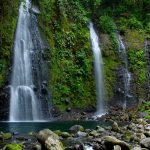
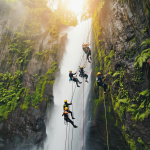
Waterfall tours are the category where Jacó has the clearest competitive advantage over other Costa Rican beach towns. The Central Pacific’s geography creates conditions for dramatic, accessible waterfalls within striking distance of the coast, and guided waterfall trekking here is genuinely world-class when done with the right operator.
What the Experience Actually Involves
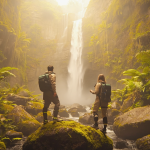
A typical Costa Rica waterfall tour departing from Jacó involves a combination of transport (usually 30–90 minutes depending on the specific destination), a guided trek through primary or secondary rainforest, and arrival at one or more waterfall swimming holes. The trek itself ranges from a 20-minute walk on a well-maintained path to a 2–3 hour moderate hike with river crossings and elevation changes. The experience at the falls typically includes swimming, photography time, and naturalist interpretation from your guide.
The most sought-after waterfall destinations in the Central Pacific region involve trails through intact forest, which means the journey is as valuable as the destination. You’re moving through a functioning rainforest ecosystem, not a manicured park path. Expect wildlife sightings: poison dart frogs, Jesus Christ lizards (basilisks), howler monkeys, and dozens of bird species are common. Guides who know the trail well can dramatically increase your wildlife encounter rate.
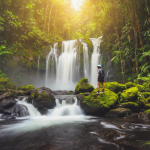
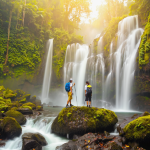
Swimming at the base of a jungle waterfall in 28–32°C water, surrounded by forest, is an experience that photographs well but genuinely delivers in person. This is not one of those Costa Rica activities that looks better in photos than it feels live. The sensory experience, including the sound of cascading water, the mist, the temperature contrast, is remarkable.
Logistics and Timing
Waterfall tours run year-round, but the experience changes meaningfully between seasons. During the dry season (December through April), water levels are lower, trails are easier, and the waterfalls are accessible for longer swimming sessions. During the green season (May through November), water flow is dramatically higher, which creates more dramatic falls but also faster currents, murkier swimming conditions, and occasionally trail closures after heavy rain. Both seasons have their appeal; the green season also means lush, intensely green forest and far fewer crowds.
Full-day waterfall tours typically depart early (between 07:00 and 08:00) and return by mid-afternoon. Half-day options are available and can fit a morning departure if you’re arriving in Jacó the previous evening. Transport from your hotel in Jacó is standard with most reputable operators.
Who Waterfall Tours Are Best For
Waterfall tours are the strongest option for travelers who want a genuinely immersive rainforest experience rather than a beach-and-boat day. They suit:
- Families with children aged 6 and up (many tours have easy-to-moderate trail options)
- Wildlife and nature photographers who want forest access, not just scenic overlooks
- Travelers with limited time who want maximum ecological depth in a single day
- Couples seeking a memorable, intimate experience away from crowds
- Solo travelers joining a small-group guided tour
Honest Weaknesses
Waterfall tours are not ideal for travelers with significant mobility limitations, as even the easier trails involve uneven terrain. They’re also a poor choice if your group has no interest in forest walking and simply wants a day on the water. On very rainy days during the green season, some trail sections become slippery and tours may be modified. The best operators communicate this clearly in advance and have contingency plans.
Isla Tortuga Island Excursions: What You’re Actually Buying
Isla Tortuga is the headline island day trip from the Central Pacific coast, and it’s genuinely beautiful. But there’s a widespread misunderstanding about what this excursion actually is, and clarifying that misunderstanding will save you from booking it for the wrong reasons.
The Isla Tortuga Experience Decoded
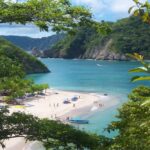
Isla Tortuga sits in the Gulf of Nicoya, roughly 90 minutes by boat from the Puntarenas ferry dock or similar embarkation points accessible from Jacó. The island itself is privately managed and receives a significant volume of day-trippers. The draw is the white sand beach, clear turquoise water, and snorkeling in the surrounding reef areas.
A full-day island excursion typically includes the boat journey (which is part of the experience, especially with dolphin sightings common in these waters), beach time, snorkeling, lunch, and usually some combination of additional activities like kayaking, banana boat rides, or zip-lining on the island. It’s a social, high-energy day with a beach-party atmosphere at peak times.
The snorkeling at Isla Tortuga is genuinely good. The visibility is typically clearer than Pacific beach snorkeling near Jacó itself, and the marine life includes tropical fish, rays, and occasionally sea turtles. However, it’s not on the level of Caribbean-side snorkeling (think Cahuita or Manzanillo in Limón province), and travelers expecting Caribbean-quality reefs may be underwhelmed.
Logistics and What to Expect
From Jacó, reaching Isla Tortuga typically requires transport to the embarkation point, adding to total travel time. This is worth factoring in: the Isla Tortuga day from Jacó is a long one, often 10–12 hours door to door. Departure is early, and if you’re prone to seasickness, the open-water crossing deserves serious consideration. The Gulf of Nicoya is generally calmer than the open Pacific, but swells can be significant.
Costs for Isla Tortuga excursions are generally higher than inland tours due to the boat charter component. All-inclusive pricing (meals, snorkeling gear, activities on the island) is standard, which simplifies budgeting but makes it harder to compare like-for-like with tours that charge separately for add-ons.
Who Island Excursions Are Best For
Isla Tortuga works best for:
- Groups or couples who primarily want a beach day with water activities
- Travelers who have already done inland forest experiences and want something different
- Social travelers who enjoy a lively group-tour atmosphere
- Snorkelers and swimmers comfortable in open water
- Cruise passengers with a full shore excursion day and a preference for scenic over adventurous
Honest Weaknesses
Island excursions offer limited wildlife depth compared to forest-based tours. The ecological experience is primarily visual: beautiful scenery, decent snorkeling, but not the naturalist interpretation or biodiversity encounter that defines the best Jacó day trips. At peak season, the island receives large numbers of visitors simultaneously, which dilutes the “remote paradise” feeling significantly. If you’re expecting a deserted tropical island, manage those expectations before booking. And for travelers who get seasick easily, a long boat crossing each way is a genuine deterrent.
Rainforest Hikes: The Most Misunderstood Option
Rainforest hiking is the most frequently underbooked day trip category out of Jacó, and that’s a genuine mistake. Travelers often choose it as a budget alternative to “more exciting” options, when in reality it offers something none of the other categories can match: time inside a functioning tropical ecosystem with a skilled naturalist guide who can interpret what you’re seeing in real time.
What Separates a Good Rainforest Hike from a Walk in the Woods
The quality difference between a good rainforest hike and a mediocre one comes almost entirely down to the guide. Costa Rica’s rainforests contain extraordinary biodiversity, but most of what makes them remarkable is invisible to the untrained eye. A skilled guide can find a sleeping fer-de-lance coiled under a leaf, identify a three-toed sloth motionless in a cecropia canopy 20 metres up, or explain the mutualistic relationship between leafcutter ants and the fungus they farm underground. Without that interpretation, you’re walking through green and not seeing much.
The Central Pacific rainforest, including the transitional forest zones around Manuel Antonio National Park (about an hour south of Jacó on the Costanera Sur highway) and the primary forest reserves accessible from the Jacó area, supports an extraordinary range of species. Scarlet macaws are a legitimate sighting possibility in this region, not the rarity they are in other parts of the country. White-faced capuchin monkeys, coatis, green iguanas, and multiple species of poison dart frogs are routine encounters on well-guided hikes.
Fitness and Accessibility Reality Check
Rainforest hikes vary enormously in difficulty. Operators offering multi-activity adventure tours in Costa Rica often package a rainforest component with lower-intensity activities, which is a smart structure for mixed-fitness groups. Standalone rainforest hikes can range from flat, 90-minute interpretive walks on established trails to full-day treks covering significant elevation and distance.
The honest truth about rainforest hiking in the Central Pacific is that humidity is the limiting factor for most visitors, not distance or elevation. Walking in 30°C heat at 85% humidity feels significantly more demanding than the same distance would in a temperate climate. Operators who don’t prepare visitors for this reality are setting people up for a harder day than expected. Hydration, starting early (before 09:00 is ideal), and pacing appropriately are non-negotiable.
Who Rainforest Hikes Are Best For
Pure rainforest hike tours are the best fit for:
- Wildlife enthusiasts and birders (the Central Pacific is exceptional for both)
- Photography travelers who want forest light, not just waterfall shots
- Travelers with more than two days in the region who want variety beyond beach activities
- Ecotourism-focused travelers who want interpretive depth and guide expertise
- Groups willing to move slowly and observe carefully
Honest Weaknesses
Rainforest hikes offer less of a “wow moment” for travelers who are primarily experience-driven rather than observation-driven. The payoff is cumulative and intellectual rather than immediate and visual. You won’t have a single dramatic photo that defines the day the way a waterfall does. For travelers who need a clear highlight to anchor the experience, a dedicated rainforest hike can feel anticlimactic if they haven’t calibrated their expectations correctly. The other weakness: trail conditions in the green season can make some routes genuinely challenging, with mud, stream crossings, and insect activity all elevated.
Head-to-Head Comparison: The Full Breakdown
The following table compares all three day trip categories across the factors that matter most to travelers planning day trips from Jacó, Costa Rica. Pricing reflects typical market rates for quality guided tours and will vary by operator and group size.
| Factor | Waterfall Tours | Island Excursions (Isla Tortuga) | Rainforest Hikes |
|---|---|---|---|
| Typical Duration | 5–8 hours | 10–12 hours | 3–7 hours |
| Typical Price Range (USD per person) | $60–$120 | $100–$180 | $45–$90 |
| Physical Demand | Moderate (trail walking, some uneven terrain) | Low–Moderate (boat travel, beach activities) | Moderate–High (depends on route) |
| Wildlife Encounter Quality | ⚠️ Good (forest transit + waterfall ecosystem) | ⚠️ Moderate (marine life, possible dolphins) | ✅ Excellent (with skilled guide) |
| Photography Highlight | ✅ Waterfall + forest shots | ✅ Ocean + island scenery | ⚠️ Wildlife + canopy (requires patience) |
| Kid-Friendly (under 12) | ✅ Yes (easy–moderate options) | ✅ Yes (beach focus, calm water) | ⚠️ Depends on trail difficulty |
| Cruise Passenger Suitability | ✅ Excellent (half-day options available) | ❌ Poor (long transit, full day required) | ✅ Good (flexible duration) |
| Seasickness Risk | ✅ None | ❌ High (long open-water crossing) | ✅ None |
| Best Season | Year-round (dry season for easiest trails) | Dry season (Dec–Apr) preferred | Year-round (green season for lushness) |
| Ecological Depth | ✅ High | ⚠️ Moderate | ✅ Very High |
| Crowd Levels | Low–Moderate | High (especially dry season) | Low |
| Social / Group Energy | Moderate | High (beach party atmosphere) | Low (quiet, observational) |
Multi-Activity Adventure Tours: The Hybrid Option That Changes the Math
Multi-activity adventure tours in Costa Rica deserve their own dedicated analysis because they fundamentally change the comparison equation. Rather than choosing between a waterfall tour, an island excursion, or a rainforest hike, a well-designed multi-activity package delivers two or three of these elements in a single day. And that’s not always a compromise, in some cases, it’s the superior choice.
What Multi-Activity Packages Typically Include
The most common multi-activity structures from Jacó combine:
- Waterfall trekking + canopy zip-lining: Forest travel both at ground level and through the canopy, finishing at a swimming hole. This is the highest-demand combination and suits active travelers who want variety.
- Rainforest hike + waterfall swim: A longer guided forest walk that culminates at a waterfall, offering both wildlife interpretation and the payoff of a swim. This is the best value-per-experience combination for travelers with genuine nature interests.
- ATV/off-road + waterfall: Motor-assisted access to remote forest areas followed by waterfall swimming. Suited for groups where fitness levels vary and everyone wants to reach the same endpoint.
- River kayaking + waterfall: Water-based forest access, combining paddling through forest corridors with waterfall exploration. Less common but exceptional for active travelers.
When Multi-Activity Tours Make More Sense Than Single-Focus Tours
Multi-activity tours make the most sense when:
- Your group has mixed interests. One person wants wildlife, another wants adrenaline, and a third just wants a swim. A well-designed package satisfies all three without forcing compromise.
- You have limited time. If you only have one full day in Jacó, a multi-activity package delivers more experiential breadth than any single-focus tour.
- You’re traveling with varied fitness levels. Packages that combine motorized transport with active components allow everyone to participate regardless of fitness ceiling.
- You want the best Instagram story from a single day. Multiple environments and activities create more visual variety than any single experience.
The Trade-Off That Multi-Activity Tours Can’t Escape
The honest limitation of multi-activity tours is depth. A three-hour guided rainforest experience with a skilled naturalist will yield more wildlife encounters and ecological understanding than a 45-minute forest segment in a multi-activity itinerary. If depth and immersion are your priority, a single-focus tour with a great guide outperforms any package. If breadth and variety are your priority, a multi-activity tour wins.
This trade-off is not a reason to avoid multi-activity packages. It’s a reason to be clear about what you actually want from the day before you book.
The Operator Question: Why Tour Type Is Only Half the Decision
Choosing between waterfall tours, island excursions, and rainforest hikes is necessary, but it’s not sufficient. The operator running your tour determines whether the experience lives up to its category potential. This is especially true for Central Pacific Costa Rica tours, where the gap between excellent and mediocre operators is wide.
What Differentiates Good Operators from Average Ones
Across the Jacó adventure tourism market, the differentiating factors between quality operators and average ones consistently come down to:
- Guide training and naturalist knowledge: A guide who can identify species, explain ecological relationships, and spot wildlife others miss transforms the experience. This is especially critical for rainforest hikes and waterfall tours. Ask specifically about guide credentials and how long guides have worked the routes.
- Group size management: Smaller groups mean more wildlife encounters (large groups create noise and disturbance), better safety supervision, and more personalized guide attention. Quality operators cap group sizes. Be skeptical of any operator who won’t tell you the maximum group size per guide.
- Safety protocols: For waterfall tours specifically, safe swimming zone assessment, life jacket availability for non-swimmers, and communication protocols in case of injury are non-negotiable. A reputable operator will explain these unprompted.
- Transparency about conditions: Good operators tell you what the trail is actually like, what the water temperature will be, and what to expect at the specific waterfall you’re visiting. Vague marketing language (“stunning,” “unforgettable”) without logistical specifics is a red flag.
- Environmental responsibility: Costa Rica’s rich natural environment near Jacó depends on operators who actively minimize their ecological footprint. Look for adherence to Leave No Trace principles, restricted group access to sensitive areas, and guides who actively prevent guests from disturbing wildlife or vegetation.
The CST Certification Factor
Costa Rica’s Certificación para la Sostenibilidad Turística (CST) is the national ecotourism certification program administered by the Instituto Costarricense de Turismo (ICT). A CST rating indicates that an operator has been assessed for environmental management, social impact, and guest experience quality. It’s not a guarantee of the best experience, but it’s a meaningful signal that an operator takes sustainability seriously. When comparing two similar operators, CST certification is a legitimate differentiator.
Reading Reviews the Right Way
Review platforms provide useful signals, but they need to be read critically for tour operators. The most valuable reviews are those that describe specific experiences: what the guide said, how the group was managed, whether the logistics matched what was promised. Generic five-star reviews (“amazing!”, “best day of our trip!”) are less useful than detailed accounts that confirm or deny the specific factors that matter to you. Pay particular attention to reviews from travelers with similar group compositions to yours, since a solo traveler and a family of five will have meaningfully different experiences on the same tour.
Scenario-Based Recommendations: Which Tour Wins for Your Situation
Rather than a generic ranking, the following recommendations are organized by specific traveler scenarios. Match your situation to the recommendation and you’ll have a clear decision framework without second-guessing.
| Your Situation | Recommended Tour Type | Why |
|---|---|---|
| One day in Jacó, want maximum Costa Rica experience | Multi-activity waterfall + forest tour | Best experiential breadth per day; waterfall provides a clear highlight; forest transit adds ecological context |
| Family with kids aged 6–14 | Waterfall tour (easy–moderate trail) | Clear payoff (swimming at the falls) keeps kids engaged; wildlife sightings add excitement; duration is manageable |
| Cruise passenger with 6–8 hours ashore | Waterfall tour (half-day) | Timing fits shore excursion window; no risk of missing ship departure; delivers a genuine Costa Rica experience vs. beach shopping |
| Couple seeking a romantic, memorable day | Waterfall tour (private or small group) | Intimate setting; low-crowd waterfall environments; photography is easy and results are exceptional |
| Solo traveler who wants social energy | Island excursion or group waterfall tour | Both formats create natural group interaction; island excursions are more social; waterfall tours offer better ecological value |
| Wildlife and birding enthusiast | Rainforest hike (skilled naturalist guide) | Maximizes time in forest habitat; guide selection is critical; early morning departure strongly recommended |
| Travelers prone to seasickness | Waterfall tour or rainforest hike | Completely land-based; no boat crossings; Isla Tortuga is not an option for this group |
| Group trip with mixed fitness levels | Multi-activity tour with motorized component | ATV or vehicle access to waterfall means everyone reaches the destination regardless of fitness; active members get trail time |
| Budget-conscious traveler wanting maximum value | Rainforest hike or waterfall tour | Both deliver exceptional ecological experience at lower price points than island excursions; no boat charter costs |
| Corporate group seeking team-building | Multi-activity adventure tour | Multiple activity types create natural team interaction; shared challenge (hike, swim) builds cohesion; variety keeps large groups engaged |
Green Season vs. Dry Season: How Timing Changes the Comparison
Season timing has a significant and often underestimated effect on which jaco day trips make the most sense. The comparison changes meaningfully depending on when you’re visiting, and a tour that’s exceptional in one season can be limiting in another.
Dry Season (December through April)
During the dry season, Jacó receives the majority of its international tourists. Trails are drier and easier to navigate. Waterfall flow is lower but swimming conditions are calmer and clearer. Island excursions benefit from calmer seas and better visibility for snorkeling. Crowd levels at popular destinations increase significantly, meaning Isla Tortuga in particular can feel congested. Waterfall destinations with good operators typically manage group size well, maintaining a quality experience even at peak visitor volumes.
Dry season is the easiest time to do any of the three tour categories, and the most forgiving for less experienced travelers. It’s also when early booking matters most: popular tours, especially private and small-group waterfall tours, book out weeks in advance during January through March.
Green Season (May through November)
The green season transforms the forest landscape dramatically. Vegetation is intensely lush, waterfalls run with significantly more volume and power, and wildlife activity increases as the forest comes alive. For waterfall photography specifically, the green season delivers more dramatic images: full-flow falls, mist-heavy air, and saturated green surroundings.
The practical trade-offs are real: trails are muddier and require better footwear, afternoon rain is almost guaranteed (plan for morning tours), and some trail routes may be temporarily closed after heavy rainfall. For island excursions, ocean conditions can be rougher, making the crossing less comfortable. Rainforest hikes are arguably at their best in the green season for wildlife and vegetation, with the caveat that insect activity (including mosquitoes) is higher.
Green season pricing is generally lower, crowds are thinner, and the sense of having the forest to yourself is much stronger. For travelers with flexibility, a green-season waterfall tour or rainforest hike often delivers more for less.
Practical Booking Considerations Travelers Often Overlook
Beyond the tour type itself, several logistical factors affect the quality of your day. These are the details that experienced travelers consider and first-timers often don’t.
What to Wear and Bring
For waterfall tours and rainforest hikes, footwear is the single most important equipment decision. Closed-toe water shoes or trail sandals with ankle support outperform flip-flops and regular sneakers on wet, uneven terrain. Quick-dry clothing is standard. A small dry bag for your phone and camera is worth its weight. Bring a 2-litre water bottle minimum, even if the tour includes water stops.
For island excursions, reef-safe sunscreen is both an environmental necessity and a requirement at many managed island destinations. Rashguards provide better sun protection than sunscreen alone for a full day on the water. Leave valuables at the hotel; secure storage on boats is limited.
Hotel Pickup and Transport Logistics
Most reputable operators in Jacó offer hotel pickup as part of the tour package. Confirm pickup time and location in writing when you book. For early-morning departures (common with both waterfall tours and island excursions), this means having gear ready and breakfast sorted before pickup, often by 07:00 or 07:30. Operators that provide clear pre-tour communication about exactly what to expect at each stage are generally more organized overall.
Tipping Culture and Expectations
Tipping guides is customary and meaningful in Costa Rica’s tour industry. For a quality guide on a full-day tour, $10–$20 USD per person is an appropriate range. For an exceptional naturalist guide who significantly enhanced your wildlife encounters, erring toward the higher end is appropriate. Guides on island excursions and multi-activity tours typically receive tips from the group collectively; some operators facilitate this at the end of the day.
Frequently Asked Questions About Jacó Day Trips
How far are the main waterfall destinations from Jacó?
Most guided waterfall destinations accessible from Jacó are within 30–90 minutes by vehicle. The exact distance depends on the specific waterfall and the route. Operators include transport as part of the tour, so travel time doesn’t require separate planning. Some of the most spectacular falls are accessed via dirt roads that require 4WD vehicles, which reputable operators provide.
Are waterfall tours safe for non-swimmers?
Yes, with the right operator. Quality tour operators provide life jackets for non-swimmers at swimming holes and maintain clear safety zones. The swimming areas at most guided waterfall destinations are calm pools rather than fast-moving currents. Communicate your swimming ability to your operator when booking, and confirm that safety equipment is provided.
Can children under 6 join waterfall tours or rainforest hikes?
It depends on the specific tour and operator. Some waterfall tours have short, easy trail sections suitable for young children who are comfortable on uneven ground. Others involve longer or more challenging hikes. Contact the operator directly with your child’s age and confirm trail difficulty before booking. Island excursions are generally the most accessible for very young children due to minimal physical demands.
Is it worth doing a day trip to Manuel Antonio National Park from Jacó?
Manuel Antonio is about an hour south of Jacó on the Costanera Sur highway and is one of Costa Rica’s most visited national parks. A day trip there is viable and offers exceptional wildlife density (it’s one of the most reliable places in the country to see white-faced capuchins, sloths, and scarlet macaws). However, it’s a different experience from a guided waterfall tour: Manuel Antonio is a national park with marked trails, not a wilderness adventure. Both are worth considering depending on your priorities.
What’s the best time of day to do a waterfall tour?
Morning departures are strongly preferred. Forest is coolest in the first hours of the day, wildlife is most active in morning hours, and you avoid afternoon rain (common in the green season) while on the trail. Aim for tours that depart before 08:00 and plan to be back from the waterfall by early afternoon.
Do I need travel insurance for adventure tours in Jacó?
Travel insurance that includes adventure activity coverage is strongly recommended for any outdoor tour in Costa Rica. Standard travel insurance policies often exclude activities categorized as “adventure sports.” Before your trip, confirm with your insurer that waterfall trekking, zip-lining, and similar activities are covered under your policy. Reputable operators carry liability insurance, but personal medical coverage is your own responsibility.
How do I know if a tour operator is reputable?
Look for operators with verifiable reviews on major platforms, clear communication about logistics and safety, guide credentials you can ask about, and transparent pricing with no surprise add-on costs. CST certification from Costa Rica’s ICT is a positive signal. Operators who respond quickly and specifically to pre-booking questions are generally more organized on the day of the tour.
Is Isla Tortuga worth the price compared to other Jacó day trips?
Isla Tortuga is a genuinely beautiful destination and worth doing if a beach-and-ocean day is what you want. However, it is the most expensive Jacó day trip category and the longest in total hours. For travelers who prioritize ecological depth, wildlife, and immersive nature experiences over beach scenery, waterfall tours and rainforest hikes offer better value per dollar and per hour.
Can I do a half-day waterfall tour and still have afternoon beach time in Jacó?
Yes. Half-day waterfall tours that depart at 07:00 or 07:30 typically return to Jacó by noon or 13:00, leaving a full afternoon for beach time, surfing, or other activities. This combination is popular and genuinely enjoyable: active morning in the forest, relaxed afternoon on the beach.
What’s the difference between a guided waterfall tour and just hiking to a waterfall independently?
Independent access to the best waterfall destinations in the Central Pacific region is often restricted, unmarked, or genuinely difficult to navigate without local knowledge. The quality of the trail experience improves dramatically with a skilled naturalist guide who can identify wildlife, interpret the ecosystem, and manage safety at the swimming holes. Beyond logistics, independent hiking removes the wildlife encounter advantage that defines the best guided tours. For most travelers, the guided experience is not just more convenient, it’s substantively better.
Are there waterfall tours suitable for older adults or travelers with limited mobility?
Some operators offer lower-intensity waterfall experiences with shorter, more accessible trail sections. These tours sacrifice some of the remote, dramatic feel of harder-to-reach waterfalls, but deliver the core experience of a rainforest waterfall swim with less physical demand. Ask operators specifically about trail gradient, surface type, and approximate walking distance when booking for older adults or those with mobility concerns.
How do multi-activity adventure tours compare in price to single-focus tours?
Multi-activity packages are typically priced higher per person than single-activity tours, but they often represent better value when calculated per activity. A package combining zip-lining, waterfall trekking, and forest hiking at $120–$150 per person compares favorably to booking each activity separately. The price premium is justified for travelers who want variety; single-focus tours remain the better choice for travelers who want depth in one experience rather than breadth across several.
Key Takeaways
- Waterfall tours are the best all-around day trip from Jacó for most traveler types: they deliver ecological depth, a clear dramatic payoff, family accessibility, and manageable logistics in 5–8 hours.
- Island excursions are the right choice for ocean-focused travelers who want a beach-and-snorkeling day and are comfortable with a long boat crossing. They’re the most expensive and time-intensive option, and not suitable for travelers prone to seasickness.
- Rainforest hikes offer the deepest wildlife experience but require a skilled naturalist guide to unlock their full potential. They’re the best option for birders, wildlife enthusiasts, and ecotourism-focused travelers.
- Multi-activity adventure tours are the best solution for mixed groups and travelers with only one day in the region who want maximum experiential breadth.
- Operator quality matters as much as tour type. The same category of tour can deliver radically different experiences depending on guide expertise, group size management, and safety protocols.
- Season timing changes the comparison. Dry season (December–April) is easiest for all tour types. Green season (May–November) offers dramatic waterfall flow, lush forest, and fewer crowds, with the trade-off of muddier trails and afternoon rain.
- For cruise passengers and time-constrained travelers, half-day waterfall tours are the most time-efficient way to experience authentic Costa Rican nature without sacrificing other priorities.
Ready to Book the Right Jacó Day Trip?
Every comparison in this guide points toward one consistent finding: when it comes to combining accessibility, ecological depth, photographic impact, and genuine adventure, guided waterfall tours from Jacó deliver the most complete experience for the widest range of travelers. The forest journey, the wildlife encounters, and the payoff of swimming at a jungle waterfall in the middle of Costa Rica’s Central Pacific rainforest is not something that needs qualification. It is, straightforwardly, one of the best days you will have in this country.
Costa Rica Waterfall Tours operates out of Jacó with five-star reviewed tours designed for exactly the kind of immersive, expert-guided adventure this article has been describing. Whether you’re traveling as a couple, a family, a group, or a solo adventurer, their team can match you to the right experience for your fitness level, timeline, and interests.
Browse and book your Jacó adventure tour here and arrive at your waterfall knowing you chose the right experience from the start.
About the author
Costa Rica Waterfall Tours Editorial Team · Editorial Team
Book Your Guided Waterfall Adventure