Every year, 25% of tours in Jacó experience cancellations or early stops due to inadequate preparation and hydration. Many thrill-seekers arrive without the physical readiness or gear knowledge needed for waterfall canyoning, turning potential adventures into frustrations. This guide walks you through every step of planning your Jacó waterfall tour, from fitness prerequisites and selecting certified operators to safety protocols and common mistakes, ensuring you maximize excitement while minimizing risk.
Table of Contents
- Choosing The Right Tour Operator
- Planning Your Tour Timeline And Budget
- Safety Guidelines And Best Practices
- Common Mistakes And Troubleshooting
- Alternative Approaches And Tradeoffs
- Expected Tour Outcomes And Adventure Maximization
- Plan Your Ultimate Waterfall Adventure With Costa Rica Waterfall Tours
- FAQ
Key Takeaways
| Point | Details |
|---|---|
| Physical fitness and proper gear are prerequisites | Moderate hiking and balance plus helmet, harness, wetsuit, and canyon shoes are mandatory before booking. |
| Certified guides reduce injuries by over 70% | Guided tours reduce canyoning injuries significantly compared to self-guided hikes. |
| Tour timing in dry season improves safety | December to April offers the best trail conditions and reduces weather-related cancellations. |
| Hydration and weather awareness prevent failures | Failed hydration alone causes one in four tour incidents, while ignoring forecasts adds unnecessary risk. |
| Selecting reputable operators ensures better experiences | Operators like Costa Rica Waterfall Tours provide certified guides, included gear, and proven safety records. |
Introduction and Prerequisites
Before you book your waterfall tour in Jacó, understanding the physical and equipment demands saves you from disappointment and danger. Waterfall canyoning isn’t a casual stroll. You need moderate hiking and balance abilities to navigate rocky terrain, slippery surfaces, and vertical descents. If you haven’t hiked in months or struggle with balance, start building stamina now.
Safety gear is non-negotiable. Every reputable tour requires a helmet to protect your head during rappels, a harness for secure descents, a wetsuit to guard against cold water and abrasions, and canyon shoes with grip for wet rocks. Some operators provide all equipment, while others expect you to bring your own. Either way, every piece must meet safety standards. Renting from your tour company often ensures proper fit and certification.
Weather seasonality dramatically impacts your experience. Jacó’s dry season runs from December to April, offering stable trail conditions and minimal rain. Wet season tours face higher cancellation rates due to flash floods and unstable footing. If you want reliability and comfort, plan your Costa Rica waterfall tour during these prime months.
Pro Tip: Test your gear before tour day. Wear your hiking boots on a short trail to break them in and confirm they grip well on wet surfaces.
Key preparation steps include:
- Build cardiovascular endurance through regular hiking or stair climbing
- Practice balance exercises like single-leg stands or yoga poses
- Confirm all safety equipment fits properly and shows no wear or damage
- Schedule your tour during dry season for optimal conditions
- Arrive hydrated and well-rested on tour day
Being physically and gear-prepared reduces injury risks and increases your chances of completing the tour with maximum enjoyment. Skipping these prerequisites is the fastest way to turn adventure into regret.
Choosing the Right Tour Operator
Your tour operator determines whether your waterfall adventure becomes a thrilling memory or a dangerous mistake. Certified guides hold the expertise to navigate terrain, execute safe descents, and respond to emergencies. Guided tours reduce canyoning injuries by over 70% compared to self-guided attempts in Costa Rica, making professional guidance essential rather than optional.
When evaluating operators, prioritize safety records and certifications. Look for companies that openly share guide credentials, equipment inspection schedules, and customer injury statistics. Costa Rica Waterfall Tours stands out by offering certified guides, included safety gear, and a track record of successful tours without major incidents. Their team trains continuously in rescue techniques and first aid, ensuring readiness for any situation.
Compare operator offerings before booking. Some companies cut costs by using outdated equipment or hiring uncertified staff. Others charge premium prices but deliver exceptional safety and personalized attention. The table below highlights key factors:
| Factor | Reputable Operators | Budget Operators |
|---|---|---|
| Guide Certification | Full credentials and ongoing training | Minimal or none |
| Equipment Quality | Inspected, certified, replaced regularly | Older gear, infrequent checks |
| Safety Briefings | Comprehensive, mandatory | Brief or skipped |
| Injury Rates | Near zero with proper adherence | Significantly higher |
| Customer Satisfaction | 90%+ positive reviews | Mixed or negative feedback |
Booking with a trusted Costa Rica Waterfall Tours operator prevents pitfalls from informal guides who lack insurance or emergency protocols. Informal operators may offer lower prices, but they often skip crucial safety steps that protect you.
Pro Tip: Read recent reviews focusing on safety, not just fun. Comments about thorough briefings and cautious guides signal a company that prioritizes your wellbeing.
Key selection criteria:
- Verify guide certifications through operator websites or direct inquiry
- Confirm all safety equipment is included in the tour price
- Check online reviews for mentions of safety protocols and guide professionalism
- Ask about maximum group sizes to ensure adequate guide attention
- Choose the right tour operator who demonstrates transparency about their safety practices
Avoid self-guided hikes. They carry 50% higher injury rates and lack the emergency support that can save your life in a crisis.
Planning Your Tour Timeline and Budget
Understanding tour duration and costs helps you allocate time and money effectively. Typical waterfall tours last 3-5 hours, with some half-day options extending to six hours when transportation is included. Factor in travel time from your accommodation to the tour starting point, usually adding another hour each way.
Budget expectations vary based on group size and included services. Most tours range from $70 to $150 per person. Lower prices often mean larger groups with less individual attention. Higher prices typically include smaller groups, premium equipment, and additional activities like ziplining or ATV rides. If you don’t own safety gear, rental costs are usually included, but confirm this when booking.
Timing your tour during dry season not only aids safety but also enhances enjoyment. Trails are less muddy, waterfalls flow at manageable volumes, and you spend less time waiting for weather clearance. Wet season tours may cost slightly less due to lower demand, but the risk of cancellations makes dry season the smarter investment.
Waterfall tour options and pricing vary by operator and package. Standard packages include basic canyoning with one or two waterfall rappels. Premium packages add multiple waterfalls, swimming holes, and combo activities. Choose based on your fitness level and budget.
Pro Tip: Book midweek tours for smaller crowds and potentially lower prices. Weekends attract more tourists, leading to rushed experiences and higher costs.
Budgeting considerations:
- Base tour cost: $70-$150 per person depending on package
- Transportation: $10-$30 if not included in tour price
- Meals and snacks: $15-$25 for post-tour food and hydration
- Tips for guides: $10-$20 per person for exceptional service
- Emergency fund: $50 for unexpected expenses or medical needs
Plan your daily schedule to include pre-tour preparation, the tour itself, and post-tour recovery. Avoid booking strenuous activities immediately before or after your waterfall tour. Your body needs rest to perform safely and enjoy fully.
Safety Guidelines and Best Practices
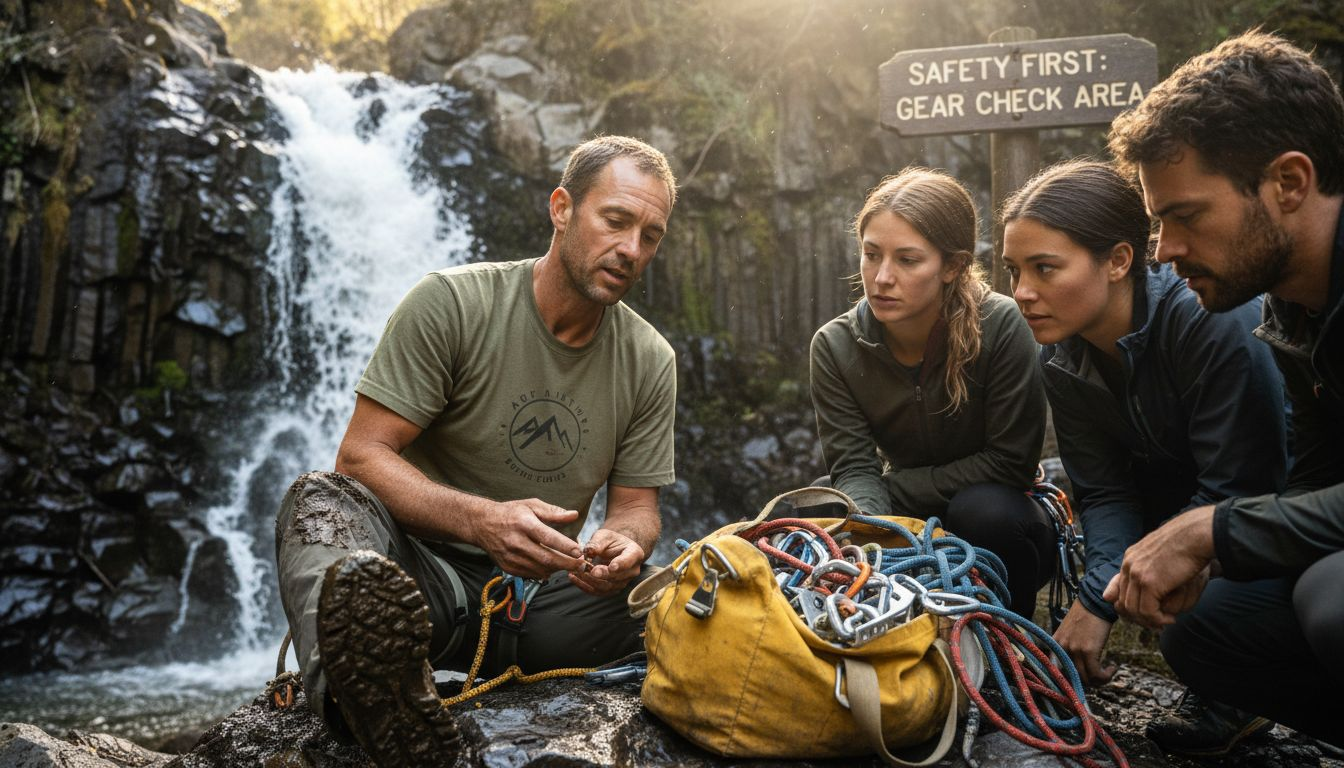
Following safety procedures transforms waterfall canyoning from risky to rewarding. Every reputable operator begins with a mandatory safety briefing covering equipment use, hand signals, and emergency protocols. Mandatory safety briefings and professional guidance reduce injuries by over 70%. Never skip this step or treat it casually. Ask questions if anything is unclear.
Wear and use all provided safety equipment exactly as instructed. Your helmet protects against falling rocks and head impacts during slips. Your harness must be secured tightly enough to hold your weight but comfortable enough to wear for hours. Check buckles and carabiners before every descent. Your wetsuit prevents hypothermia in cold waterfall pools, and your canyon shoes provide the grip needed on slick surfaces.
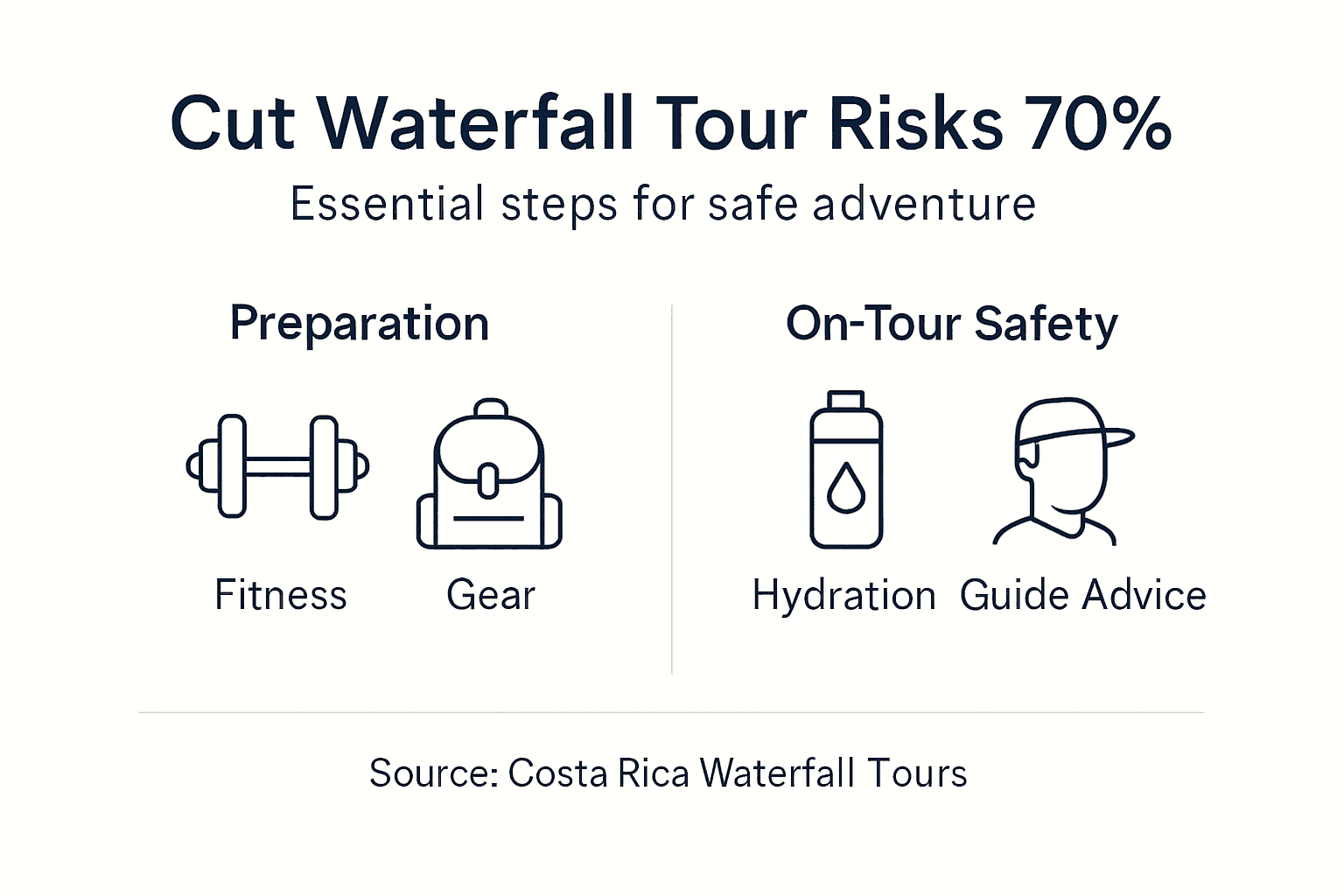
Hydration is critical. Dehydration causes fatigue, poor judgment, and muscle cramps, all of which increase injury risk. Drink water before your tour starts, during breaks, and after completion. Guides provide water stations at regular intervals, but bring your own bottle as backup.
Weather awareness prevents dangerous situations. Even during dry season, sudden rain can raise water levels rapidly. If your guide calls for an early end due to weather changes, accept it without argument. Their experience reading conditions keeps you alive. Canyoning safety tips emphasize trusting your guide’s judgment.
Descending techniques require attention and practice. Listen when guides demonstrate proper foot placement, rope grip, and body positioning. Lean back into your harness during rappels rather than hunching forward. Keep your feet shoulder-width apart for stability. Move slowly and deliberately. Rushing causes slips.
Pro Tip: If you feel uncertain mid-descent, stop and call your guide. They can adjust your position or provide additional instruction. Never push through fear or confusion.
Follow these steps for maximum safety:
- Attend the full safety briefing and ask clarifying questions
- Double-check all equipment before leaving base camp
- Stay hydrated by drinking water every 30 minutes
- Monitor weather and communicate concerns to your guide
- Use demonstrated descending techniques exactly as shown
- Maintain group spacing to avoid collisions during rappels
- Signal immediately if you experience pain or equipment issues
For extreme canyoning safety guidelines, additional measures include backup ropes and advanced rescue training. Even standard tours benefit from knowing where guides carry first aid supplies and communication devices. Waterfall and canyoning tours safety advice stresses that preparation and vigilance work together to create memorable adventures without injuries.
Common Mistakes and Troubleshooting
Avoiding frequent pitfalls keeps your tour on track. Ignoring hydration needs causes one in four tour failures, making it the most preventable problem. Many travelers assume the excitement will carry them through, but your body needs water to function. Dehydration leads to dizziness, weakness, and poor decision-making. Drink before you feel thirsty.
Underestimating physical effort is another common error. Waterfall canyoning demands sustained energy for hiking uphill, climbing over boulders, and controlling your descent speed. If you arrive exhausted from other activities or lack basic fitness, you risk injury and early tour termination. Train beforehand rather than hoping adrenaline compensates.
Failing to heed weather forecasts results in unsafe conditions and cancellations. Failed hydration and ignoring weather conditions contribute to 25% and 15% of tour incidents respectively. Check forecasts the day before and morning of your tour. If heavy rain is predicted, reschedule rather than gambling with flash floods.
Stopping immediately when fatigued or unsure is critical for safety. Pride drives many people to continue when their body signals stop. This leads to falls, sprains, and worse. Your guide expects you to communicate discomfort. They prefer a safe early exit over an injury requiring evacuation.
Avoiding uncertified guides or self-guided hikes reduces risks dramatically. Some travelers attempt waterfall descents without professional support to save money or seek solitude. The 50% higher injury rate proves this false economy. Equipment failure, route confusion, and lack of rescue capability make solo attempts dangerous.
Pro Tip: Pack electrolyte tablets or sports drinks in addition to water. They replace salts lost through sweating and prevent cramping better than plain water alone.
Mistakes to avoid:
- Arriving dehydrated or drinking only coffee before the tour
- Skipping breakfast or eating heavy foods that cause sluggishness
- Wearing cotton clothing that stays wet and causes chafing
- Ignoring guide instructions to speed up or take shortcuts
- Bringing phones or cameras without waterproof cases
- Failing to communicate fear, pain, or equipment problems promptly
Avoid common waterfall tour mistakes by preparing thoroughly and listening actively. If you recognize a mistake mid-tour, alert your guide immediately. They can adjust the route, provide additional support, or help you exit safely. Most problems have simple solutions when caught early.
Alternative Approaches and Tradeoffs
Guided waterfall tours offer professional safety and higher satisfaction, but alternatives exist with different tradeoffs. Self-guided hikes cost less since you skip guide fees and avoid group scheduling. You gain flexibility to explore at your own pace and choose your own routes. However, self-guided waterfall hikes exhibit a 50% higher injury rate compared to expert-guided tours. Without professional knowledge of safe descents, weather patterns, and rescue protocols, you face serious risks.
Multi-activity adventure combos increase thrill and value by packaging waterfall tours with ziplining, ATV rides, or horseback riding. These packages cost more upfront but deliver varied experiences in a single day. You maximize adventure without multiple bookings. The tradeoff is physical exhaustion. Back-to-back activities strain your body more than spreading them across days.
Compare waterfall tour types to understand what each approach offers:
| Approach | Cost | Safety | Experience Quality | Best For |
|---|---|---|---|---|
| Guided Tour | $70-$150 | Highest | Professional, comprehensive | Most travelers |
| Self-Guided | $0-$30 | Lowest | Variable, risky | Experienced climbers only |
| Multi-Activity Combo | $150-$250 | High | Exciting but exhausting | Fit thrill-seekers |
| Private Guided Tour | $200-$400 | Highest | Personalized, flexible | Families or small groups |
Cost, safety, and experience quality must be balanced according to your profile. Budget-conscious travelers tempted by self-guided options should weigh savings against injury costs and lost vacation time. First-time canyoners benefit most from standard guided tours that teach proper techniques. Experienced adventurers seeking maximum adrenaline might choose extreme canyoning packages with multiple rappels.
Pro Tip: If choosing a multi-activity combo, schedule less strenuous activities before the waterfall tour. Your legs and arms will fatigue during canyoning, making ziplining or ATV riding harder afterward.
Key tradeoffs to consider:
- Lower cost vs. higher safety risk when comparing guided and self-guided options
- Group tour social experience vs. private tour personalization and pace control
- Single activity focus vs. multi-activity variety and time efficiency
- Peak season reliability vs. off-season potential deals and smaller crowds
Adventure tour tradeoffs reflect personal priorities. Some travelers value affordability above all, while others prioritize safety or unique experiences. Honest self-assessment of fitness, risk tolerance, and adventure goals leads to the right choice for your situation.
Expected Tour Outcomes and Adventure Maximization
Successful waterfall tours combine physical challenge with breathtaking scenery and controlled thrills. Average tour duration is 3-5 hours with strong satisfaction when participants follow safety procedures and prepare adequately. You can expect moderate physical demands including uphill hiking, rock scrambling, and rappelling down waterfalls ranging from 15 to 60 feet high.
Typical tour highlights include waterfall rappelling where you descend vertical rock faces with water rushing over you, canyon views showcasing Costa Rica’s lush rainforest ecosystem, and swimming opportunities in natural pools at waterfall bases. The combination creates an immersive nature experience impossible to replicate elsewhere.
Safety adherence leads to near-zero injury rates and high satisfaction scores. Tours that follow protocols see over 95% completion rates without incidents. Participants who hydrate properly, follow guide instructions, and maintain appropriate fitness levels report overwhelmingly positive experiences. Physical preparation and choosing the right tour optimize enjoyment by matching challenge level to capability.
Multi-activity packages enhance adventure value and confidence by exposing you to varied Costa Rican landscapes and activities. A morning waterfall tour followed by afternoon ziplining provides contrast between water-based and aerial thrills. The varied physical demands prevent repetitive strain while maintaining high excitement.
Pro Tip: Bring a waterproof camera or GoPro to capture rappelling moments. Most operators allow photography during breaks but prohibit devices during active descents for safety.
Expected outcomes include:
- 3-5 hours of active adventure with minimal downtime
- 2-4 waterfall rappels ranging from beginner to intermediate difficulty
- Swimming and relaxation breaks in natural pools
- Wildlife sightings including birds, butterflies, and occasional monkeys
- Post-tour muscle soreness typical of moderate exercise
- Lasting memories and photos of unique Costa Rican landscapes
Maximize your waterfall tour experience by arriving physically prepared, mentally open to challenge, and trusting your guide’s expertise. Your outcome depends heavily on attitude and preparation. Those who embrace the adventure mindset while respecting safety boundaries achieve the best balance of thrill and security.
Plan Your Ultimate Waterfall Adventure with Costa Rica Waterfall Tours
Now that you understand how to prepare, select operators, and execute safe waterfall tours, take action with Costa Rica Waterfall Tours. This trusted local company offers certified guides and included safety gear, eliminating the equipment and expertise guesswork. Choose from multiple tour types and difficulty levels to match your fitness and thrill preferences, whether you want beginner-friendly single waterfall rappels or extreme multi-descent canyoning.
Comprehensive safety briefings and expert guides reduce risk during your adventure, delivering the 70% injury reduction that professional guidance provides. Multi-activity packages let you combine waterfall tours with ziplining, ATV rides, and other adventures, maximizing your time in Jacó. Explore our waterfall tour options to find the perfect package for your group.
Booking online with Costa Rica Waterfall Tours ensures top-rated service backed by years of local expertise. Discover essential tour info including what to bring, fitness requirements, and seasonal recommendations. When you’re ready to transform planning into action, book your Jacó adventure now and secure your spot on an unforgettable Costa Rican waterfall experience.
FAQ
What safety gear is mandatory for Costa Rica waterfall tours?
Helmet, harness, wetsuit, and canyon shoes are mandatory for safety during canyoning tours. These items protect you from head injuries, secure you during rappels, guard against cold water, and provide grip on wet surfaces. Gear can often be rented from reputable operators if not personally owned, ensuring proper fit and certification.
When is the best season to book waterfall tours in Jacó?
The dry season from December to April is best for safety and trail conditions. During these months, rainfall is minimal, trails are less muddy, and waterfall flows are manageable. Avoid heavy rain seasons to reduce cancellations and hazards like flash floods or unstable footing.
How do I choose a reputable waterfall tour operator in Jacó?
Look for operators with certified guides, strong safety records, and positive customer feedback emphasizing safety protocols. Verify credentials through websites or direct inquiry, and confirm all equipment is included. Costa Rica Waterfall Tours is a recommended, trusted local operator with full certifications and proven track records.
What should I expect physically on a typical waterfall tour?
Tours involve moderate hiking, balance challenges, and canyoning that require reasonable fitness levels. You’ll hike uphill on uneven terrain, navigate slippery rocks, and control your descent speed during rappels. Physical preparation through cardiovascular exercise and balance training helps avoid exhaustion and ensures a smoother, more enjoyable experience.