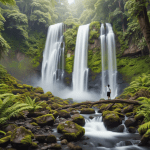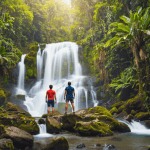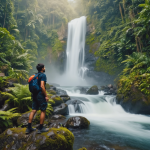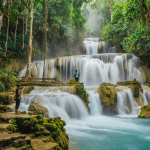
Many assume waterfall trekking is reserved for elite climbers, but this multi-activity adventure welcomes participants with moderate fitness and proper guidance. Combining hiking, swimming, climbing, and rappelling near waterfalls, this thrilling outdoor pursuit has become Costa Rica’s fastest-growing adventure tourism activity, offering both physical challenge and unmatched natural immersion.
Table of Contents
- Introduction To Waterfall Trekking
- How Waterfall Trekking Works: Techniques And Safety
- Waterfall Trekking Vs Canyoning: Understanding The Difference
- Waterfall Trekking In Costa Rica’s Jacó Region
- Common Misconceptions About Waterfall Trekking
- Choosing The Best Waterfall Trekking Tour In Costa Rica
- What To Expect On A Waterfall Trekking Tour
- Explore Waterfall Trekking Adventures With Costa Rica Waterfall Tours
- Frequently Asked Questions
Key takeaways
| Point | Details |
|---|---|
| Multi-activity adventure | Waterfall trekking blends hiking, climbing, swimming, and rappelling near waterfalls for a comprehensive outdoor experience. |
| Safety is paramount | Professional guides and specialized gear ensure safe participation for adventurers of varying skill levels. |
| Costa Rica leads globally | The Jacó region offers premier waterfall trekking with biodiversity, expert operators, and sustainable practices. |
| Distinct from canyoning | Waterfall trekking emphasizes varied terrain exploration while canyoning focuses on vertical rope descents. |
| Accessible to beginners | Tours accommodate first-timers with proper instruction, equipment, and graduated difficulty options. |
Introduction to waterfall trekking
Waterfall trekking merges multiple outdoor disciplines into one immersive adventure. Participants navigate rugged trails, wade through rivers, scale rock faces, and rappel down cascading water features. This hybrid activity demands physical exertion while rewarding you with stunning scenery and adrenaline rushes.
The sport’s appeal lies in its dual nature. You face tangible physical challenges that test endurance and mental resolve. Simultaneously, you experience pristine ecosystems and dramatic landscapes inaccessible through conventional hiking. This combination attracts both hardcore adventure seekers and nature enthusiasts wanting something beyond standard trails.
Costa Rica has emerged as a global hotspot for waterfall trekking. The country’s dense rainforests, volcanic terrain, and abundant waterfalls create ideal conditions. Adventure tourism growth has fueled professional guide services and infrastructure improvements, making formerly remote locations safely accessible.
Successful participation requires moderate fitness levels and basic swimming ability. You’ll navigate slippery rocks, hike uphill sections, and potentially swim through pools. Most tours span 3 to 5 hours, demanding sustained physical effort. However, operators offer varying difficulty levels, ensuring options for different capabilities.
How waterfall trekking works: techniques and safety
Waterfall trekking integrates distinct technical skills. Rappelling involves descending vertical or near-vertical surfaces using ropes and friction devices. You lean back into your harness while walking down wet rock faces alongside rushing water. River trekking requires careful foot placement on submerged stones while managing current forces. Climbing sections demand upper body strength and balance as you scale boulders or cliff edges. Swimming segments test your comfort in natural water bodies with varying depths and temperatures.
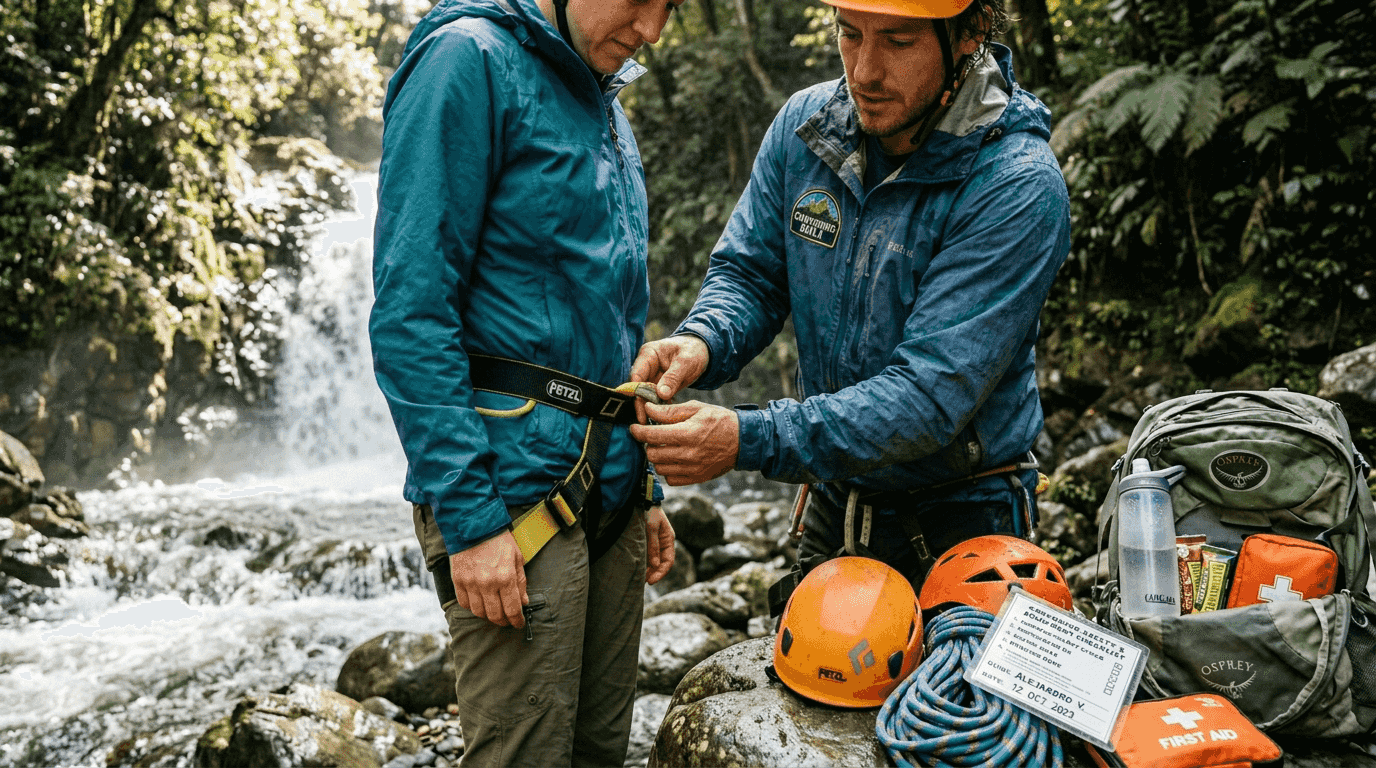
Safety protocols form the foundation of responsible waterfall trekking. Trained guides conduct pre-trek briefings covering hand signals, emergency procedures, and group coordination. They assess weather conditions and water levels before departing. Guides carry first aid equipment and communication devices for emergencies. Group sizes remain manageable to ensure adequate supervision.
Essential equipment includes:
- Helmets protecting against falling rocks and head impacts during slips
- Full-body harnesses distributing weight during rappels
- Wetsuits providing thermal protection in cool mountain water
- Specialized footwear with aggressive tread for wet traction
- Dynamic safety ropes rated for adventure applications
Physical fitness levels should include endurance, strength, and swimming competence for tours lasting 3 to 5 hours. Cardiovascular conditioning helps manage steep ascents. Upper body strength assists with climbing and rope work. Core stability improves balance on uneven surfaces. Swimming proficiency ensures comfort during water crossings.
Before booking, review waterfall safety guide costa rica protocols for comprehensive preparation.
Pro Tip: Practice basic swimming in open water and hike with a weighted backpack for two weeks before your trek to build specific conditioning and confidence.
Waterfall trekking vs canyoning: understanding the difference
Confusion between waterfall trekking and canyoning stems from their overlapping elements. Both involve water, ropes, and vertical terrain. However, their core focus and physical demands differ significantly.
Waterfall trekking involves a balance of hiking, swimming, and climbing, while canyoning emphasizes vertical descents and rappelling through canyons. Waterfall treks prioritize horizontal movement along rivers and trails with periodic climbing or rappelling. You spend considerable time hiking between features. Canyoning concentrates on descending through narrow gorges using technical rope systems. Multiple rappels form the activity’s centerpiece.
| Aspect | Waterfall Trekking | Canyoning |
|---|---|---|
| Primary focus | Hiking and exploration with varied terrain | Vertical descents and technical rope work |
| Physical demand | Cardiovascular endurance and swimming | Upper body strength and rappelling skill |
| Route type | Rivers, trails, and waterfall approaches | Narrow canyons and gorge systems |
| Technical skills | Basic climbing and rope comfort | Advanced rappelling and anchor management |
| Duration typical | 3 to 5 hours with moderate pace | 4 to 6 hours with intensive rope sections |
Physical preparation differs accordingly. Waterfall trekking requires sustained hiking stamina and swimming comfort. Canyoning demands confidence with heights and rope handling proficiency. Some operators offer combination tours blending both activities for comprehensive experiences.
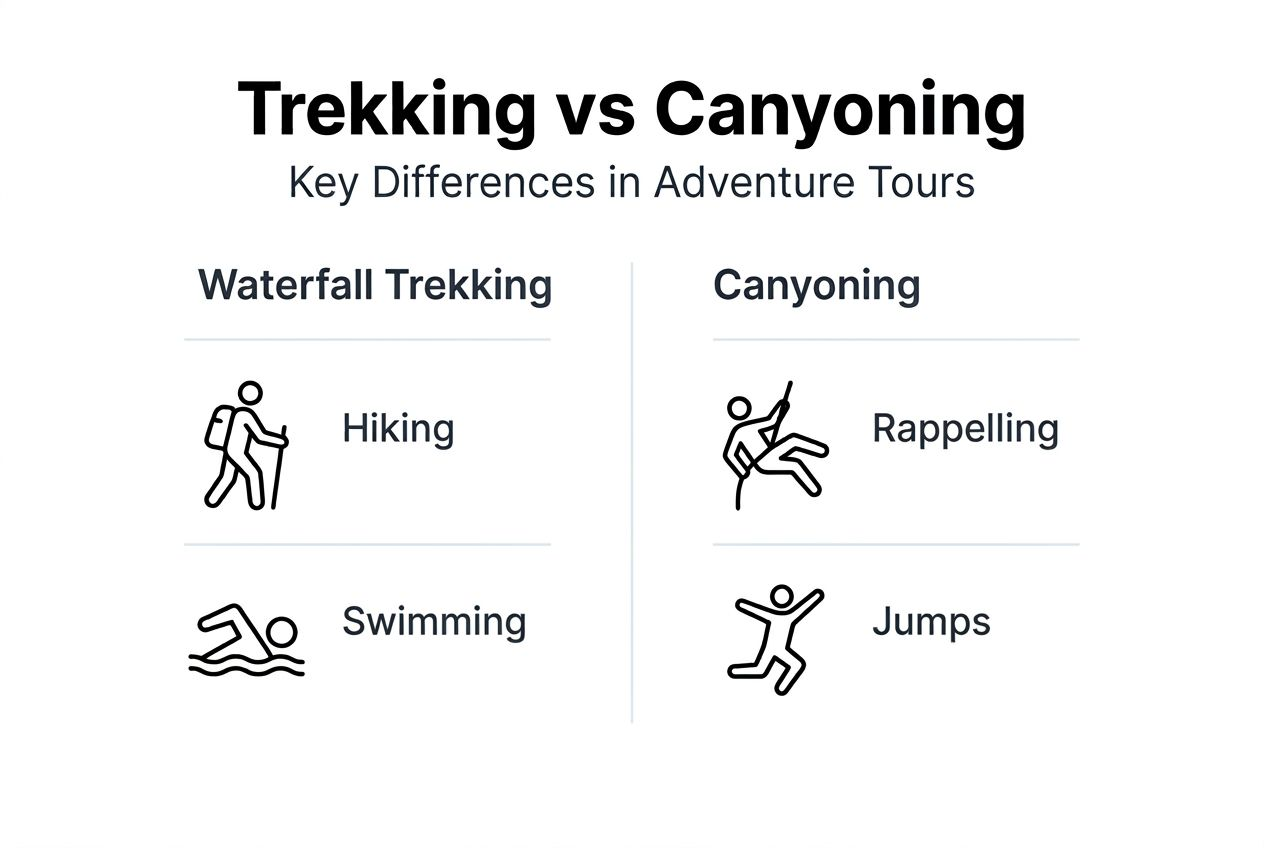
Your choice depends on adventure preferences. Select waterfall trekking for diverse terrain and nature immersion. Choose canyoning for technical challenges and rappelling focus. Beginners often find waterfall trekking more approachable due to its graduated physical demands.
Waterfall trekking in Costa Rica’s Jacó region
Jacó’s geography creates exceptional waterfall trekking conditions. The region sits between coastal lowlands and mountainous rainforest. Rivers descend through volcanic rock formations, creating dramatic cascades. Dense jungle surrounds waterfall sites, hosting monkeys, toucans, and countless plant species. This biodiversity adds educational value to physical adventure.
Costa Rica Waterfall Tours leads the regional industry with expert local guides. Their knowledge of seasonal variations, hidden routes, and wildlife behavior enhances safety and experience quality. Guides share ecological insights about rainforest interdependencies and conservation challenges. This educational component transforms simple adventure into meaningful environmental connection.
Accessibility varies by tour selection. Beginner routes feature shorter distances with gradual elevation changes. Intermediate options include longer hikes and more technical climbing sections. Advanced treks venture into remote areas requiring sustained physical output. This range accommodates families, casual adventurers, and hardcore thrill-seekers within the same region.
About 75% of certified adventure tour companies in Costa Rica follow formal environmental policies for sustainable waterfall trekking. Responsible operators implement:
- Limited group sizes preventing trail erosion and wildlife disturbance
- Waste removal systems ensuring zero-trace visits
- Indigenous land partnerships respecting territorial rights
- Seasonal closures protecting nesting sites and sensitive habitats
Explore costa rica waterfalls tours jaco options tailored to different skill levels. For exclusive experiences, consider private waterfall tours costa rica offerings with customized itineraries.
Pro Tip: Book tours during Costa Rica’s green season (May through November) for fuller waterfalls and fewer crowds, though expect afternoon rain showers requiring flexible scheduling.
Common misconceptions about waterfall trekking
Several myths discourage potential participants from experiencing waterfall trekking. Addressing these misconceptions removes psychological barriers and sets realistic expectations.
Myth one: Only expert climbers can participate. Reality shows that beginner-friendly tours exist with graduated challenges. Guides provide instruction on basic techniques before attempting difficult sections. Safety systems include backup belay lines and guide assistance during technical moves. Physical fitness matters more than climbing experience.
Myth two: Waterfall trekking harms fragile ecosystems. Professional operators prioritize conservation through established trail systems and education. Many tours contribute to local conservation funds. Guides enforce strict leave-no-trace principles. Proper management actually increases environmental awareness among participants who become conservation advocates.
Myth three: Waterfall trekking and canyoning are identical activities. As clarified earlier, these sports differ in focus and technique. Conflating them leads to inappropriate expectations and preparation. Understanding distinctions helps you select the right adventure.
Myth four: Tours lack adequate safety measures. Certified operators maintain rigorous safety standards exceeding recreational norms. Guide certification programs require extensive training in rescue techniques, first aid, and risk assessment. Equipment undergoes regular inspection and replacement cycles.
“Adventure tourism companies in Costa Rica report injury rates below 0.5% for guided waterfall treks, significantly lower than independent hiking due to professional oversight and safety protocols.”
Myth five: Any fitness level suffices for waterfall trekking. While beginner options exist, all tours demand baseline physical capability. You’ll hike uneven terrain, climb short vertical sections, and swim in current. Honest self-assessment prevents disappointment and safety issues. Tour descriptions specify fitness requirements clearly.
Choosing the best waterfall trekking tour in Costa Rica
Selecting a quality tour requires evaluating multiple factors. Guide certification stands paramount. Look for operators whose guides hold recognized adventure tourism certifications. These credentials verify training in technical skills, emergency response, and environmental stewardship. Local guides bring invaluable knowledge about weather patterns, wildlife behavior, and cultural context.
Tour comparison should examine:
- Duration matching your fitness level and time availability
- Difficulty ratings with specific physical requirement descriptions
- Group size affecting personal attention and environmental impact
- Included amenities like transportation, meals, and photography
- Backup plans for weather cancellations or route changes
Customer reviews reveal operational quality beyond marketing claims. Focus on comments about guide professionalism, safety protocol adherence, and equipment condition. Patterns in negative reviews indicate systemic issues. Recent reviews reflect current operational standards better than older feedback.
Safety records distinguish professional operators from casual services. Reputable companies maintain incident logs and insurance coverage. Ask about guide-to-participant ratios, with 1:6 or better ensuring adequate supervision. Inquire about emergency evacuation procedures and communication systems used in remote locations.
Environmental commitment matters for sustainable adventure tourism. Operators should articulate specific conservation practices beyond generic statements. Ask whether they support local conservation projects or employ indigenous guides. Check if they follow seasonal restrictions protecting sensitive habitats.
Before booking, consult the waterfall tour planning guide 2026 for comprehensive preparation strategies and risk mitigation techniques.
What to expect on a waterfall trekking tour
Pre-trek preparation: Tours begin with equipment fitting and safety briefings. Guides explain hand signals for communication over waterfall noise. You practice basic rappelling techniques on low-angle surfaces. This preparation phase typically lasts 30 minutes.
Initial approach hike: The trek starts with trail hiking through rainforest. You cross streams using stepping stones or log bridges. Guides point out wildlife and explain ecological relationships. This segment builds cardiovascular warmth and acclimates you to terrain.
First water features: Upon reaching initial waterfalls, you swim through pools or wade along riverbanks. Water temperatures typically range from 65 to 75 degrees Fahrenheit. Guides demonstrate efficient swimming techniques for moving water.
Technical climbing sections: Mid-route climbing requires using natural handholds on wet rock. Guides spot your movements and suggest optimal paths. Some sections use fixed ropes for assistance. These challenges build confidence progressively.
Rappelling descents: The highlight involves rappelling beside or through waterfalls. You lean back into your harness and walk down vertical faces while water cascades around you. Guides control rope systems from above and below for safety.
Environmental education moments: Guides share insights about rainforest canopy layers, water cycle dynamics, and endemic species. You learn how waterfall ecosystems support biodiversity. This knowledge deepens appreciation beyond simple adventure.
Cultural connections: Local guides often share stories about indigenous relationships with these landscapes. You hear about traditional plant uses and historical significance of water features. This cultural layer enriches the physical experience.
Return journey: The trek back typically follows different routes showcasing additional scenery. Guides maintain group cohesion while allowing photo opportunities. The return pace usually increases as technical challenges decrease.
Explore waterfall trekking adventures with Costa Rica Waterfall Tours
Ready to transform theoretical knowledge into lived adventure? Costa Rica Waterfall Tours delivers professionally guided experiences matching every skill level. Their certified guides combine technical expertise with deep local knowledge, ensuring both safety and cultural richness. Tours range from beginner-friendly introductions to extreme challenges for seasoned adventurers.
The company’s commitment to sustainability protects the ecosystems you’ll explore. Small group sizes minimize environmental impact while maximizing personal attention. Equipment quality meets international safety standards with regular maintenance protocols. Flexible scheduling accommodates both spontaneous travelers and detailed planners.
Explore options at costa rica waterfall tours jaco for comprehensive tour descriptions and booking. Review types of waterfall tours for adventure travelers to identify your ideal experience level. Prepare effectively using waterfall tour essentials costa rica packing and training recommendations.
Frequently asked questions
Is waterfall trekking suitable for beginners?
Yes, many tours accommodate beginners with graduated challenges and comprehensive instruction. Guides provide technique demonstrations before attempting difficult sections. Basic swimming ability and moderate fitness are recommended, but prior climbing experience isn’t required.
How does waterfall trekking differ from canyoning?
Waterfall trekking combines hiking, swimming, and climbing with some rappelling across varied terrain. Canyoning emphasizes technical vertical descents through narrow gorges using advanced rope systems. The physical demands and route types differ significantly between these complementary activities.
What safety gear is essential for waterfall trekking?
Helmets, full-body harnesses, wetsuits, and dynamic safety ropes form the core equipment set. Specialized footwear with aggressive tread prevents slipping on wet surfaces. Professional operators provide all technical gear, though you should bring appropriate athletic clothing and personal items.
What should I physically prepare for before a waterfall trekking tour?
Build cardiovascular endurance through regular hiking or running. Develop upper body strength with climbing or resistance training. Practice swimming in open water to build comfort beyond pools. Most tours involve hikes up to 8 kilometers with elevation changes and short vertical climbing sections requiring full-body engagement.