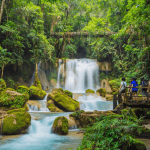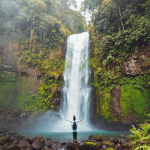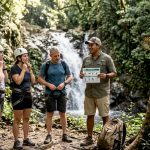
Chasing the rush of a powerful waterfall or the challenge of canyoning is what drives many thrill seekers to Jacó, Costa Rica. For travelers craving heart-pounding adventures in wild landscapes, choosing the right season can make all the difference. The rainy season from May to November transforms Costa Rica’s waterfalls into spectacular, thundering cascades surrounded by lush greenery, giving bold explorers the dramatic views and adrenaline-fueled experiences they crave most.
Table of Contents
- What Is The Best Time For Costa Rica Waterfalls?
- Seasonal Differences: Dry Vs. Rainy Months
- Peak Waterfall Flows And Visibility
- Tour Timing: Making The Most Of Your Visit
- Common Mistakes To Avoid When Planning
Key Takeaways
| Point | Details |
|---|---|
| Optimal Seasons | Visiting during the rainy season (May to November) offers the most dramatic waterfall views and vibrant landscapes. Shoulder months (May, June, November) provide a balanced experience with moderate rain and full waterfalls. |
| Tour Timing | Morning tours are recommended during the rainy season to avoid afternoon rain and maximize visibility. Booking in advance during the dry season is essential due to high demand. |
| Common Mistakes | Travelers should avoid underestimating the importance of preparing for microclimates and weather fluctuations by researching regional patterns and packing appropriate gear. |
| Packing Essentials | Quick-drying clothing, waterproof gear, and sturdy hiking shoes are crucial for a safe and enjoyable waterfall experience in Costa Rica, regardless of the season. |
What Is the Best Time for Costa Rica Waterfalls?
Understanding the best time to explore Costa Rica’s stunning waterfalls requires careful consideration of seasonal variations. While Costa Rica offers incredible waterfall experiences year round, certain months provide optimal conditions for adventure seekers and nature enthusiasts. Waterfall flow and surrounding landscape dramatically change depending on the season, making timing critical for the most memorable experience.
The dry season from December to April offers excellent hiking conditions and clear skies, but the rainy season from May to November actually presents the most spectacular waterfall views. During these months, increased precipitation transforms waterfalls into powerful, thundering cascades surrounded by lush, emerald green landscapes. Particularly from July to October, waterfall enthusiasts can witness truly dramatic water flows that create breathtaking photographic opportunities and heart-pounding adventure experiences.
Most experienced travelers recommend visiting during the shoulder months of May, June, and November, when rainfall is moderate but waterfalls remain impressively full. These transitional periods provide a perfect balance between accessibility and spectacular scenery. The Caribbean coast offers unique variations, often experiencing different precipitation patterns that can make waterfall experiences even more diverse and unpredictable.
Pro tip: Pack quick-drying clothing, waterproof gear, and sturdy hiking shoes to fully enjoy Costa Rica’s dynamic waterfall landscapes regardless of the season.
Seasonal Differences: Dry vs. Rainy Months
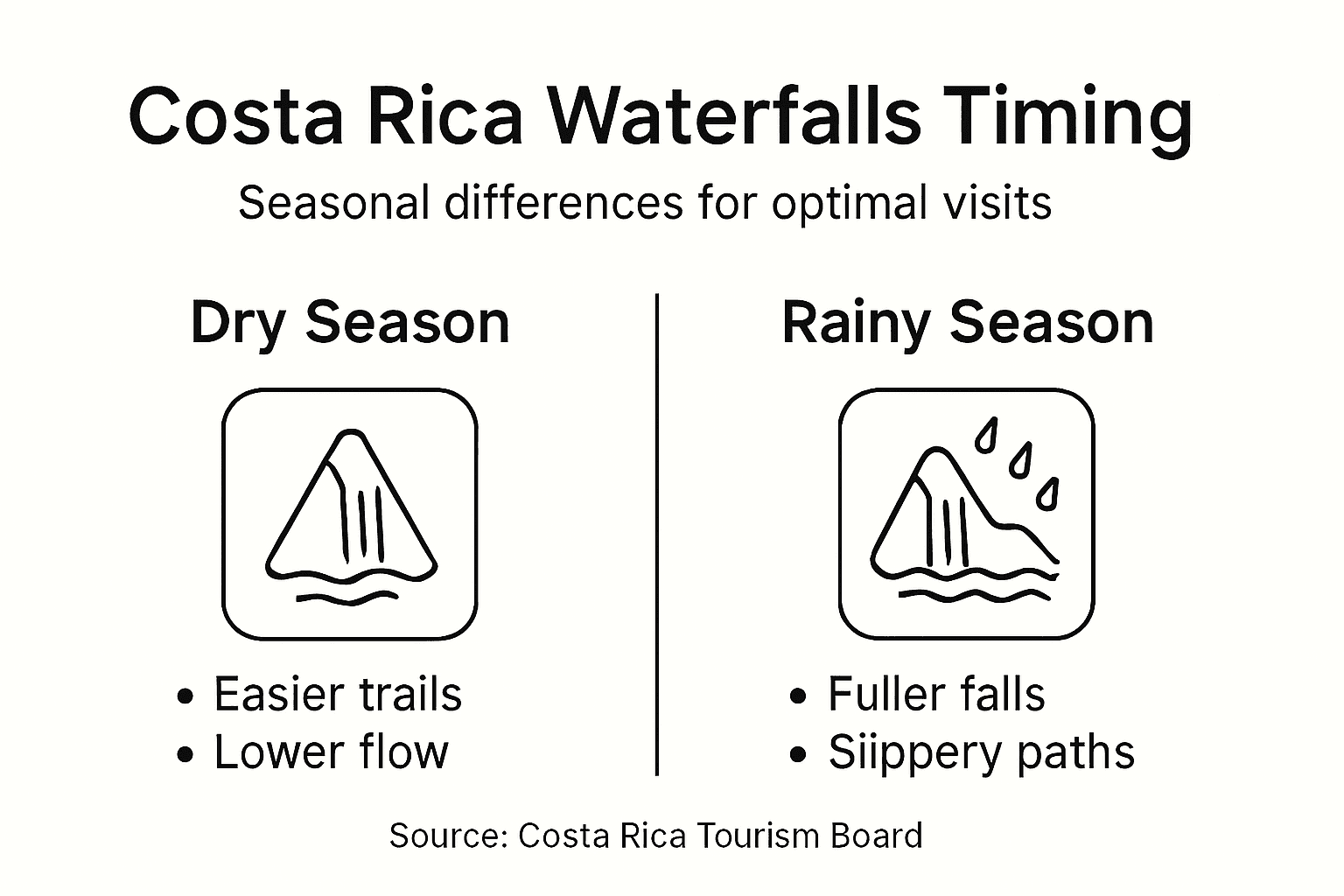
Costa Rica’s waterfall experiences are dramatically transformed by its two distinct seasonal patterns, each offering unique advantages for adventurers and nature enthusiasts. The dry season, spanning December through April, provides travelers with stable weather conditions characterized by consistent sunshine and minimal rainfall. During these months, hiking trails remain clear, and waterfalls, while less voluminous, are more accessible and easier to navigate.
Conversely, the rainy season from May to November brings a completely different landscape. Increased precipitation transforms Costa Rica’s waterfalls into powerful, thundering cascades surrounded by vibrant green vegetation. While many tourists shy away from these months, experienced travelers know that July and August represent a special “little high season” with mild rains and moderate crowds. The Caribbean coast especially offers unique microclimate variations, creating unpredictable and exciting waterfall viewing opportunities.
Travelers should understand that each season presents distinct trade-offs. The dry season offers more predictable weather and easier travel conditions, but also brings higher prices and larger tourist crowds. The rainy season, while more challenging, provides lower prices, fewer tourists, and more dramatic waterfall experiences. Shoulder months like May, June, and November often represent an ideal compromise, offering moderate rainfall and spectacular waterfall views without extreme weather conditions.
Pro tip: Consider purchasing a waterproof camera and moisture-wicking clothing to maximize your waterfall photography and comfort during Costa Rica’s dynamic seasonal transitions.
Here’s a summary of how Costa Rica’s waterfall experience varies by season:
| Season | Trail Conditions | Waterfall Flow | Crowd Level |
|---|---|---|---|
| Dry (Dec–Apr) | Dry, easy to navigate | Lower, less dramatic | High |
| Rainy (May–Nov) | Muddy, can be challenging | Powerful, impressive | Low |
| Shoulder (May, Jun, Nov) | Moderately accessible | Full, scenic | Moderate |
Peak Waterfall Flows and Visibility
Costa Rica’s waterfalls undergo remarkable transformations throughout the year, with the rainy season delivering the most spectacular displays of natural power and beauty. Waterfall flows peak dramatically between May and November, when frequent afternoon rains dramatically swell rivers and create thundering cascades that capture the imagination of adventurers and photographers alike. During these months, the landscape becomes a vibrant canvas of green, with water volumes reaching their most impressive levels.
The intensity of waterfall flows varies significantly across different regions of Costa Rica. While the rainy season generally guarantees more powerful water displays, some microclimates offer unique viewing experiences. The Caribbean coast, for instance, often experiences different precipitation patterns that can create unexpected and thrilling waterfall conditions. Photographers and nature enthusiasts will find the green season particularly compelling, as increased rainfall not only enhances water volume but also surrounds waterfalls with lush, emerald vegetation.
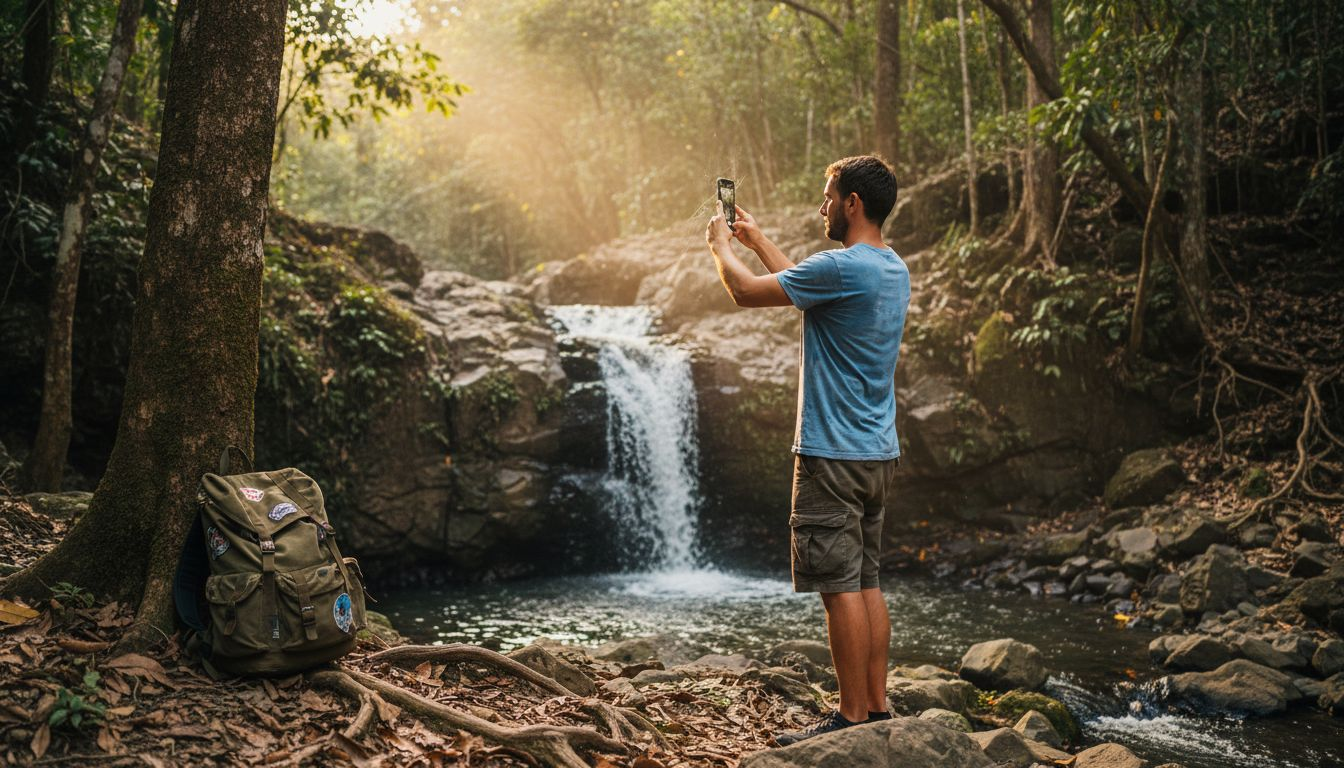
Travelers should be aware that peak waterfall visibility comes with some trade-offs. While increased rainfall creates spectacular cascades, heavy rains can occasionally impact hiking trails and accessibility. Some remote waterfalls might become challenging to reach during the most intense periods of the rainy season. Experienced visitors often recommend targeting the shoulder months of May, June, and November, which offer a perfect balance between robust water flows and manageable hiking conditions.
Pro tip: Pack waterproof hiking boots and quick-drying clothing to ensure you can safely navigate and fully enjoy Costa Rica’s dynamic waterfall landscapes during peak flow seasons.
Tour Timing: Making the Most of Your Visit
Planning the perfect waterfall tour in Costa Rica requires strategic timing and careful consideration of seasonal variations. Optimal tour planning involves balancing weather conditions, crowd levels, and accessibility across different regions. The dry season from December to April offers predictable sunny mornings and clear roads, making outdoor adventures more straightforward, while the green season presents more dramatic landscape experiences with fewer tourists.
Morning tours are particularly recommended during the rainy season, as afternoon precipitation can often interrupt outdoor activities. Experienced travelers suggest scheduling waterfall tours early in the day to maximize visibility and minimize weather-related disruptions. The shoulder months of May, June, July, and August provide an exceptional sweet spot, offering robust waterfall flows, moderate crowd density, and relatively manageable hiking conditions. Each region of Costa Rica presents unique microclimates, so flexibility and local guidance become crucial for creating an unforgettable experience.
Tour logistics vary significantly between dry and green seasons. Booking tours in advance becomes critical during peak dry months when demand surges. Conversely, the green season offers more flexible scheduling and potential discounts, though travelers must come prepared with waterproof gear and a willingness to adapt to changing weather conditions. Professional tour operators can help navigate these seasonal nuances, ensuring safe and memorable waterfall exploration across Costa Rica’s diverse landscapes.
Pro tip: Consider booking morning waterfall tours during the green season and always pack quick-drying, waterproof clothing to maximize your adventure potential.
Common Mistakes to Avoid When Planning
Travelers often encounter significant challenges when planning waterfall tours in Costa Rica due to misconceptions about seasonal weather patterns. Common planning mistakes include arriving during peak rainy season without proper preparation, expecting consistently sunny weather, and failing to account for regional climate variations that dramatically impact travel experiences. The Pacific and Caribbean coasts, for instance, can have entirely different precipitation patterns within the same timeframe.
One of the most critical errors tourists make is underestimating the importance of advanced planning. During the dry season, accommodations and tours can book quickly, requiring travelers to make reservations well in advance. Conversely, the green season demands flexibility and waterproof gear, with many visitors mistakenly assuming they can navigate trails and waterfall locations without specialized equipment. Understanding microclimates becomes crucial, as weather can change rapidly in different regions of Costa Rica, transforming a planned adventure into an unpredictable experience.
Packing inappropriate clothing and gear represents another significant mistake for waterfall enthusiasts. Many travelers arrive with minimal rain protection, expecting mild conditions, only to find themselves unprepared for sudden downpours or challenging hiking terrain. Quick-drying, moisture-wicking clothing, waterproof hiking boots, and protective gear are essential regardless of the season. Professional tour operators recommend layered clothing and multiple protective accessories to ensure comfort and safety across Costa Rica’s diverse and dynamic landscapes.
Pro tip: Research regional weather patterns specific to your planned waterfall locations and pack versatile, quick-drying clothing that can handle unexpected climate changes.
For reference, here are common mistakes to avoid when planning your Costa Rica waterfall trip:
| Mistake | Typical Impact | Recommended Approach |
|---|---|---|
| Ignoring microclimates | Unexpected weather changes | Research local patterns |
| Arriving unprepared | Uncomfortable experiences | Pack specialized waterproof gear |
| Skipping advance booking | Sold-out tours, higher prices | Reserve early in dry season |
| Underestimating terrain | Unsafe exploration | Bring sturdy, quick-drying clothing |
Discover the Ultimate Waterfall Adventure with Costa Rica Waterfall Tours
Timing your visit to Costa Rica’s breathtaking waterfalls can be challenging, especially when balancing rainy season thrills with trail accessibility and safety. The article highlights key concerns such as navigating muddy paths, experiencing peak waterfall flows, and preparing for unpredictable microclimates. If you want to turn these challenges into unforgettable moments of adrenaline and natural beauty, Costa Rica Waterfall Tours offers expertly guided experiences tailored for every season and skill level.
Whether you are visiting during the dry season with clear trails or chasing the powerful cascades of the green season, their Jaco Waterfall and Canyoning Tours provide the perfect blend of excitement and safety. Don’t let seasonal uncertainties hold you back. Benefit from their local knowledge and reliable arrangements to explore waterfalls when the scenery is at its most spectacular. Ready to make the most of your adventure in Costa Rica? Start your journey now by visiting Costa Rica Waterfall Tours and secure your spot for the best waterfall tours in Costa Rica.
Take action today to ensure your waterfall experience is unforgettable and perfectly timed for maximum impact.
Frequently Asked Questions
What is the best time to visit Costa Rica waterfalls?
The best time to visit Costa Rica waterfalls is during the rainy season from May to November for the most dramatic water flow and lush landscapes. However, the shoulder months of May, June, and November also offer great waterfall experiences with moderate rainfall.
How does the dry season affect waterfall visits?
During the dry season from December to April, waterfall flows are lower, and while hikes are easier and more accessible, the scenery is less dramatic compared to the rainy season. Clear skies make for perfect photography conditions, but expect larger crowds.
What should I pack when visiting waterfalls in Costa Rica?
It’s essential to pack quick-drying clothing, waterproof gear, and sturdy hiking shoes. A waterproof camera can also enhance your photography experience, especially during the rainy season when waterfalls are at their fullest.
Are morning tours recommended for waterfall visits?
Yes, morning tours are highly recommended during the rainy season to avoid afternoon rain showers, maximizing visibility and comfort while exploring the stunning waterfalls.