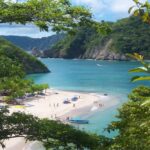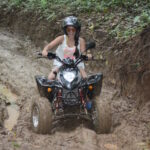
The rush of standing at the edge of a Costa Rican waterfall, helmet strapped and heart pounding, is exactly what thrill seekers crave on vacation. For North American adventurers tired of routine getaways, group tours in Costa Rica promise a seamless blend of adrenaline, safety, and connection. With expert guides handling the details and fellow travelers pushing their limits alongside you, you can enjoy epic canyoning descents and plunge into hidden rainforest pools—no solo planning or guesswork required. Get ready for an adventure where every challenge becomes part of an unforgettable story.
Table of Contents
- Group Tours In Costa Rica Explained
- Types Of Costa Rica Group Adventures
- Key Benefits: Safety And Expert Guidance
- Social, Cultural, And Shared Experiences
- Cost, Planning, And Booking Considerations
- Costa Rica Waterfall Tours: Top Choice For Thrill Seekers
Key Takeaways
| Point | Details |
|---|---|
| Group Tours Offer Convenience | Joining a group tour in Costa Rica alleviates the stress of solo planning, providing arranged logistics for transportation, accommodations, and meals. |
| Safety and Expertise | Experienced local guides ensure safety through established protocols and knowledgeable navigation of the diverse terrain. |
| Social Connections Enhance Experience | Group dynamics foster friendships and shared cultural experiences, enriching your travel through collective engagement. |
| Diverse Adventure Options | Tailor your tour to match personal interests, whether focused on adrenaline, nature, culture, or wellness activities. |
Group tours in Costa Rica explained
Group tours in Costa Rica represent a structured way to experience the country’s incredible natural attractions without the stress of solo planning. Instead of figuring out logistics on your own, you join a curated group with accommodations, transportation, meals, and an expert guide all arranged in advance. This setup transforms your vacation from a series of logistical puzzles into a seamless journey where you can focus entirely on the experience. The model works because it combines convenience with community, letting you explore rainforests, waterfalls, and coastlines alongside travelers who share your sense of adventure.
The appeal of group tours lies in their efficiency and social element. When you participate in group tours that emphasize shared discovery, you’re not just checking off destinations. You’re building connections with fellow travelers who become friends, sharing meals, laughs, and unforgettable moments in one of the world’s most stunning countries. Your guide acts as both a navigator and storyteller, offering insights into local culture, wildlife behavior, and hidden gems that solo travelers might miss entirely. Most groups range from 8 to 20 people, creating an intimate enough setting where genuine relationships form while still providing the safety and expertise that comes with larger operations.
What makes Costa Rica group tours particularly effective is their structure. Your days typically include a mix of activities like hiking through national parks, swimming in natural pools beneath waterfalls, visiting indigenous communities, and relaxing on pristine beaches. The itinerary balances adventure with downtime, physical exertion with cultural immersion. Your accommodation is sorted, your meals are often included, and transportation between destinations happens automatically. This eliminates the anxiety of solo travel while maintaining authentic experiences. Whether you’re rappelling down a canyon, spotting sloths in the canopy, or learning traditional cooking methods from locals, you’re doing it with people who understand why you chose Costa Rica in the first place.
The structure also addresses a critical concern: safety. Group tours operate with established protocols, experienced local guides, and proper equipment. Your guide knows the terrain, understands weather patterns, and carries the expertise needed for activities like waterfall rappelling or river crossing. If something unexpected happens, help is organized and immediate. This security matters, especially when you’re pursuing adrenaline-fueled activities in remote locations. Many North American travelers choose groups specifically because they want the adventure without navigating unfamiliar systems or managing risk alone.
Pro tip: Book your Costa Rica group tour during the green season (May through November) for smaller crowds, lush landscapes, and significantly lower prices compared to peak season, while still enjoying excellent weather for outdoor activities.
Types of Costa Rica group adventures
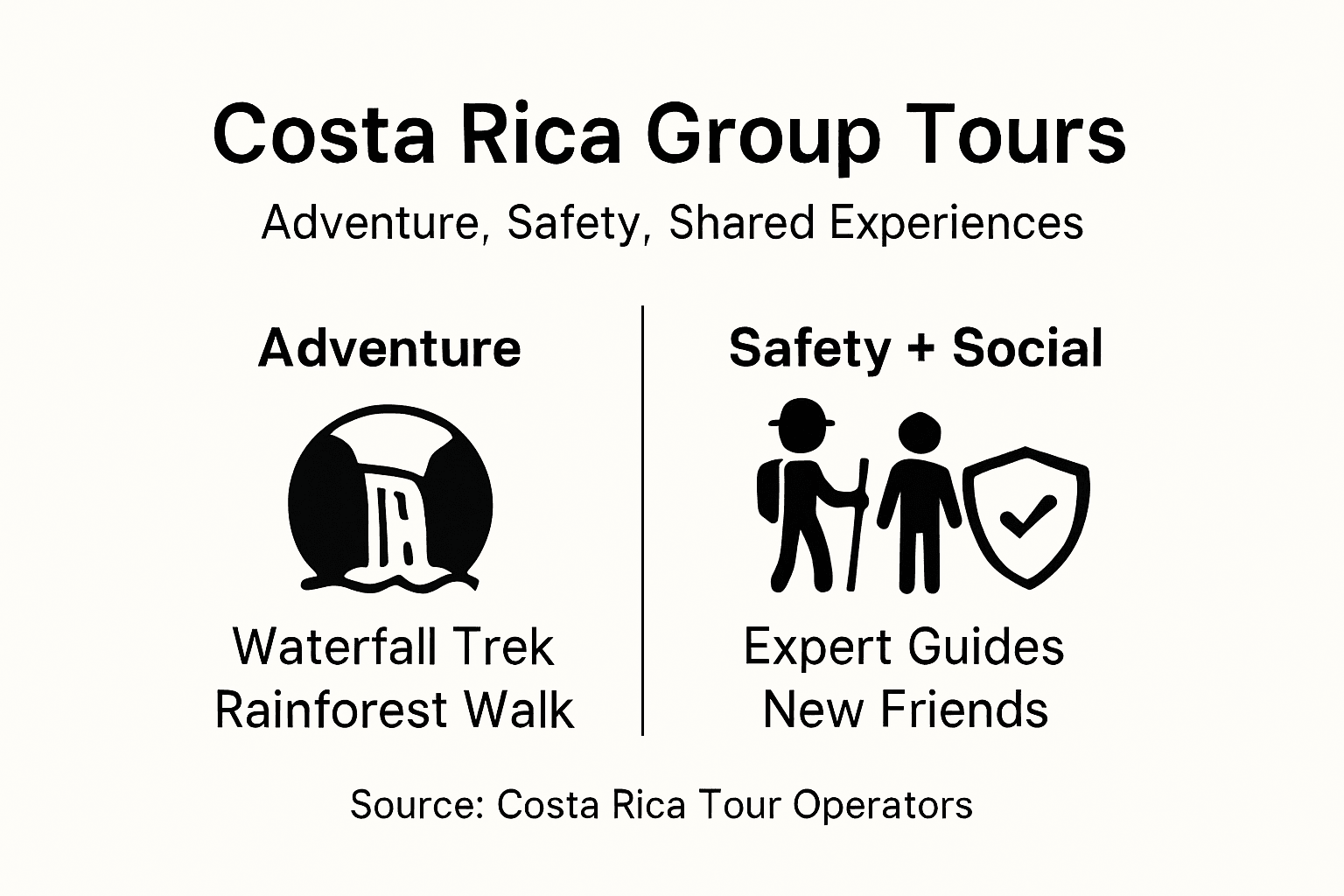
Costa Rica group adventures come in nearly every flavor imaginable, which means you can tailor your experience to match your exact comfort level and interests. Some groups focus heavily on adrenaline and tackle activities like ziplining through cloud forests, white water rafting through jungle rivers, and canyoning down waterfall rappels that’ll make your heart pound. Other groups prioritize slower pacing with nature exploration, taking you through rainforests where you spot howler monkeys, sloths hanging lazily from branches, and toucans diving through the canopy. The beauty of group travel is that operators have refined these itineraries over years, knowing exactly how to sequence activities, manage energy levels, and keep everyone engaged without overwhelming the group.
Beyond pure adventure, many groups blend multiple experience types into single itineraries. You might spend your mornings on exciting adrenaline sports like canyoning and rafting, then transition into afternoons focused on cultural immersion where you visit indigenous communities, learn traditional cooking techniques, or participate in local crafts. Wellness retreats combine yoga sessions at sunrise with nature hikes, nutritious meals featuring local ingredients, and spa treatments that leave you feeling completely restored. The most popular group itineraries mix everything together because different travelers value different things. One person might live for the waterfall rappel, while their travel companion gets equally excited about meeting locals and understanding how communities live within the rainforest ecosystem. Group operators understand this diversity and design experiences that satisfy multiple motivations simultaneously.
What makes these group adventures work is their intentional structure. A group exploring rainforests has a naturalist guide who points out camouflaged insects, explains the layered ecosystem, and shares stories about indigenous uses of plants you pass. A group doing wildlife encounters benefits from guides who know where animals congregate at specific times, understand animal behavior, and can explain the ecological relationships that make Costa Rica so biodiverse. Coastal group adventures might include beach time, snorkeling in coral reefs teeming with tropical fish, or kayaking through mangrove channels where crocodiles and herons share the waterways. Each type of adventure comes with specialized knowledge that guides bring, transforming what could be random sightseeing into a coherent learning experience.
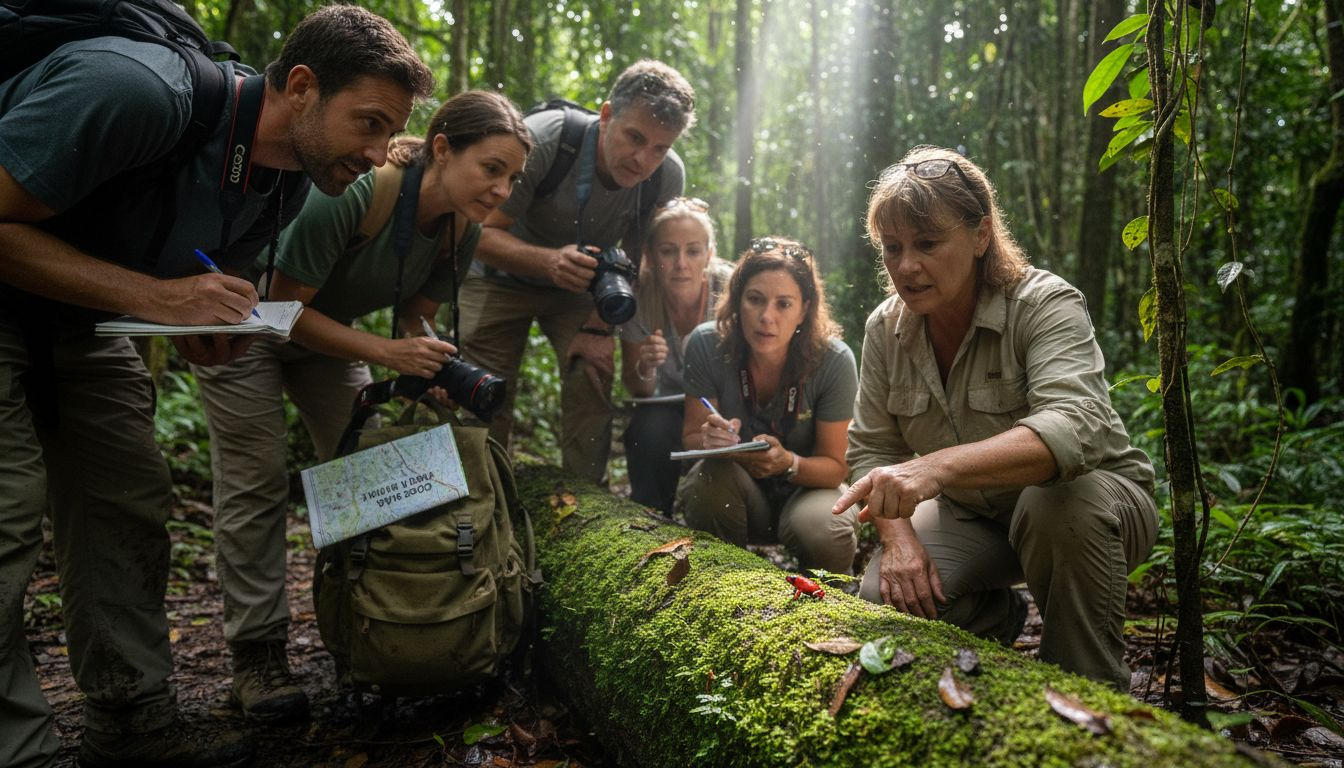
The variety also means logistics get handled differently depending on the adventure type. An adrenaline focused group might stay in a lodge near canyoning sites and spend full days on technical activities. A cultural immersion group might move between communities, spending evenings with local families and participating in their daily routines. Wellness groups often base themselves at a single resort with daily excursions. The accommodations, meal planning, and daily rhythm all adjust to match the adventure focus. This customization means you’re not paying for experiences you don’t want. A group designed around your specific interests runs more smoothly because everyone signed up for the same thing, creating natural camaraderie and shared enthusiasm that makes the entire trip more enjoyable.
Here’s a quick comparison of Costa Rica group adventure styles and who they suit best:
| Adventure Type | Key Activities | Typical Traveler Profile | Typical Group Size |
|---|---|---|---|
| Adrenaline Focus | Ziplining, white water rafting, rappelling | Thrill seekers, active travelers | 8-15 participants |
| Nature Exploration | Rainforest hikes, wildlife spotting | Nature lovers, photographers | 10-20 participants |
| Cultural Immersion | Cooking with locals, village visits | Culture-curious, foodies | 8-12 participants |
| Wellness Retreats | Yoga, spa treatments, nature walks | Wellness-focused, relaxation seekers | 10-16 participants |
Pro tip: Clarify your group’s specific focus before booking, since even tours labeled “adventure” can range from relaxed nature walks to intense technical climbing. Read detailed itineraries and ask operators directly about activity intensity levels to ensure you’re matched with a group that matches your actual fitness level and thrill tolerance.
Key benefits: safety and expert guidance
Safety becomes your baseline when you join a group tour, not something you have to negotiate or worry about. Group operators in Costa Rica maintain strict safety protocols because their reputation and business depend on it. Your guides carry first aid certification, know emergency procedures, and understand how to manage groups in challenging environments. They’ve navigated the same trails hundreds of times, spotted the hidden hazards you’d never notice alone, and know exactly how to handle weather changes, wildlife encounters, or equipment malfunctions. When you’re rappelling down a 60 foot waterfall, swimming in a river with crocodiles nearby, or hiking through dense rainforest terrain, this expertise becomes incredibly valuable. You’re not trusting your own judgment in unfamiliar situations. You’re relying on professionals who’ve done this countless times before.
Beyond physical safety, group tours provide logistical security that solo travelers simply cannot replicate. Expert guidance from knowledgeable local guides transforms random wandering into meaningful exploration with context and depth. Your guide doesn’t just point at a toucan and say “bird.” They explain that toucan populations have recovered because of reforestation efforts, describe the specific fruit species they prefer, and share stories about local conservation projects protecting their habitat. They know which communities welcome tourists and which prefer privacy. They understand local customs well enough to help you interact respectfully with indigenous peoples. They navigate bureaucratic details at national parks, handle transportation logistics seamlessly, and know backup plans if activities get cancelled due to weather. This reduces the overwhelming mental load of solo travel where you’re constantly problem solving, researching, and second guessing decisions.
Your guide serves as both educator and protector. As you hike through rainforest, they point out camouflaged insects, identify medicinal plants local people have used for generations, and explain why certain areas need conservation. They watch the group’s energy levels and adjust pacing accordingly, ensuring nobody gets exhausted or overwhelmed. They manage group dynamics tactfully, mediating between different personality types and keeping the social experience positive. If someone feels anxious about an activity, a good guide recognizes this and either provides reassurance or offers alternatives. They carry emergency supplies, communicate with park rangers about group whereabouts, and maintain constant awareness of everyone’s physical condition and emotional state. This attentiveness matters profoundly when you’re traveling in a country whose systems work differently than home.
The structured logistics of group travel eliminate so many failure points that plague solo travelers. Transportation runs on schedule. Accommodations are booked and ready. Meals happen at planned times with food suited to group preferences and dietary needs. Activities start when promised with all necessary equipment already arranged. You don’t spend hours researching whether a business is legitimate or checking customer reviews before booking. Your operator has already vetted everything. You don’t show up somewhere expecting to hike and discover the trail is closed without warning. You don’t negotiate prices with vendors or stress about whether you’re paying fair rates. These conveniences mean you actually enjoy your vacation instead of spending mental energy on logistics. For North American travelers accustomed to systems running in certain ways, this predictability reduces anxiety significantly. You know what to expect, and what you expect actually happens.
Pro tip: Ask your tour operator specifically about guide certifications, safety equipment standards, and emergency protocols before booking. Request information about group size limits for your activity type and ask how guides handle participants with different fitness levels or anxiety triggers.
Social, cultural, and shared experiences
Traveling with a group transforms your Costa Rica experience from something you do to something you share. When you rappel down a waterfall alongside strangers who become friends, swim in natural pools together, or hike through rainforests spotting wildlife at the same moments, you’re creating memories that stick differently than solo experiences. The shared adrenaline of conquering a challenging canyoning route, the collective wonder of watching howler monkeys call at dawn, or the laughter during a group meal becomes part of the experience itself. These bonds form naturally because everyone signed up for similar reasons and you’re all navigating new situations together. By the end of a week long tour, you’ve gone through experiences that strengthen connections faster than months of regular socializing at home.
Cultural immersion takes on deeper meaning when you experience it as part of a group. Shared experiences foster cultural education and lasting bonds between travelers and local communities in ways that solo tourism often misses. When your guide invites your group to a local family’s home for an authentic cooking lesson, you’re not just learning how to make gallo pinto. You’re sitting around a table with other travelers, laughing over mistakes, sharing stories about your own home cooking traditions, and collectively engaging with a family who’s opening their home to you. That shared vulnerability and mutual respect creates genuine cultural exchange rather than transactional tourism. Your group’s collective enthusiasm shows the host community that their traditions matter, that you all traveled thousands of miles specifically to understand how they live, and that you’re not rushing through to grab photos for social media.
Group tours also naturally facilitate responsible travel practices. When your guide explains that the coral reef you’re snorkeling near took decades to grow but can be damaged by a single careless gesture, everyone in your group absorbs that responsibility together. When you visit a community, your guide establishes respectful boundaries about photography, appropriate questions, and genuine engagement versus exploitation. The group dynamic reinforces these practices because everyone around you models respect. You’re not the only person asking thoughtful questions or declining to take photos of children without permission. You’re part of a collective approach to tourism that benefits both travelers and host communities. This shared commitment to responsible travel means you’re contributing to sustainable tourism that allows communities to benefit economically while maintaining their dignity and culture.
The social element also addresses a real challenge for many North American travelers: the anxiety of solo travel in unfamiliar places. You don’t have to navigate language barriers alone or figure out social norms by yourself. You have a built in community of people experiencing the same disorientation, asking similar questions, and working through similar challenges. If you feel overwhelmed by something, you have peers who understand rather than locals who might find your concern strange. If you have a great experience you want to celebrate, you have companions who can share your excitement immediately rather than you texting friends back home hours later. This constant social support makes adventurous travel feel less isolating. Many travelers discover that their favorite part of the tour wasn’t actually the activities themselves. It was the relationships they built and the inside jokes that emerged from shared experiences.
Pro tip: Arrive at your tour a day early if possible and attend any optional welcome dinner or orientation activity. Starting with early social connections means you enter the actual tour already feeling like part of a group rather than joining strangers, which accelerates bonding and increases overall enjoyment.
Cost, planning, and booking considerations
Group tour pricing in Costa Rica varies dramatically depending on what you’re actually paying for. A basic week long tour might run between $1,200 and $2,000 per person, while specialized adventure tours with technical activities like canyoning and waterfall rappelling often cost $2,500 to $4,500 for the same duration. What matters is understanding what’s included. Most group tours cover accommodations, transportation between destinations, meals, and guide services. Some include park entrance fees and activity equipment. Others charge separately for meals, activities, or upgrades. Reading the fine print prevents sticker shock later. Budget tours often mean smaller lodges, shared rooms, and basic meals. Premium tours offer private accommodations, restaurant dining, and exclusive activities. Neither is objectively better. They’re just different trade offs based on your priorities and budget. The key is knowing exactly what you’re paying for before committing.
Timing your booking matters significantly. Strategic tourism planning and early booking help secure better accommodations and avoid logistical constraints during peak seasons. Costa Rica’s peak tourism season runs December through April when North American travelers escape winter. Prices during these months can be 40 to 60 percent higher than green season rates (May through November). If you have flexibility, booking a tour for September through November gets you substantially lower prices, lush landscapes from recent rainfall, and smaller groups because fewer tourists visit during green season. Peak season offers more established tour schedules and higher activity guarantees, while shoulder seasons provide better value and more personalized experiences. Your booking window should be 2 to 3 months in advance during shoulder seasons, and 3 to 4 months ahead during peak season to secure your preferred dates and group size.
Planning your logistics around tour dates requires strategic thinking. Group tours typically start on specific dates, so you can’t just show up whenever you want. Most operators run weekly departures on the same day each week. If you’re flying from North America, you’ll likely arrive a day or two before the tour starts. Consider flying in a day early to adjust to the time zone, rest after travel, and avoid missing the tour if your flight gets delayed. Factor in airport transfers, which some tours include and others charge extra. Research visa requirements if you hold non American citizenship. Most North American visitors need just a passport valid for six months beyond their travel dates, but requirements vary by nationality. Arrange travel insurance that covers adventure activities since standard policies often exclude canyoning, rappelling, or extreme sports. Many group tour operators require proof of travel insurance before joining.
Budgeting extends beyond the tour cost itself. You’ll want spending money for tips, personal activities outside the tour itinerary, souvenirs, and meals not included in your package. Budget $20 to $50 per day for these expenses depending on your spending habits. Alcohol, if you drink, costs more than at home. Activity add ons like additional adventures, spa treatments, or specialized tours within your tour week can add $300 to $800. Currency exchange rates matter. The Costa Rican colón fluctuates against the dollar, and many small vendors only accept colones while larger establishments accept both. Bring some US dollars and exchange a portion to colones at your arrival airport or at an ATM. Credit cards work at most established businesses but not everywhere, so carry cash as backup.
Below is a summary of cost factors and suggestions for booking the right tour:
| Factor | Budget Tours | Premium Tours | Booking Tip |
|---|---|---|---|
| Price per Week | $1,200 – $2,000 | $2,500 – $4,500 | Book green season for best deals |
| Accommodation | Shared rooms, basic lodges | Private rooms, upscale hotels | Review recent guest feedback |
| Meals | Simple, often included | Restaurant-quality, varied | Confirm dietary accommodations |
| Activities/Equipment | Standard, some extras | Advanced, all gear included | Check what’s truly included |
Key cost factors to compare
- Tour length and destination variety
- Accommodation type and star rating
- Meal inclusions and dietary accommodations
- Guide qualifications and group size limits
- Equipment and activity inclusions
- Transportation and airport transfers
- Travel insurance requirements
Pro tip: Compare total costs across multiple operators including all hidden fees before deciding, and read recent reviews from travelers who took the same tour in recent months to understand whether pricing matches actual quality and whether the operator delivers on promises.
Costa Rica Waterfall Tours: Top choice for thrill seekers
If you’re the kind of traveler who gets bored with standard sightseeing, waterfall tours in Costa Rica deliver the adrenaline rush you’re actually seeking. These aren’t passive observation experiences. You’re actively engaging with the landscape through activities that push your physical and mental limits. Waterfall tours combine guided hikes, swimming in natural pools, and adventure activities like rappelling through rainforest ecosystems that few tourists ever access. The experience starts with hiking through dense jungle where your guide points out wildlife and explains the intricate relationships between species. Then you reach a waterfall and things escalate. You’re swimming in crystalline pools fed by cascading water, feeling the power of nature surrounding you. Then comes the technical part: rappelling down the face of the waterfall on a rope, descending 60, 80, sometimes 100 feet with water spraying around you and nothing but rock and vegetation below. That moment when you step off the edge and lean back on the rope, trusting your equipment and your guide’s expertise, is when you truly understand why people travel thousands of miles to Costa Rica.
What separates waterfall tours from generic adventure activities is the combination of technical challenge with natural beauty. You’re not just going through motions on some manufactured course. You’re navigating real terrain that demands respect and attention. Your guide reads the water levels, assesses rock stability, checks weather conditions, and makes constant micro decisions about group safety while moving through an active ecosystem. This expertise transforms what could be reckless risk into calculated adventure. You’re challenged physically through hiking on uneven terrain, climbing up slippery rocks, and maintaining balance in water currents. You’re challenged mentally through managing fear on the rappel, trusting your equipment, and pushing past your comfort zone. Most thrill seekers report that the mental challenge matters more than the physical one. Overcoming the voice in your head saying “don’t jump” and actually executing the rappel changes how you see yourself.
The logistics of waterfall tours also appeal to North American travelers seeking adventure without logistical chaos. Group operators handle all the technical equipment, maintain it to safety standards, and train guides in emergency protocols. You show up, get fitted with a harness and helmet, receive a safety briefing, and then execute the activities. Your guide watches constantly for signs of fatigue, fear, or physical distress. If someone needs an alternative route or wants to skip the rappel and swim instead, experienced guides offer options without judgment. This balanced approach means genuinely nervous travelers can still participate and often discover they’re braver than they thought. Meanwhile, hardcore adrenaline seekers get to push themselves hard in a controlled environment. Groups typically include 6 to 12 people, which keeps things intimate while providing safety redundancy if something unexpected happens.
The ecosystem surrounding these waterfalls creates an experience that transcends the activity itself. You’re moving through one of the world’s most biodiverse regions where you might spot poison dart frogs, howler monkeys, sloths, or toucans during a single tour. The rainforest canopy towers above you, creating pockets of cool shade and filtered light. Moss and ferns cover everything, creating an almost primordial atmosphere. The waterfall itself becomes a meditation point. Standing at its base, feeling the mist, hearing the roar of water, you understand why people become obsessed with waterfall tourism. It’s not just about the adrenaline. It’s about experiencing raw natural power in a way that everyday life never offers.
Pro tip: Book waterfall tours during green season (July through October) when water levels are highest, creating more dramatic rappels and deeper pools for swimming, and arrive early morning to avoid afternoon rain that can make rock surfaces more slippery and reduce visibility.
Discover the Ultimate Group Adventure with Costa Rica Waterfall Tours
If you are looking to combine adventure, safety, and shared discovery on your next trip to Costa Rica, joining a group tour with experienced local guides is the answer. The article highlights common traveler concerns like logistics stress, safety in remote environments, and the desire for authentic social connections. At Costa Rica Waterfall Tours, we specialize in adrenaline-packed group experiences such as canyoning, hiking to breathtaking waterfalls, and immersive nature exploration, all expertly managed to eliminate guesswork.
Our tours offer professional guides trained in safety and local knowledge, ensuring every rappel, swim, and hike is both thrilling and secure. Alongside fellow thrill-seekers, you create lasting memories in a supportive community that understands the unique excitement and challenges of waterfall adventures. Beyond just activity, your group gains insight into Costa Rica’s rich biodiversity and culture, redefining what it means to travel responsibly.
Ready to turn your desire for a seamless, exciting, and social adventure into reality? Explore our full range of experiences at Costa Rica Waterfall Tours and make your next vacation truly unforgettable. Discover why we are recognized as one of the best waterfall and adventure tour operators in Costa Rica. Book now to secure your spot in a top-tier group tour designed for both thrill and connection.
Frequently Asked Questions
What are the main benefits of joining a group tour in Costa Rica?
Group tours offer convenience by handling all logistics, allowing you to focus on the experience. They also provide safety through experienced local guides, and create opportunities for social connections with fellow travelers.
How does group travel enhance adventure activities in Costa Rica?
Group sizes typically range from 8 to 20 people, which fosters camaraderie during thrilling activities like waterfall rappelling, ziplining, and wildlife exploration. The shared experience often leads to deeper enjoyment and a sense of accomplishment.
Are group tours safe for outdoor activities in Costa Rica?
Yes, group tours prioritize safety by employing qualified guides who understand the terrain, have first aid certifications, and handle necessary logistics. This reduces risks involved in adventure activities.
How do I choose the right type of group tour for my interests?
Consider what interests you most: adrenaline-focused tours will include high-intensity activities, while cultural immersion tours focus on local interactions. Review the itinerary and ask the operator about activity details, intensity, and group dynamics to find the best match.