Most travel guides treat Jacó like a checklist: surf lesson, zip line, cocktail at sunset. But there’s a quieter truth about this town that budget travelers figure out fast once they arrive. A genuinely enormous amount of what makes Jacó special costs absolutely nothing. The problem isn’t a lack of free experiences. It’s that nobody organizes them clearly enough to be useful. This guide does exactly that, and it’s honest about where free stops being the right call.
Jacó sits on Costa Rica’s Central Pacific coast, roughly 100 kilometers southwest of San José in Puntarenas Province. It’s accessible, energetic, and positioned between mountains and ocean in a way that makes nature unavoidable. Whether you’re here for a week on a budget, a shore excursion off a cruise ship, or a longer adventure trip, understanding what you can do for free versus what’s genuinely worth paying for will save you money and make your trip significantly better.
Why Jacó Rewards the Traveler Who Slows Down
Jacó has a reputation as a party beach town, and that reputation isn’t entirely undeserved. But it obscures the fact that the town sits at the edge of one of the most biologically productive coastal zones in Central America. The Tárcoles River estuary is just 15 kilometers north. Carara National Park borders the town’s northern edge. The Cerro La Cruz trail rises directly above the town itself. Slowing down in Jacó isn’t a compromise. It’s a strategy.
The town’s layout rewards walkers. Jacó’s main strip, Boulevard Jacó (Avenida Pastor Díaz), runs roughly 4 kilometers parallel to the beach. Side streets lead directly to the ocean. The entire town is walkable in under an hour, and the transition from commercial chaos to wild beach happens within a few steps. This geographic compression is unusual for a beach town of Jacó’s profile, and it means that free, natural experiences are never more than a short walk from your accommodation.
Budget travelers also benefit from Jacó’s competitive accommodation and restaurant market. The town has enough tourism volume to support a wide range of price points, which means you’re not forced into expensive options the way you might be in more remote destinations. Free activities pair naturally with affordable local sodas (family-run Costa Rican restaurants) where a full meal typically runs $5–$8 USD.
The Beaches in Jacó: What Nobody Tells You About Each Section
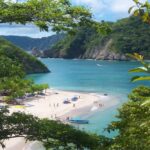
Jacó Beach is free, public, and protected under Costa Rican law, which mandates public access to all coastal zones within the first 200 meters from the high-tide line. What most travel content misses is that Jacó Beach isn’t one uniform experience. It breaks into distinct sections with genuinely different characters, and knowing which section suits your purpose on a given day matters.
The North End: Wildlife and Solitude
The northern stretch of Jacó Beach, toward the Tárcoles River mouth, is the least developed and most ecologically active. Brown pelicans hunt in formation here. Frigate birds circle overhead. During the green season (May through November), the water here can be rougher and the rip currents stronger, but the wildlife density goes up considerably. This section is genuinely uncrowded even during peak dry season (December through April), and the views back toward the Carara National Park forest line are striking.
Walking the north end at low tide exposes tide pools with small crabs, anemones, and occasionally sea stars. No guide, no fee, no reservation required. The only tool you need is a tide chart, which you can check free through Tides.net Costa Rica before heading out.
The Central Beach: Surf Culture and People-Watching
The central section, directly in front of Boulevard Jacó, is where the surf schools operate and where Jacó’s famous beach soccer games happen in the late afternoon. Watching local surfers on the break costs nothing. Sitting on the sand and observing the social ecosystem of a Costa Rican surf town is one of those experiences that sounds mundane until you’re actually doing it and realize you’ve been there for two hours.
Jacó’s waves are powerful beach breaks that attract intermediate and experienced surfers. The wave quality here is genuinely impressive, and watching skilled surfers work the break at dawn, before the tourist activity begins, is one of the best free shows the town offers.
The South End: Quieter Swimming and Sunset Views
The southern end of Jacó Beach, near Punta Jacó, tends to have calmer conditions and is better suited for swimming than the central section. The rocky point at the southern tip creates some protection from the dominant swell direction during parts of the year. Sunsets viewed from the south end look back across the full arc of the bay, with the forested hills behind town creating a dramatic backdrop. This is one of the genuinely best free sunset spots on the Central Pacific coast, and it remains surprisingly underused by tourists who cluster in the central section.
Free Wildlife Encounters Around Jacó
Wildlife viewing in Jacó doesn’t require a guided tour, a park entrance fee, or any special equipment beyond patience and reasonable timing. The town’s position between coastal mangroves, tropical dry forest transitioning to rainforest, and open beach creates an unusual convergence zone for animal activity.
Scarlet Macaws at Carara National Park’s Edge
Carara National Park is the southern limit of scarlet macaw habitat on Costa Rica’s Pacific coast, and the birds don’t respect park boundaries. They regularly fly over the northern edge of Jacó and the Tárcoles River valley in the early morning and late afternoon. Watching a formation of scarlet macaws cross the sky above a beach town is the kind of moment that recalibrates your sense of where you are. You don’t need to pay the national park entrance fee (currently around $15 USD per adult) to see macaws from the road or beach near the park boundary.
The road between Jacó and the Tárcoles Bridge, about a 15-kilometer stretch, offers some of the best roadside macaw spotting on the Pacific coast. If you have a rental car or can arrange a rideshare, this drive in the early morning is free and spectacular.
The Tárcoles Bridge Crocodile Watch
The Río Tárcoles bridge on Route 34 (the Costanera Sur highway) is one of the most visited free wildlife spots in all of Costa Rica. American crocodiles gather in the river below in numbers that are difficult to comprehend until you’re standing on the bridge looking down. The Tárcoles River is home to one of the densest American crocodile populations in the world, and the bridge lookout point is completely free. Parking on the road shoulder is informal but universally practiced by locals and tourists alike.
The best viewing times are morning and late afternoon when the crocodiles bask on the mudflats. From Jacó, the bridge is approximately 15 kilometers north on the Costanera Sur. You can reach it by bus (the San José-bound buses stop at Tárcoles junction) or by taxi for a modest fare. The viewing itself costs nothing.
Nighttime Beach Wildlife: Olive Ridley Turtles
During the green season, olive ridley sea turtles occasionally nest on Jacó Beach, though the primary nesting beaches in the Central Pacific are further south at Playa Hermosa (the surf beach, not the Guanacaste one) and Playa Esterillos. Walking the beach quietly at night during nesting season (approximately July through November) gives a chance of encountering nesting turtles, though this is never guaranteed. If you do encounter a nesting turtle, Costa Rican law under the MINAE’s wildlife protection framework prohibits disturbing them, using flash photography, or approaching within several meters. Observation from a respectful distance is legal and free.
Urban Wildlife: Sloths, Iguanas, and More
Jacó’s trees, particularly the larger cecropia and ficus trees along the boulevard and in the surrounding neighborhoods, regularly host two-toed and three-toed sloths. Iguanas are everywhere, from hotel gardens to tree branches overhanging the street. White-faced capuchin monkeys occasionally move through the northern residential areas. None of this requires a tour or a fee. It requires looking up.
Free Hikes and Trails Near Jacó
The hills directly behind Jacó contain accessible trails that most tourists never find because they’re focused on the beach. These trails offer elevated views, forest immersion, and a physical challenge that contrasts dramatically with the flat coastal town below.
Cerro La Cruz: Jacó’s Overlooked Summit Trail
Cerro La Cruz is a hill that rises directly above the southern section of Jacó, marked by a large cross visible from the beach. A trail ascends from the residential streets at the base of the hill to the summit, which offers panoramic views across the entire bay, the forested mountains of the interior, and on clear days, the ocean stretching toward the horizon. The hike takes approximately 30–45 minutes up from the base, depending on fitness level and the condition of the trail.
The trail is informal, there’s no maintained entrance, no fee, and no ranger station. Access is from the southern residential streets of Jacó. Wear closed-toe shoes, bring water, and go in the morning before heat builds. The views from the top are genuinely exceptional and completely free. This is one of the most underrated free things to do in Jacó, and the relatively low tourist traffic on the trail makes it feel like a genuine local discovery.
Walking the Estuary Edges
The mangrove estuary system at the northern edge of Jacó, where small rivers and tidal channels meet the ocean, is accessible on foot via the northern beach. Walking this edge at low tide reveals a microhabitat packed with bird activity: herons, egrets, kingfishers, and shorebirds work the tidal flats. This isn’t a formal trail, but it’s accessible, free, and remarkably productive for wildlife observation.
Free Cultural Experiences and Town Exploration
Jacó isn’t primarily a cultural destination in the way that San José or Cartago might be, but it has a genuine local character worth engaging with beyond the tourist strip.
The Saturday Farmer’s Market
Jacó’s weekly farmer’s market (feria del agricultor) operates on Saturday mornings and is one of the most authentic free experiences the town offers. Local farmers from the surrounding hills in Puntarenas Province bring produce, tropical fruits, handmade goods, and prepared foods. Browsing costs nothing. Trying a maracuyá (passion fruit) or a slice of fresh pipa (green coconut) for a dollar or two is as immersed in local life as Jacó gets. The market atmosphere gives a clear picture of the community behind the tourist facade.
Street Art and Mural Culture
Jacó has developed a notable street art scene over the past several years, with large-scale murals decorating building facades throughout the town. These range from surf-culture imagery to Costa Rican wildlife to abstract work by local and visiting artists. Walking the side streets of Jacó with attention to the walls is a genuinely enjoyable free activity that takes 1–2 hours and reveals a creative layer of the town that’s invisible from the main boulevard.
Watching the Surf Competitions
Jacó hosts surf competitions periodically throughout the year, particularly during the dry season when wave conditions are most consistent. When competitions are running, the beach functions as an open-air stadium with no admission charge. The energy of a Costa Rican surf competition, with local families, visiting surfers from around the country, and an informal beach festival atmosphere, is one of the most engaging free spectacles the town offers. Check local bulletin boards and the Surfing Costa Rica events calendar when planning your trip.
Day Trips from Jacó Costa Rica: Free and Low-Cost Options
Jacó’s geographic position on the Central Pacific coast makes it one of the best-located bases for day trips in the country. Several of these trips involve minimal or no cost beyond basic transportation.
Playa Hermosa: 5 Kilometers South, No Entrance Fee
Playa Hermosa (the surf beach south of Jacó, not the Guanacaste resort area) is one of Costa Rica’s most famous surfing beaches and a regular stop on the international surf competition circuit. It’s approximately 5 kilometers south of Jacó’s main strip, accessible on foot along the beach at low tide, by bicycle, or by taxi for a few dollars. The beach itself is free. The waves here are heavier and more powerful than Jacó, making it one of the premier surf spots on the Pacific coast. Even non-surfers find the raw power of the Playa Hermosa break impressive to watch.
Playa Esterillos: Uncrowded Beaches Further South
Esterillos Este, Esterillos Centro, and Esterillos Oeste are three distinct beach sections about 25–30 kilometers south of Jacó on the Costanera Sur. These beaches are dramatically less crowded than Jacó, backed by palms and tropical vegetation, and completely free to access. Getting there requires a taxi, rental car, or the Quepos-bound bus (which stops at various points along the Costanera). The round-trip transportation cost is the primary expense. The beaches themselves cost nothing and reward visitors with the kind of uncrowded, natural Pacific beach experience that’s increasingly rare.
Tárcoles Village and Mangrove Walking
The village of Tárcoles, at the mouth of the Tárcoles River north of Jacó, is a small fishing community with a public beach and mangrove-fringed river banks accessible on foot. The village itself is free to explore. The beach at Tárcoles, while not a swimming beach due to crocodile activity and river mouth currents, is a productive bird-watching location. Boat tours of the mangroves operate from the village (these are paid experiences), but walking the village and river bank costs nothing.
A Note on Carara National Park
Carara National Park, directly north of Jacó, charges an entrance fee (currently around $15 USD for international visitors, payable through the SINAC online reservation system). It’s genuinely worth the cost for serious wildlife watchers and birders, Carara has one of the highest bird species counts of any park in the country and is the best place in the region to see scarlet macaws reliably in forest habitat. But it’s not free, and this guide won’t pretend otherwise. If it’s in your budget, prioritize it. If not, the roadside macaw viewing and Tárcoles Bridge are excellent free alternatives.
Best Time to Visit Jacó: Matching Your Free Activities to the Season
The best time to visit Jacó depends entirely on what you want to do. Understanding Costa Rica’s two seasons and their specific effects on Jacó helps you get more from free activities and plan around the conditions that affect each experience.
Dry Season (December through April): Peak Conditions for Most Activities
The dry season in Jacó brings consistent sunshine, lower humidity, and calmer ocean conditions on most days. This is the classic “tourist season” and the period when free outdoor activities are easiest to enjoy. Beach days are reliable. The Cerro La Cruz trail is less muddy. Day trips to Esterillos and Playa Hermosa are comfortable in any vehicle. Wildlife viewing is productive, with dry season bringing excellent birding as migratory species arrive.
The tradeoff is that dry season is also peak pricing season for accommodation and the period when Jacó’s population density, tourists, surfers, backpackers, and weekend visitors from San José, is at its highest. Free beach spots fill up earlier. The central boulevard gets crowded by mid-morning. Going earlier in the day for beach and trail activities is essential.
Green Season (May through November): Wildlife Peaks and Genuine Solitude
The green season brings rain, typically in afternoon and evening patterns rather than all-day downpours. Morning free activities, beach walks, trail hikes, wildlife watching, are often conducted in full sunshine before the clouds build. The rain transforms the landscape. The hills behind Jacó go from dry brown to vivid green within weeks of the first rains. Waterfalls in the surrounding mountains reach their peak flow.
Green season also brings turtle nesting activity, higher bird activity, and dramatically reduced tourist crowds. Jacó in the green season feels like a different town, quieter, more local in character, and more authentic. Accommodation prices drop noticeably, which extends the value of your budget significantly. The tradeoff is that some beach days are shortened by afternoon rain, and trail conditions can be muddy.
For free activities specifically, green season often delivers better wildlife experiences than dry season. The combination of lush vegetation, active nesting beaches, and reduced crowds makes it an underrated time to visit for travelers who understand the pattern.
| Free Activity | Dry Season (Dec–Apr) | Green Season (May–Nov) | Best Overall Timing |
|---|---|---|---|
| North Beach Wildlife Walk | ✅ Reliable conditions | ✅ Higher wildlife density | Early morning, either season |
| Cerro La Cruz Hike | ✅ Dry trail, clear views | ⚠️ Muddy, overcast at times | Dry season mornings |
| Tárcoles Bridge Crocodiles | ✅ Consistent basking | ✅ High water, active crocs | Morning, any season |
| Sunset from South Beach | ✅ Clear skies most days | ⚠️ Cloud cover varies | Dry season evenings |
| Turtle Nesting (Playa Hermosa) | ❌ Not nesting season | ✅ Peak nesting Jul–Nov | Green season nights |
| Scarlet Macaw Spotting | ✅ Nesting/courtship activity | ✅ Active foraging | Early morning, either season |
| Day Trip to Esterillos | ✅ Perfect beach conditions | ⚠️ Morning only recommended | Dry season, full day |
| Saturday Farmer’s Market | ✅ Easy conditions | ✅ Works well (morning) | Any Saturday morning |
Where Free Stops Being the Right Call: Honest Advice
This guide is honest, so it includes this section. There are experiences around Jacó where paying for a guide or an organized tour isn’t an upsell, it’s the difference between a mediocre experience and an extraordinary one. Understanding the boundary between worthwhile free activities and genuinely better paid experiences helps you allocate your budget where it actually counts.
Waterfall Access in the Mountains Behind Jacó
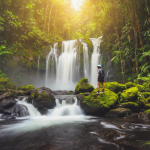
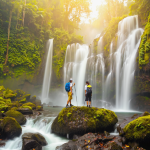
The mountains inland from Jacó, in the foothills of the Fila Costeña range, contain multiple waterfalls that are among the most spectacular natural features on the Central Pacific coast. The challenge is access. These waterfalls sit on private land, inside forested ravines, or require navigation through unmarked terrain where trails disappear and river crossings become technical after rain. Attempting to reach them independently without local knowledge is not just difficult, it’s genuinely risky. People get lost. Flash floods occur in river canyons during the green season with very little warning.
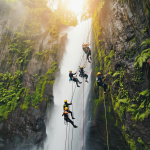
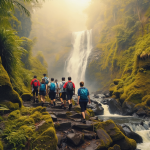
This is the category where a professional guided tour pays for itself completely. A well-operated waterfall tour from Jacó gets you to locations that are physically inaccessible without local expertise, manages the safety considerations of river terrain and jungle navigation, and delivers an experience that no amount of independent research replicates. The difference between standing at the base of a 30-meter jungle waterfall surrounded by primary forest and reading about it is not a marginal one.
Costa Rica Waterfall Tours operates exactly this kind of experience from Jacó, with guided waterfall and adventure tours that access locations the surrounding mountains keep hidden from independent travelers. Their tours are built around the expertise gap that genuinely exists between “I found a trail on a map” and “I know this canyon in every season and I’m taking you somewhere extraordinary.”
Crocodile River Tours
The free Tárcoles Bridge crocodile viewing is excellent. The river boat tours that go deep into the mangrove channels are a different experience. From the bridge, you see crocodiles on the banks below. From a boat in the channels, you’re at water level with the mangrove ecosystem, watching crocodiles from a few meters away while a guide explains the ecology of one of Costa Rica’s most complex coastal river systems. Both have value. They’re not the same thing. The bridge is free and worth doing. The boat tour is paid and worth considering if your budget allows.
Guided Birding in Carara
Carara National Park is worth visiting independently if you’re comfortable navigating forest trails and have a good field guide. But serious birders, or anyone who wants to reliably see specific species rather than hoping to stumble across them, will get dramatically more value from the park with a licensed naturalist guide. Guides know where the resplendent quetzal-adjacent species shelter in the transition zone forest, which trees the trogons favor, and where the anteaters are active. This is one of those cases where expertise directly translates to experience quality.
Practical Framework: Building a Free Jacó Itinerary
Here’s how to structure a budget-conscious Jacó trip that maximizes free experiences without feeling like you’re missing out.
Day One: Arrival and Town Orientation
Spend the first afternoon walking Boulevard Jacó from end to end. Go north first, toward the Tárcoles estuary edge. Go south to Punta Jacó. Get your bearings on the beach sections and note the tide conditions. Find the farmer’s market location for Saturday. Eat at a soda on a side street rather than the tourist-facing restaurants on the main boulevard. Budget: transportation to Jacó plus food. Beach and orientation: free.
Day Two: Wildlife Morning and Cultural Afternoon
Start at the northern beach section at 06:00–07:00 for maximum wildlife activity. Macaws, pelicans, and shorebirds are most active in the first two hours after dawn. Return to town for breakfast at a local soda. Spend the afternoon walking the side streets for street art and neighborhood character. End at the south beach for sunset. Budget: food only. All activities: free.
Day Three: Day Trip to Tárcoles Bridge and Playa Hermosa
Take an early bus or arrange a taxi to the Tárcoles Bridge for crocodile viewing (15 km north). Return to Jacó and continue south to Playa Hermosa (5 km south) for the afternoon. Watch the surf. Walk the beach. Return to Jacó for dinner. Budget: transportation (modest taxi fares or bus tickets). Both main attractions: free.
Day Four: Cerro La Cruz Hike and Saturday Market
If Day Four falls on a Saturday, start with the farmer’s market in the morning. Then tackle the Cerro La Cruz trail in the late morning before heat peaks. The views from the summit reward the effort. Spend the afternoon on the beach. Budget: market purchases (optional). Hike and beach: free.
Day Five: Invest in a Waterfall Tour
This is where the itinerary shifts from free to genuinely worth the spend. A guided waterfall tour from Jacó takes you into the mountain terrain that you’ve been looking at from the beach all week. The contrast, coastal town to primary rainforest canyon in under an hour, is one of the defining experiences of the Central Pacific region. Book through Costa Rica Waterfall Tours and let the expertise of a local operator deliver the kind of experience that no free alternative replicates.
Safety Awareness for Free Activities in Jacó
Free activities in Jacó come with real-world considerations that this guide addresses directly rather than glossing over.
Ocean Safety
Jacó Beach has rip currents. They’re not constant, but they’re real and they’ve caused drownings. The ocean is most dangerous on days with larger swell, which can arrive with little visual warning on the beach. Always swim near lifeguard stations when active. Check surf conditions before entering the water. If you’re caught in a rip current, the Costa Rican Red Cross (Cruz Roja) advises swimming parallel to shore rather than against the current. The Jacó beach information resources provide current water condition context.
Never swim at night or under the influence of alcohol. This sounds obvious and is ignored with regularity at Jacó’s beach.
Trail Safety for Cerro La Cruz and Independent Hiking
The Cerro La Cruz trail is informal and not maintained by any government body. The terrain is rocky and can be slippery when wet. Wear closed-toe shoes. Bring more water than you think you need, the hike is short but Jacó’s heat and humidity are significant. Tell someone where you’re going. Don’t attempt the trail in the dark.
For any independent hiking in the mountains beyond Cerro La Cruz, the risk profile increases substantially. Unmarked trails, river crossings, and the possibility of sudden rain-induced flooding are all real considerations. This is not paranoia, it’s the honest terrain reality of the Central Pacific mountain zone.
Wildlife Interaction Rules
Costa Rica’s Ley de Vida Silvestre (Wildlife Law) prohibits feeding, touching, or harassing native wildlife. This applies to the iguanas on the boulevard, the sloths in the trees, the crocodiles at the river, and the turtles on the beach. Maintaining respectful observation distance is both legally required and ethically correct. Disturbing nesting turtles can cause them to abandon their nest, which is an outcome that the Jacó wildlife conservation community works hard to prevent.
The Honest Budget Breakdown: What Jacó Actually Costs
| Expense Category | Budget Range (USD) | Notes |
|---|---|---|
| Budget hostel/dorm accommodation | $15–$30/night | Widely available in Jacó; lower in green season |
| Mid-range guesthouse | $40–$80/night | Good value options close to beach |
| Meal at a local soda | $4–$8 | Casado (rice, beans, protein) is the staple |
| Meal at tourist restaurant | $12–$25+ | Boulevard restaurants target tourist pricing |
| Jacó to Tárcoles (taxi) | $15–$25 each way | Negotiate beforehand; bus is much cheaper |
| Bus to San José | $3–$5 | Transportes Jacó operates regular service |
| Carara National Park entrance | ~$15/adult | International visitor rate; reserve via SINAC |
| Guided waterfall tour | Varies by operator | Includes guide, safety equipment, transport |
| All beaches and public land | $0 | Legally free under Costa Rican coastal law |
| Tárcoles Bridge wildlife viewing | $0 | Public road bridge; no fee |
Cruise Passengers: Making the Most of Shore Excursion Time
Cruise ships calling at Puntarenas, the nearest major port to Jacó, approximately 70 kilometers north via the Costanera Sur, give passengers a limited window to experience the Central Pacific coast. Jacó is reachable from Puntarenas in roughly 60–90 minutes by shuttle or taxi, which makes it a viable shore excursion destination if your ship’s schedule allows a full day ashore.
For cruise passengers with a single day in the region, spending it all on free activities is a missed opportunity. The math of transportation cost and limited time argues for investing in one organized experience that delivers concentrated value. A guided waterfall tour from Jacó achieves this: it uses local expertise to access terrain that would take days to figure out independently, packages the logistics, and delivers a complete experience within a half-day window that leaves time for beach and town exploration afterward.
If your cruise schedule gives you only 4–5 hours ashore, the Tárcoles Bridge crocodile viewing (free) combined with a Jacó beach walk (free) is a legitimate and satisfying option. If you have 6+ hours, adding a guided tour turns a day trip into a genuine adventure. Book in advance through Costa Rica Waterfall Tours’ adventure tour page, shore excursion days fill up quickly, particularly during peak cruise season (December through April).
Frequently Asked Questions About Free Things to Do in Jacó
Is Jacó Beach free to access?
Yes. All beaches in Costa Rica are legally public property within the first 200 meters of the high-tide line. No hotel, resort, or private property owner can restrict beach access. Jacó Beach is free to use for swimming, walking, sunbathing, and wildlife observation at any time.
What are the best free things to do in Jacó for families?
The southern beach section is the best family swimming area due to calmer conditions. The Saturday farmer’s market is engaging for children. Wildlife spotting, sloths in trees, iguanas on walls, pelicans on the beach, is universally popular with kids. The Tárcoles Bridge crocodile viewing is one of the most memorable family-friendly free experiences on the Pacific coast. For families, the north beach wildlife walk at dawn is also exceptional.
How do I get to the Tárcoles Bridge from Jacó for free?
You can take any northbound bus from Jacó’s main bus terminal toward San José and ask to be dropped at the Tárcoles junction (Puente Tárcoles). The bridge is a short walk from the highway junction. The bus fare is a few dollars each way. Hitching a ride is common among backpackers but not recommended as a reliable strategy. The bridge viewing itself is completely free.
Are there free hiking trails near Jacó?
Yes. The Cerro La Cruz trail behind the southern section of town is the most accessible free hike. It rises to a hilltop cross with panoramic bay views. The northern beach estuary walk is another informal free option. For more serious hiking in the mountains, the terrain becomes complex enough that guided tours become the safer and more rewarding option.
What wildlife can I see for free in Jacó?
Scarlet macaws (flying over from Carara), brown pelicans, frigate birds, herons, egrets, American crocodiles at Tárcoles Bridge (15 km north), sloths in town trees, iguanas throughout the town, white-faced capuchin monkeys in northern neighborhoods, and sea turtles on the beach at night during green season. None of these require a paid tour or park entrance fee.
When is the best time to visit Jacó for free outdoor activities?
Dry season (December through April) offers the most reliable weather for beach activities, hiking, and day trips. Green season (May through November) offers better wildlife density, turtle nesting, lush scenery, and significantly lower crowds and accommodation prices. Morning timing is essential in both seasons, the best wildlife activity and most comfortable temperatures are in the first two hours after sunrise.
Is Playa Hermosa near Jacó free to visit?
Yes. Playa Hermosa, approximately 5 kilometers south of Jacó, is a public beach with no entrance fee. It’s accessible on foot along the beach at low tide, by bicycle, or by taxi for a few dollars. The beach is famous for its powerful surf and is a Costa Rican surfing landmark.
Can I see crocodiles for free near Jacó?
Yes. The Tárcoles River bridge on Route 34, approximately 15 kilometers north of Jacó, provides free viewing of one of the densest American crocodile populations in the world. Stand on the bridge and look down, the crocodiles are typically visible below on the mudflats, particularly in morning and late afternoon. No fee, no guide required, though responsible viewing distance from the bridge rail is advised.
What should I not do for free in Jacó (where is it worth paying)?
Waterfall access in the mountains behind Jacó is where free exploration becomes inadequate. The waterfalls require navigating private land and technical terrain that is genuinely dangerous without local expertise. A guided waterfall tour is the right call here, not because of arbitrary access restrictions, but because the terrain demands it. Guided birding in Carara is also worth the cost for anyone serious about wildlife.
Are there any free events in Jacó worth attending?
The Saturday farmer’s market is a weekly free event. Surf competitions on Jacó Beach occur periodically throughout the year with no admission charge. Local festivals tied to Costa Rican national holidays (Independence Day on 15 September, for example) include free public celebrations in town. The informal beach soccer games that happen most afternoons on the central beach are genuinely entertaining to watch.
How safe are free activities in Jacó?
The main safety considerations are ocean currents (real and requiring respect), trail conditions on informal hikes (muddy and slippery when wet), and the general urban safety awareness appropriate to any beach town. Jacó has a reputation for petty theft that has improved in recent years but still warrants basic precautions, don’t leave valuables on the beach unattended, and don’t walk alone on the beach at night. Wildlife safety means maintaining distance from all animals, including the iguanas and sloths that seem approachable.
What do things to do in Jacó, Costa Rica actually cost overall?
A genuinely budget-conscious traveler can spend $35–$60 USD per day in Jacó covering accommodation, all meals at local sodas, and free activities. Adding one paid experience (a guided tour, Carara park entrance, or a boat tour) adds $30–$100 to a day’s budget depending on the activity. The core free activities, beaches, wildlife, hiking, cultural exploration, are robust enough to fill several days without spending anything beyond food and accommodation.
Key Takeaways for Budget-Conscious Jacó Travelers
- Jacó Beach is free, legally public, and divided into distinct sections with different characters, the north end offers wildlife and solitude, the central section offers surf culture, and the south end offers calmer swimming and the best sunset views.
- The Tárcoles Bridge crocodile viewing is one of the best free wildlife experiences in Central America, located 15 kilometers north of Jacó with no entrance fee.
- Cerro La Cruz is Jacó’s most overlooked free hike, rising directly above town to panoramic bay views that most tourists never find.
- Wildlife is genuinely abundant for free, scarlet macaws, sloths, iguanas, crocodiles, sea turtles, and dozens of bird species are all observable without paying for guided access.
- Dry season (December–April) is best for weather reliability; green season (May–November) is best for wildlife density, lower prices, and genuine solitude.
- Day trips to Playa Hermosa and Esterillos are free beach experiences with dramatically less crowding than central Jacó, reachable by bus or cheap taxi.
- Waterfall tours are the one category where paying is genuinely the right call. The mountain terrain behind Jacó is inaccessible and risky without expert guidance, and the experience of reaching a remote jungle waterfall is not replicable through free alternatives.
- Cruise passengers with limited time should prioritize one organized adventure tour combined with free beach and wildlife exploration rather than spending limited shore time figuring out logistics independently.
- Eating at local sodas rather than boulevard tourist restaurants cuts food costs by 50–70% while delivering more authentic Costa Rican cuisine.
- Morning timing is the single highest-leverage factor for free activities in Jacó, wildlife, trail conditions, temperatures, and crowd levels all favor the first two hours after sunrise.
Ready to Add One Unforgettable Experience to Your Jacó Itinerary?
The free activities in this guide will fill your days with genuine adventure, wildlife encounters, and coastal beauty that costs nothing beyond your time and curiosity. But if there’s one experience worth adding to the budget, one investment that no amount of free exploration replicates, it’s a guided waterfall tour into the mountains behind Jacó’s coastline.
Costa Rica Waterfall Tours takes you to locations that the jungle keeps hidden from independent travelers: multi-tiered waterfalls in primary rainforest canyons, swimming holes beneath cascades, and the kind of immersive tropical nature experience that’s the reason most people come to Costa Rica in the first place. Their tours are built on local expertise, run with a consistent five-star reputation, and designed to work for a wide range of fitness levels and group configurations.
Explore the full range of adventure tours from Jacó at Costa Rica Waterfall Tours and add the one experience that transforms a great Jacó trip into an unforgettable one.
About the author
Costa Rica Waterfall Tours Editorial Team · Editorial Team
Book Your Guided Waterfall Adventure