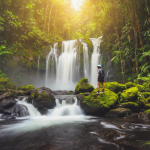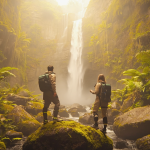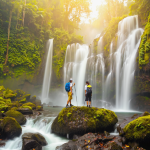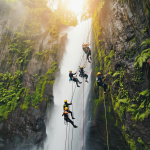
Most travel guides will tell you Jacó is a year-round destination and leave it at that. That’s technically true, but it’s also incomplete in ways that can genuinely affect your experience. The difference between arriving during peak dry season and stepping off a bus in the middle of green season isn’t just a question of whether you’ll need a rain jacket. It determines which waterfalls are running at full force, how the jungle looks and sounds, what wildlife is active, how crowded the trails are, and how much you’ll pay for everything from accommodation to tour packages. For adventure travelers, those differences are significant.
This guide breaks down each season in Jacó with the kind of practical, on-the-ground detail that actually helps you plan. Whether you’re coming for waterfall trekking in Costa Rica, surfing, wildlife watching, or a mix of everything the Central Pacific coast offers, you’ll leave this guide knowing exactly when to book and why.
Understanding Jacó’s Two Seasons Before You Plan Anything
Jacó operates on Costa Rica’s classic two-season calendar: a dry season (locally called verano, running December through April) and a rainy or green season (called invierno, running May through November). These aren’t subtle shifts in weather. They represent genuinely different versions of the same destination, each with distinct advantages and trade-offs for adventure travelers.
The Dry Season (December–April)
During dry season, Jacó gets clear mornings, consistent sunshine, and little to no rainfall for days or even weeks at a stretch. Humidity drops noticeably compared to the rest of the year. Trails are firmer underfoot, river levels are lower, and the overall experience of being outdoors is more predictable. This is the season that most international tourists default to, particularly travelers flying in from North America during winter months looking for warmth and sun.
The trade-off is that lower rainfall means reduced water flow at waterfalls. Some smaller cascades in the Central Pacific region run at a fraction of their green-season volume. The jungle also looks different: drier, with more visible brown vegetation in exposed areas, and fewer of the deep emerald tones that Costa Rica’s rainforest is famous for. Wildlife is active but often concentrated near water sources, which can actually make certain sightings easier if you know where to look.
The Green Season (May–November)
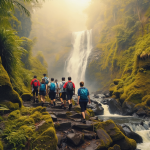
Green season is when the Central Pacific coast comes alive in the most literal sense. Rainfall, typically arriving in afternoon showers rather than all-day downpours, transforms the landscape almost overnight. Waterfalls that trickle in April are thundering by June. The jungle canopy fills in completely. Rivers run strong and cold. The air carries that particular smell of wet earth and tropical vegetation that travelers from temperate climates find instantly memorable.
The misconception about green season is that it’s a wash-out. In reality, mornings in Jacó during the rainy season are often clear and perfectly suitable for outdoor activity. Rainfall typically peaks in the afternoon and evening, which means a well-planned morning tour of a waterfall or jungle trail can proceed in excellent conditions. The key is booking with an operator who understands how to structure tours around the weather window, something that experienced guides in the region do as a matter of course.
Step 1: Define What “Best” Actually Means for Your Trip
Before looking at a calendar, it’s worth being honest about what you actually want from a Jacó adventure. The best time to visit Jacó depends almost entirely on your priorities, and those vary considerably between different types of travelers.
Use this framework to identify your trip profile before reading the season-by-season breakdown:
| Priority | Best Season | Notes |
|---|---|---|
| Maximum waterfall volume and drama | June–October | Peak rainy season delivers the most powerful cascades |
| Reliable daily sunshine and trail conditions | January–March | Core dry season; lowest rainfall probability |
| Best value on tours and accommodation | May–June, October–November | Shoulder periods with green-season pricing but manageable weather |
| Fewest crowds on trails and beaches | September–October | Lowest tourist volume; some operators reduce schedules |
| Wildlife photography (nesting sea turtles) | July–October | Olive ridley turtle nesting season on Pacific beaches |
| Family travel with predictable logistics | December–April | Easiest planning window, widest tour availability |
| Cruise shore excursion (Puntarenas port) | December–April | Most cruise itineraries align with dry season port calls |
| Surfing (best wave consistency) | May–October | Southern swells produce Jacó’s best surf during green season |
Once you’ve identified your top one or two priorities, the right window becomes much easier to pinpoint. The sections below give you a detailed breakdown of what each part of the year actually delivers.
Step 2: Know the Dry Season Month by Month
Dry season in Jacó runs from December through April, but it’s not a monolithic block. Each month within that window has its own rhythm, and knowing those differences helps you choose the specific weeks that match your goals.
December: Holiday Energy, Rising Prices
December is when Jacó transforms from a laid-back Pacific beach town into one of Costa Rica’s most energetic destinations. The combination of international holiday travelers and Costa Ricans on vacation creates a lively, at times rowdy, atmosphere particularly around the main strip. Weather is excellent: dry, warm (typically 28–32°C during the day), and reliably clear in the mornings. Waterfall trekking conditions are good, though water levels are lower than they’ll be in six months.
The practical issue with December is pricing and availability. Accommodation costs rise sharply, particularly between December 20 and January 2. Tour bookings fill quickly. If you’re planning a December visit for waterfall trekking in Costa Rica, book at least 6–8 weeks in advance. The crowds also mean that popular trails and viewpoints are busier, which matters if you’re a travel photographer looking for clean compositions without other tourists in frame.
January and February: The Sweet Spot of Dry Season
January and February represent what many experienced Costa Rica visitors consider the optimal dry season window. The holiday rush has cleared, the weather is at its most reliably dry, and the infrastructure is running smoothly. Temperatures hover around 27–31°C on the coast. Mornings are crisp enough to make an early jungle hike genuinely pleasant rather than sweaty from the first step.
For central Pacific Costa Rica tours, this is the highest-demand period after the December holidays, so you’re still looking at premium pricing and advance booking requirements. But the experience on the ground is superior to December: trails are less crowded, guides have more time and attention for individual groups, and the overall pace of the destination is more manageable. Waterfall tours operate at full capacity with reliable conditions.
March and April: Transition Toward Green Season
March and April are peak dry season in terms of sunshine hours, but they come with a catch: these are often the hottest and most humid months before the rains arrive. Midday temperatures can push above 34°C in Jacó, making afternoon outdoor activities genuinely uncomfortable. Smart planning during this period means scheduling any trekking or waterfall excursions early in the day (departing by 7:00–8:00 AM), which most good tour operators will already recommend.
April often sees the first afternoon thunderstorms of the season, particularly in the second half of the month. These are brief and dramatic, not the sustained rainfall of deep green season, and they often signal that the landscape is starting to green up again. Pricing begins to soften slightly compared to peak months, and trail congestion eases. For adventurers willing to start early and manage heat, March and early April can offer good value with excellent conditions.
Step 3: Understand What Green Season Actually Delivers
Green season is where the most interesting conversations about Jacó happen, because travelers who’ve experienced it often become its most enthusiastic advocates. The popular image of rainy season as a period to avoid doesn’t match the reality on the Central Pacific coast.
May and June: The Transformation Begins
By mid-May, the landscape around Jacó begins its annual renewal. Waterfalls that were modest during dry season start building in volume. The vegetation, which had begun looking dry and brown at the edges in April, shifts rapidly to the saturated greens that define Costa Rica’s iconic look. Humidity rises, and rainfall arrives most days, typically in the afternoon or evening.
For adventure travel in Costa Rica, May and June offer a genuinely compelling window. Tour pricing drops from peak dry-season rates. Crowds thin out significantly, particularly mid-week. Morning conditions are often excellent, with clear skies giving way to clouds by midday and rain arriving in the afternoon. A guided waterfall tour that departs at 7:00 AM can complete a full circuit in perfect conditions well before any rain arrives.
The practical consideration for this period is trail conditions. Some forest trails become slippery after rain, and river crossings require more attention. This is exactly why booking with an experienced, safety-conscious operator matters more in green season than in dry season. Guides who know the terrain can navigate wet conditions safely and efficiently, while inexperienced or independent hikers face more meaningful risks.
July and August: Peak Green Season
July and August are when Costa Rica’s Central Pacific coast is at its most dramatically beautiful and its most technically challenging for outdoor activity. Waterfalls are at or near peak volume. The jungle is an intense, vivid green that feels almost theatrical. Rivers run high and fast. Rainfall is heavier and more frequent than in May or June.
For photographers, this is the payoff window. Waterfall photography during this period yields images that look like something from a nature documentary: full curtains of water, mist rising from the plunge pool, every surface covered in moss and fern. The light, filtered through cloud cover, is naturally diffuse and forgiving, often producing better results than the harsh midday sun of dry season.
Wildlife activity during this period is also notable. Sea turtle nesting on Pacific beaches south of Jacó peaks in July and August. Frogs and amphibians are at their most visible and vocal. Birding is excellent, with both resident and migratory species active. Costa Rica’s SINAC national conservation system maintains protected corridors throughout the Central Pacific that support this biodiversity, and green season is when those ecosystems are most visibly alive.
The honest caveat for July and August: not every planned outdoor activity will proceed exactly as scheduled. An experienced operator will have contingency plans, route adjustments, and the flexibility to adapt when conditions change. This is normal and manageable. What it means for travelers is that green season requires slightly more flexibility and trust in your guide, not avoidance.
September and October: The Quietest Weeks of the Year
September and October are the quietest months in Jacó. These weeks sit at the statistical heart of rainy season, with the highest accumulated rainfall of the year and the lowest tourist volume. Some smaller operators reduce their schedules. Certain accommodation properties close for maintenance or renovation. The beach town feels genuinely local during these weeks in a way it doesn’t at any other time of year.
For a specific type of traveler, this is actually appealing. Solo adventurers, travelers who genuinely enjoy the atmosphere of a place without the tourist layer, and anyone who wants to experience Costa Rica without the usual logistics overhead will find September and October unexpectedly rewarding. Prices are at their lowest. Popular spots are uncrowded. Interactions with locals feel more natural.
For waterfall trekking, September and October can be spectacular in terms of volume and drama, but some trails may be closed or restricted depending on recent rainfall. Checking with your tour operator about current trail conditions in the week before your visit is more important during these months than at any other time of year.
November: The Bridge Back to Dry Season
November is a transitional month that often surprises travelers. Rainfall begins tapering off in the second half of the month, and by late November Jacó starts feeling more like its dry-season self. Waterfall volume is still excellent, the landscape is still lush from months of rain, and the tourist infrastructure is ramping back up without yet hitting peak-season prices or crowds. Advance bookings for December begin filling tour calendars, but November itself remains relatively accessible.
For travelers with flexibility, late November represents one of the more underrated windows of the year: strong waterfall conditions, good weather in the mornings, green jungle, and pricing that hasn’t yet climbed to peak rates. It’s a window that rewards travelers who have done their research rather than defaulting to the obvious peak-season dates.
Step 4: Match Your Tour Type to the Season
Not all adventure activities in Jacó respond to seasonal change in the same way. Understanding how specific tour types perform across the year helps you build an itinerary that makes sense rather than one that fights the conditions.
Waterfall Tours: When Each Season Delivers
Costa Rica waterfall tours are the signature offering of the Central Pacific region, and seasonal timing affects them more than almost any other activity. The key variable is water volume, which is directly tied to rainfall accumulation over the preceding weeks.
During dry season (December–April), waterfalls run at lower volume but remain accessible and beautiful, particularly the larger cascades that maintain flow year-round. The swimming conditions at plunge pools are often calmer and safer for families and casual swimmers. Trail conditions are firm and predictable. For travelers who want a waterfall experience without technical difficulty, dry season delivers reliably.
During green season (May–November), waterfall volume builds progressively, peaking in September and October. The visual drama of a full-flow cascade is genuinely different from the dry-season version: more powerful, louder, producing more mist. For travelers who want the full cinematic experience of Costa Rica’s waterfalls, green season is the answer. The trade-off is that swimming in plunge pools during peak flow requires more caution and the guidance of someone who knows the specific conditions of that waterfall on that day.
Jungle and Forest Trekking
Forest trekking around Jacó is possible year-round, but the experience changes meaningfully with the seasons. Dry season offers firmer trails, easier navigation, and less chance of an unplanned soaking. Green season offers a richer, more immersive jungle environment with more wildlife activity, more vivid vegetation, and more memorable encounters with the landscape. The trade-off is that wet trails require better footwear and more caution on steep sections.
Good waterproof hiking boots are a genuine year-round recommendation for Central Pacific trails, not just a green-season precaution. The terrain near Jacó includes river crossings, root-covered forest floors, and steep volcanic rock sections that benefit from proper footwear regardless of season.
Ocean and Coastal Activities
Jacó’s surf is famous, and surfing conditions actually improve during green season when southern swells produce consistent, quality waves. Fishing charters operate year-round, with seasonal species variation: dry season brings sailfish and marlin closer to shore, while green season produces excellent tuna and dorado fishing. Snorkeling visibility is generally better during dry season when river runoff is lower.
Wildlife and Birding Excursions
The Central Pacific coast’s wildlife calendar has its own logic that doesn’t align neatly with the tourist high season. Scarlet macaws, a flagship species of the region, are resident year-round but are most visible and active during dry season when they’re nesting and more predictably present in their preferred forest areas. Sea turtle nesting, by contrast, peaks during green season. Crocodile tours on the Río Tárcoles (a short drive north of Jacó) are possible year-round, as the crocodile population is consistently visible from the famous bridge.
Step 5: Navigate Jacó’s Logistics Across the Seasons
Practical logistics, getting there, getting around, and managing costs, change substantially between seasons. Understanding these variables before you book prevents the kind of surprises that derail trips.
Getting to Jacó from San José
Jacó is approximately 100 km southwest of San José, a drive of roughly 1.5–2.5 hours depending on traffic and the route taken via the Costanera Sur highway. This connection is paved and well-maintained year-round. Shuttle services from San José, La Fortuna, and Manuel Antonio operate on regular schedules, and the road itself is not significantly affected by seasonal rainfall the way some routes to more remote destinations are.
Travelers arriving via Juan Santamaría International Airport in Alajuela (the main international gateway) can reach Jacó in approximately 2 hours by private transfer or shuttle. For cruise passengers arriving at the port of Puntarenas, Jacó is roughly 75 km south, a drive of about 1.5 hours along the coast road. Shore excursion operators familiar with cruise schedules can typically complete a waterfall tour and return passengers to the port within a standard 6–8 hour shore excursion window.
Accommodation Pricing by Season
| Period | Season Classification | Relative Pricing | Advance Booking Needed |
|---|---|---|---|
| Dec 20 – Jan 2 | Peak holiday | Highest of the year | 8–12 weeks minimum |
| Jan – April | High dry season | Premium | 4–6 weeks recommended |
| May – June | Early green season | Moderate (15–25% below peak) | 1–2 weeks often sufficient |
| July – August | Mid green season | Moderate | 1–2 weeks, some surge pricing |
| Sept – Oct | Deep green season | Lowest of the year | Flexible, often last-minute OK |
| November | Late green season | Low to moderate | 1–2 weeks usually fine |
| Dec 1–19 | Pre-holiday shoulder | Rising toward peak | 3–4 weeks recommended |
What to Pack by Season
Packing for Jacó is straightforward once you accept that the Central Pacific is warm and humid regardless of season. The variables are rain protection and footwear rather than temperature layering.
For dry season visits, lightweight breathable clothing, good sunscreen, a hat, and solid closed-toe shoes or hiking sandals for waterfall tours cover most situations. For green season visits, add a quality packable rain jacket (not just a poncho), waterproof trail shoes or boots, and quick-dry clothing in every layer. A dry bag or waterproof phone case is useful year-round but essential in green season if you’re trekking near waterfalls.
Step 6: Book Your Waterfall Tour at the Right Time
Knowing when to visit is only half the equation. Booking your waterfall tour correctly, choosing the right operator, the right tour, and the right time slot, determines whether your investment in travel time and money actually delivers the experience you’re imagining.
Why Tour Operator Selection Matters More in Jacó Than in Many Destinations
Jacó’s adventure tourism market has grown substantially over the past decade, and not all operators in the market have equal experience, safety standards, or local knowledge. The Central Pacific region’s waterfall tours involve river crossings, steep terrain, and conditions that vary with seasonal rainfall. The difference between a guided tour with an operator who knows exactly how a specific waterfall behaves after a week of heavy rain versus one who is following a fixed route regardless of conditions can be meaningful for both safety and experience quality.
When evaluating operators, look for: demonstrated knowledge of the specific sites they visit (not just generic descriptions), clear safety protocols, appropriate group sizes, guide-to-guest ratios, and verifiable reviews from travelers who match your profile. Costa Rica’s Instituto Costarricense de Turismo (ICT) maintains a registry of licensed tourism operators, which provides a baseline check on formal certification.
Costa Rica Waterfall Tours operates out of Jacó with deep local expertise in the Central Pacific’s waterfall locations and trail systems. Their tours are designed with both safety and immersive experience as primary considerations, and they operate across both seasons with appropriate adaptations for conditions. You can view current tour offerings and book directly at costaricawaterfalltours.com/adventure-tours.
Morning Tours vs. Afternoon Tours: A Seasonal Decision
In dry season, both morning and afternoon tours are generally viable, though morning tours are almost always preferable for comfort reasons given the afternoon heat. In green season, morning tours are strongly preferred. The typical rainfall pattern during green season delivers clear-to-partly-cloudy mornings followed by afternoon showers. A waterfall tour that departs at 7:00 AM and returns by noon has an excellent chance of operating in dry conditions even on days when the afternoon brings significant rainfall.
This is not a minor logistical detail. It’s one of the most important practical tips for green-season adventure travel in Costa Rica, and it’s the kind of knowledge that distinguishes travelers who’ve done their research from those who book without context.
Group Size and Tour Timing
Smaller guided groups tend to have more flexibility to adapt to changing conditions, take alternative routes, and spend more time at specific viewpoints. During dry season, when tours are busiest, asking about group size limits is worth doing. During green season, group sizes naturally reduce with lower overall visitor volume, often producing a better per-person experience even if the conditions are more variable.
Step 7: Prepare for the Specific Conditions You’ll Encounter
Preparation is what separates travelers who have great adventures from those who have frustrating ones in the same destination. The Central Pacific coast has specific conditions that reward preparation and punish assumptions.
Sun Safety on the Pacific Coast
The UV index in coastal Costa Rica is consistently high, even on overcast days during green season. Cloud cover does not meaningfully reduce UV exposure in the tropics. Sunscreen with SPF 50+ is a practical necessity, not an abundance of caution. Reef-safe formulations are worth seeking out given Costa Rica’s commitment to marine ecosystem protection and the proximity of tour sites to natural waterways.
Hydration and Heat Management
Waterfall trekking in the Central Pacific involves exertion in high heat and humidity. Dehydration is a genuine risk even on relatively short trails. Carrying at least 1.5–2 liters of water per person for a half-day trek is a reasonable baseline, with more needed in the March–April heat peak. Electrolyte supplements are useful for anyone doing more than a casual walk, particularly in higher humidity periods.
Footwear for Waterfall Trails
This point bears specific emphasis because it’s one of the most common mistakes made by first-time visitors to Costa Rica’s waterfall sites. Flip flops and casual sandals are genuinely unsuitable for most waterfall trails near Jacó. The terrain involves wet rocks, root networks, river crossings, and steep sections. Closed-toe shoes with grip, ideally waterproof trail shoes or lightweight hiking boots, are the appropriate choice. Most reputable operators will state footwear requirements clearly when you book, and some will have rental options available.
River Safety in Green Season
River levels and currents change rapidly after rainfall in the Central Pacific watershed. A river crossing that was knee-deep in the morning can be thigh-deep and faster-moving by afternoon after upstream rain. Experienced guides assess these conditions in real time. As a traveler, the right behavior is to follow guide instructions on river crossings without exception, regardless of whether the crossing looks manageable from your own assessment. The guides’ familiarity with that specific river’s behavior in specific conditions is the relevant variable, not the apparent depth at the crossing point.
The CST Certification and What It Means for Your Tour Choice
Costa Rica’s Certificación para la Sostenibilidad Turística (CST) is a voluntary certification program managed by the ICT that evaluates tourism operations across four parameters: physical-biological management, infrastructure management, service management, and socioeconomic management. Operators who hold CST certification have undergone formal evaluation of their environmental and social practices, not just their safety records.
For ecotourism-minded travelers, CST certification provides a meaningful signal about an operator’s commitment to responsible tourism. Costa Rica’s conservation framework, including the SINAC protected area system that covers more than 25% of national territory, depends in part on tourism operators who actively support rather than degrade the ecosystems their tours depend on. Choosing operators who align with these principles is a practical expression of ecotourism values, not just a philosophical preference.
When evaluating tour operators for central Pacific Costa Rica tours, asking about CST status or equivalent environmental commitments is a reasonable question that good operators will be able to answer directly.
Frequently Asked Questions About Visiting Jacó
Is Jacó safe for tourists?
Jacó is a popular and well-visited destination with the usual considerations that apply to any beach town. The main tourist areas are active and generally safe during daylight hours. Standard urban precautions apply: don’t leave valuables visible in vehicles, be aware of your surroundings at night, and stick to well-lit areas after dark. For outdoor adventure activities, booking with a licensed operator with verifiable safety protocols is the most important safety measure you can take.
Can I visit waterfalls near Jacó year-round?
Yes. The primary waterfall sites accessible from Jacó operate year-round. Seasonal variation affects water volume and trail conditions rather than access. During dry season, waterfalls are accessible but running at lower volume. During green season, they’re running at higher volume with more dramatic visual impact but potentially more challenging trail conditions. A reputable operator will advise you on current conditions when you book.
How far are the waterfalls from Jacó?
The waterfall sites most commonly visited on tours from Jacó are typically within 30–60 minutes by vehicle, depending on the specific location. The Central Pacific region has multiple waterfall systems at varying distances and altitudes. Your tour operator will handle transportation to and from the trailhead, so the exact distance is less relevant than the total tour duration, which typically runs 4–8 hours for a full guided experience.
What is the best month to visit Jacó for the first time?
January and February are the most straightforward recommendation for first-time visitors. Weather is reliably dry, all tours are operating at full capacity, and the overall logistics of navigating a new destination are simpler without green-season variables. For returning visitors or adventure travelers comfortable with variable conditions, the early green season (May–June) or late green season (November) offer excellent experiences with fewer crowds and lower pricing.
Do tours operate in the rain?
Experienced operators in Jacó are accustomed to green-season conditions and schedule tours around typical rainfall patterns. Most guided waterfall tours depart early in the morning specifically to take advantage of the drier morning window. Light rain during a waterfall tour is common and generally not a reason to cancel, as participants are already likely to get wet during waterfall portions of the tour. Heavy rain or safety-relevant weather events are assessed by guides in real time, and reputable operators have clear policies on what constitutes a cancellation versus a normal wet-weather tour.
How do I get from the Puntarenas cruise port to Jacó?
The Puntarenas port is approximately 75 km north of Jacó via the Costanera Sur highway. The drive takes roughly 1.5 hours in normal traffic. Shore excursion operators who work regularly with cruise passengers typically handle port pickup and return, timing the itinerary to ensure passengers return with buffer time before ship departure. Always confirm pickup and return logistics explicitly when booking a shore excursion.
Is green season (rainy season) actually good for waterfall tours?
For many adventure travelers, green season is the better season for waterfall tours. The increased water volume produces more dramatic cascades, the jungle is at its most visually impressive, and the lower tourist volume means a more personal experience with less trail congestion. The requirement is flexibility with morning scheduling and trust in your guide’s condition assessments. Travelers who plan accordingly consistently report that green season waterfall experiences exceed their expectations.
What should I wear for a waterfall tour from Jacó?
Quick-dry clothing (avoid cotton, which stays wet and heavy), a swimsuit underneath for waterfall swimming, closed-toe shoes with grip (waterproof preferred), sunscreen, a hat, and a small dry bag for electronics and valuables. A packable rain jacket is recommended in green season. Your operator will provide a specific packing list when you confirm your booking, and that list should be taken seriously rather than treated as suggestions.
Are Jacó’s adventure tours suitable for families with children?
Many waterfall tours from Jacó are designed to accommodate families with children of varying ages and fitness levels. The key is selecting the right tour tier. Most operators offer options ranging from moderate family-friendly hikes to more challenging trekking experiences for adults and older teenagers. When booking with children, specify ages and fitness levels so the operator can recommend the appropriate option. Waterfall swimming areas are generally calm enough for supervised children during dry season; green-season swimming conditions require more assessment on a site-specific basis.
What currency do I need in Jacó?
USD is widely accepted throughout Jacó’s tourist-facing businesses, including hotels, restaurants, tour operators, and souvenir shops. The local currency is the Costa Rican colón (₡/CRC), and ATMs dispensing colones are available throughout the town. For smaller local establishments and market purchases, colones are preferred. Tour operators typically price and accept payment in USD.
How does Jacó compare to Manuel Antonio for adventure tours?
Jacó and Manuel Antonio, roughly 70 km apart on the Central Pacific coast, cater to somewhat different traveler profiles. Manuel Antonio is centered around its famous national park, with wildlife watching and beach relaxation as primary draws. Jacó has a more active, adventure-oriented energy with stronger surf culture, more nightlife, and a wider range of adventure tour types. For waterfall trekking and adventure-focused itineraries, Jacó’s central location provides access to multiple tour sites that Manuel Antonio visitors would need to travel further to reach.
Do I need travel insurance for adventure tours in Costa Rica?
Travel insurance with adventure activity coverage is strongly recommended for any waterfall trekking or outdoor adventure activity in Costa Rica. Standard travel insurance policies often exclude adventure activities by default. Look for policies that explicitly cover guided trekking, waterfall tours, and outdoor adventure activities, and verify that medical evacuation coverage is included. The Instituto Nacional de Seguros (INS) provides Costa Rica’s public insurance framework, but visitor coverage typically comes from international travel insurance policies purchased before departure.
Key Takeaways for Planning Your Jacó Adventure
- The best time to visit Jacó depends on your priorities. Dry season (December–April) delivers predictable conditions and full infrastructure. Green season (May–November) delivers fuller waterfalls, lush jungle, lower prices, and fewer crowds.
- January and February are the optimal dry-season window for first-time visitors who want reliable weather without holiday-peak pricing or congestion.
- Early green season (May–June) and late green season (November) are the most underrated periods for experienced travelers: waterfall volume is building or sustained, prices are lower, and morning conditions are often excellent.
- Morning tour scheduling is the single most important logistical adjustment for green-season visitors. Departing by 7:00–8:00 AM allows most waterfall tours to complete in dry or partly-cloudy conditions.
- Waterfall volume peaks in September–October, with the most dramatic cascades of the year, but this period also has the highest rainfall and lowest operator availability.
- Cruise passengers from Puntarenas can reach Jacó in approximately 1.5 hours and complete a full waterfall tour within a standard shore excursion window.
- Choosing an experienced, safety-focused operator matters more for green-season tours than dry-season tours, given the more variable conditions.
- Proper footwear is non-negotiable. Closed-toe shoes with grip are required for virtually all waterfall trail systems accessible from Jacó.
Whatever month you choose, Jacó delivers an adventure experience that few destinations on the Central Pacific coast can match. The key is arriving prepared, booking with people who know the terrain, and staying flexible enough to let the conditions guide the specifics of your day.
Ready to book your waterfall tour? Explore current tour options from Costa Rica Waterfall Tours and find the right experience for your Jacó adventure.
About the author
Costa Rica Waterfall Tours Editorial Team · Editorial Team
Book Your Guided Waterfall Adventure